US-Iran Tensions Escalate: Trump Sets 48-Hour Deadline for Strait of Hormuz Reopening
In a significant escalation of tensions between the United States and Iran, President Donald Trump has issued a 48-hour ultimatum to Tehran, demanding the reopening of the strategically crucial Strait of Hormuz. The President warned that if the waterway is not reopened within the specified timeframe, the US will take drastic action, targeting Iran’s power plants. This development comes amid heightened tensions in the region, with the potential for conflict drawing closer.
The Strait of Hormuz is a critical shipping lane, with a significant proportion of the world’s oil passing through it. Its closure would have far-reaching implications for global energy markets and the economy. The US has been actively engaged in diplomatic efforts to maintain the stability of the region, but the latest threat from President Trump suggests a more aggressive approach may be on the horizon.
As the US waits for Iran’s response, the region remains on high alert, with the Israeli military reporting potential incoming missile fire from Iran. On Sunday, blasts were heard in Jerusalem, although the source and severity of the explosions have not been officially confirmed. The Israeli military had issued warnings of possible missile attacks from Iran, targeting central Israel.
The latest developments have raised concerns about the potential for a wider conflict in the region. The US and its allies have been working to maintain a delicate balance of power, but the situation remains volatile. As the 48-hour deadline draws to a close, the world watches with bated breath, waiting to see how Iran will respond to President Trump’s ultimatum.
The consequences of a failure to reopen the Strait of Hormuz would be severe, with the potential for widespread economic disruption and humanitarian crises. The international community is urging restraint and diplomatic engagement to resolve the crisis peacefully. As the situation continues to unfold, one thing is clear: the next 48 hours will be critical in determining the course of events in the region.
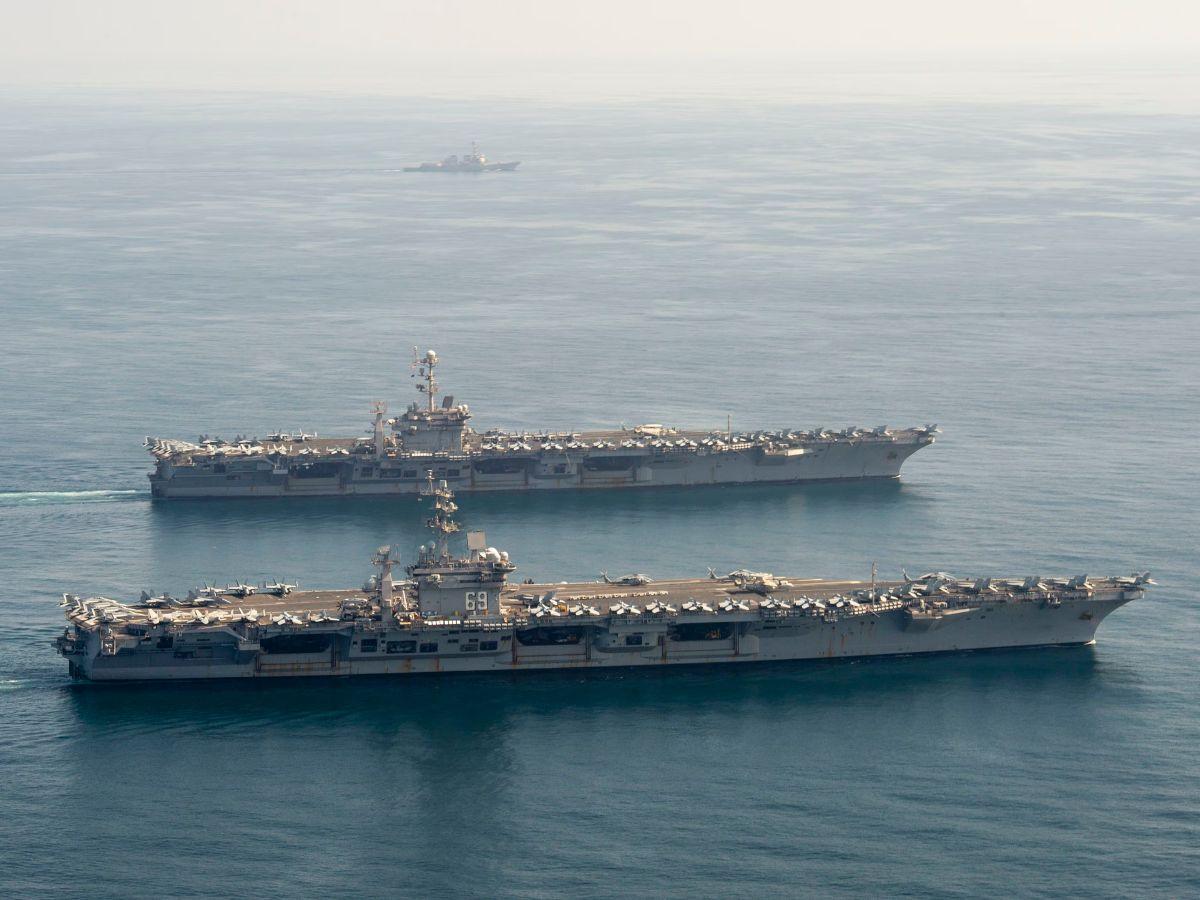
The US military has been deployed in the region, with a significant presence in the Persian Gulf. The US Navy’s Fifth Fleet is headquartered in Bahrain, and the US has a number of military bases in the region. The US has also been working closely with its allies, including Israel, to maintain stability and security in the face of growing tensions with Iran.
As the deadline draws near, the world waits with anticipation to see how the situation will unfold. The US and Iran have been engaged in a war of words, with each side accusing the other of aggression and provocation. The international community is calling for calm and restraint, but the prospect of conflict remains a very real possibility.
This article may be prepared with the assistance of artificial intelligence (AI) and is reviewed before publication. While we aim for accuracy and timeliness, readers should verify important facts from official or primary sources. If you believe any information is inaccurate or that any content infringes your rights, please contact ainewsbreaking.com for review and appropriate action.