US–Iran Tensions Escalate Amid Conflicting Signals on Talks: Diplomacy Advances but Trust Deficit Deepens
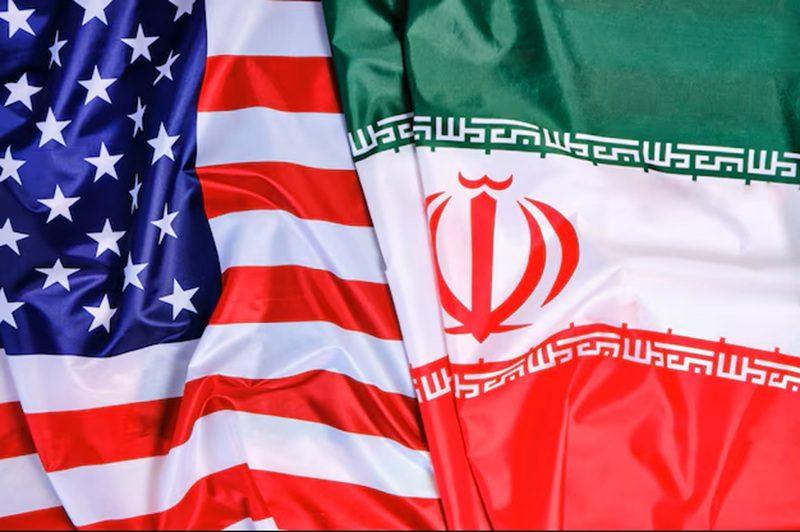
Geopolitical tensions between the United States and Iran remain highly volatile, as conflicting narratives from both sides create uncertainty over the future of diplomatic engagement. While Washington has projected optimism about ongoing talks, Tehran has repeatedly denied direct negotiations, exposing a deep trust deficit that continues to complicate efforts to avoid further escalation.
Conflicting Claims Over Diplomatic Talks
At the center of the current situation are sharply contradictory statements regarding negotiations.
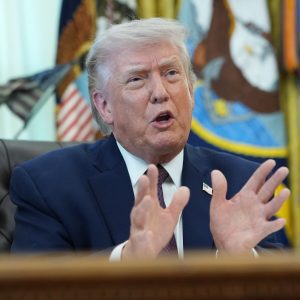
Donald Trump has claimed that U.S. officials are engaged in productive discussions with Iranian counterparts, even suggesting that progress has been made on key issues.
However, Iranian officials have firmly rejected these claims. Tehran insists that no formal talks have taken place during the ongoing conflict, although it acknowledges receiving indirect messages through intermediaries.
This divergence in narratives highlights the fragile and opaque nature of current diplomatic efforts.
Backchannel Diplomacy and Regional Mediation
Despite public denials, indirect communication channels appear to remain active.
Countries such as Turkey, Egypt, and Pakistan are reportedly playing key roles in facilitating backchannel dialogue between Washington and Tehran.
Historically, mediation by regional actors and neutral countries has been crucial in keeping diplomatic channels open during periods of heightened tension. Earlier efforts, including Oman-mediated talks, had shown tentative progress but were overshadowed by simultaneous military build-ups.
This dual-track approach—diplomacy alongside military posturing—continues to define the current phase of the crisis.
Military Pressure Continues Despite Diplomatic Signals
Even as diplomatic signals emerge, both sides are maintaining strong military readiness.
The United States has deployed significant naval and air assets in the region, while Iran continues missile drills and strategic positioning near critical waterways such as the Strait of Hormuz.
This reflects a broader strategy where diplomacy is pursued without reducing military leverage—raising the risk of miscalculation.
Strategic Messaging and Market Impact
Analysts suggest that public statements about diplomacy may also serve strategic purposes beyond negotiation.
Trump’s claims of “very good talks” coincided with efforts to stabilize global markets, particularly oil and energy sectors rattled by the conflict.
Indeed, even hints of de-escalation have triggered:
- Stock market rallies
- Sharp declines in oil prices
- Reduced volatility in financial markets
However, these reactions tend to be short-lived, as uncertainty persists.
Why Mixed Signals Matter
The contradictory messaging from both sides has significant implications:
1. Erosion of Trust
Public denials and conflicting claims reduce confidence in the negotiation process, making it harder to reach agreements.
2. Increased Market Volatility
Financial markets react strongly to headlines, leading to rapid swings based on perceived progress or setbacks.
3. Risk of Escalation
Without clear communication, misunderstandings could trigger unintended military actions.
Diplomacy vs. Escalation: A Narrow Window
Despite the confusion, there are indications that both sides are still open to a diplomatic resolution.
Iranian officials have previously suggested that a deal is possible if mutual conditions are met, including sanctions relief and respect for its nuclear program.
Similarly, the United States continues to emphasize diplomacy as a preferred path, even while maintaining pressure.
However, the window for successful negotiations appears narrow, with each side unwilling to compromise on core demands.
Key Challenges Ahead
Several major obstacles stand in the way of a breakthrough:
- Sanctions relief vs. nuclear restrictions
- Verification mechanisms and compliance
- Regional security concerns involving allies
- Domestic political pressures in both countries
These unresolved issues have historically stalled negotiations and continue to do so today.
Global Implications
The outcome of US–Iran tensions has far-reaching consequences beyond the Middle East.
- Energy markets: Disruptions impact global oil supply and prices
- Trade routes: Instability in the Strait of Hormuz affects global shipping
- Geopolitics: Regional alliances and rivalries are reshaped
Countries worldwide are closely monitoring developments, given the potential for widespread economic and security impacts.
This article may be prepared with the assistance of artificial intelligence (AI) and is reviewed before publication. While we aim for accuracy and timeliness, readers should verify important facts from official or primary sources. If you believe any information is inaccurate or that any content infringes your rights, please contact ainewsbreaking.com for review and appropriate action.