US Lawmaker Greg Landsman Moves Resolution to Declare 1971 Pakistan Atrocities Against Bengali Hindus as ‘Genocide’
US Politician Seeks Recognition of 1971 Atrocities as Genocide
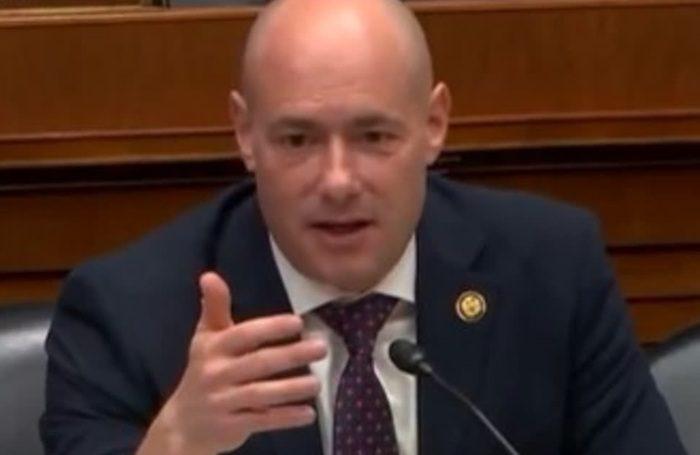
In a significant development with historical and geopolitical implications, US Congressman Greg Landsman has introduced a resolution in the US House of Representatives seeking formal recognition of the atrocities committed during the 1971 Bangladesh Liberation War as “genocide,” specifically highlighting the targeted violence against Bengali Hindus.
The resolution, moved on Friday, has been referred to the House Committee on Foreign Affairs for further review and consideration. If adopted, it would mark a major step in officially acknowledging one of the most brutal chapters in South Asian history.
Background: The 1971 Bangladesh Liberation War
The events in question date back to 1971, during the Bangladesh Liberation War, when East Pakistan (now Bangladesh) fought for independence from West Pakistan. The conflict saw widespread violence, mass killings, and displacement of millions.
Numerous historians, human rights organizations, and eyewitness accounts have documented systematic atrocities carried out by the Pakistani military, including targeted killings of intellectuals, students, and particularly members of the Hindu minority community.
It is widely estimated that hundreds of thousands, if not millions, of people were killed during the conflict, while millions more were displaced, many seeking refuge in neighboring India.
Focus on Bengali Hindus
Congressman Landsman’s resolution places a specific emphasis on the persecution of Bengali Hindus, who were allegedly singled out during the violence. Reports from that period indicate that Hindu communities were disproportionately targeted, with mass killings, sexual violence, and forced displacement being widely reported.
The resolution argues that these actions meet the legal definition of genocide under international law, which includes acts committed with the intent to destroy, in whole or in part, a national, ethnic, racial, or religious group.
Why This Resolution Matters
If passed, the resolution would not only serve as a symbolic acknowledgment but could also reshape international discourse around the 1971 events. While many scholars and activists have long described the atrocities as genocide, official recognition by a major global power like the United States would carry significant weight.
Such recognition could:
- Strengthen calls for historical accountability
- Encourage further academic and legal examination
- Influence how the events are taught and remembered globally
- Impact diplomatic narratives involving South Asia
Political and Diplomatic Implications
The move could have diplomatic ramifications, particularly in relation to Pakistan, which has historically denied allegations of genocide during the 1971 conflict. Official recognition by the United States may strain relations or reignite debates over historical accountability.
For Bangladesh, however, such recognition would align with its longstanding efforts to gain international acknowledgment of the atrocities committed during its struggle for independence.
India, which played a crucial role in the liberation of Bangladesh and hosted millions of refugees during the conflict, may also view the resolution as validation of historical narratives it has supported for decades.
Global Recognition Efforts
Over the years, there have been multiple efforts by activists, scholars, and members of the Bangladeshi diaspora to push for global recognition of the 1971 atrocities as genocide. Several countries and institutions have debated or acknowledged aspects of the violence, but a unified international stance has remained elusive.
The introduction of this resolution in the US Congress is being seen as a renewed push to bring the issue to the forefront of global human rights discussions.
Next Steps in the Legislative Process
Following its introduction, the resolution will be reviewed by the House Committee on Foreign Affairs. The committee will assess its language, implications, and potential impact before deciding whether to advance it to the full House for a vote.
The process could take time, and the outcome is not guaranteed. However, even the introduction of the resolution has already sparked conversations among policymakers, historians, and advocacy groups.
Reactions and Expectations
While official reactions are still emerging, the move has been welcomed by several human rights advocates and members of the Bangladeshi community worldwide. Many see it as a long-overdue acknowledgment of historical injustices.
Critics, however, caution that such resolutions can be politically sensitive and may complicate diplomatic relations in an already complex geopolitical landscape.
This article may be prepared with the assistance of artificial intelligence (AI) and is reviewed before publication. While we aim for accuracy and timeliness, readers should verify important facts from official or primary sources. If you believe any information is inaccurate or that any content infringes your rights, please contact ainewsbreaking.com for review and appropriate action.