US Media Under Fire: FCC Chair Threatens to Revoke Licenses Over Iran War Coverage
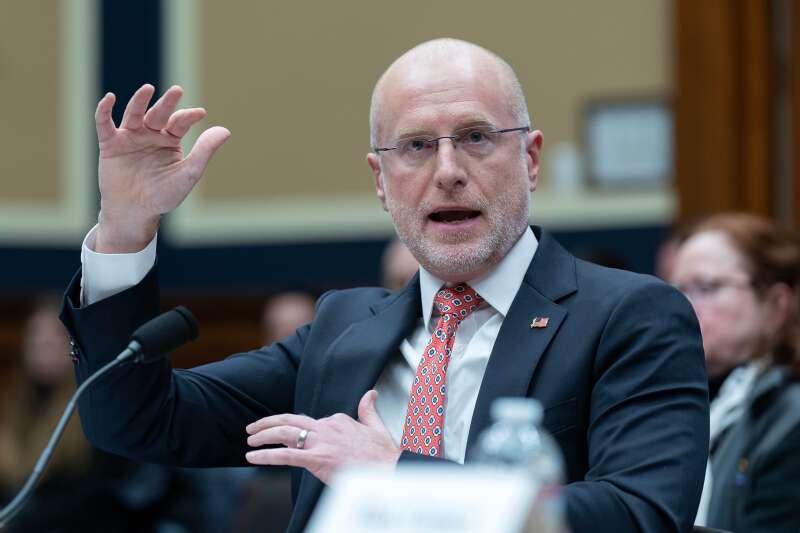
The Federal Communications Commission chair has threatened to revoke the licenses of broadcasters who provide what the administration deems to be false or misleading coverage of the Iran war. This move comes as President Trump has been openly critical of the media’s coverage of the conflict, accusing some outlets of spreading “hoaxes” about the war. The president’s criticism has sparked concerns about the potential erosion of press freedom in the United States.
The FCC chair’s threat has been met with widespread criticism from media outlets and advocacy groups, who argue that it amounts to an attempt to intimidate and silence journalists. The move is seen as a clear escalation of the Trump administration’s long-standing feud with the media, which has been a frequent target of the president’s ire. The chair’s threat has been reported by several major news outlets, including The New York Times, The Washington Post, and The Guardian.
The dispute centers on the media’s coverage of the recent conflict between the US and Iran, which has been marked by a series of tit-for-tat attacks and retaliatory strikes. The president has taken to social media to dispute reports of damage to US tankers and other military assets, calling them “fake news” and “hoaxes”. However, many of these reports have been based on credible sources and eyewitness accounts, and have been widely reported by reputable news outlets.
The FCC chair’s threat to revoke licenses is seen as a highly unusual and potentially unconstitutional move, as it appears to target specific types of coverage rather than specific instances of wrongdoing. The FCC is responsible for regulating the broadcast industry, but its authority does not extend to censoring or punishing outlets for their editorial content. The move has sparked fears that the Trump administration is seeking to use the FCC as a tool to silence its critics and suppress dissenting voices.
The fallout from the FCC chair’s threat is likely to be significant, with many in the media and beyond expressing outrage and concern at the potential implications for press freedom. As the US media continues to grapple with the challenges of covering a highly polarized and contentious administration, the FCC chair’s move is seen as a clear attempt to exert pressure and control over the narrative. The incident has sparked a wider debate about the role of the media in holding those in power to account, and the importance of a free and independent press in a democratic society.
This article may be prepared with the assistance of artificial intelligence (AI) and is reviewed before publication. While we aim for accuracy and timeliness, readers should verify important facts from official or primary sources. If you believe any information is inaccurate or that any content infringes your rights, please contact ainewsbreaking.com for review and appropriate action.