
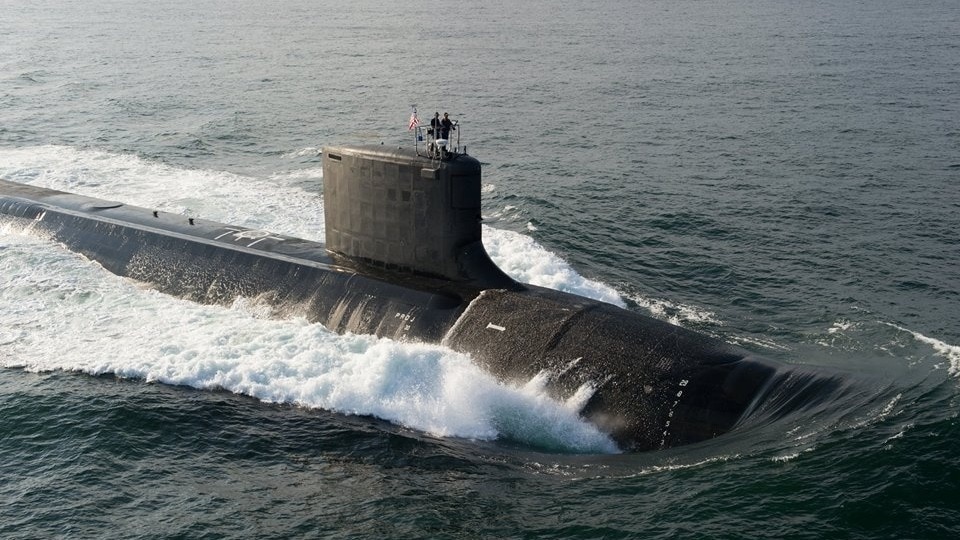
US Military’s Lighthearted Response to Trump’s Inquiry on Iranian Vessel Seizure Sparks Interest in Maritime Security Dynamics
In a recent exchange, former US President Donald Trump expressed curiosity about the US military’s strategy regarding Iranian naval vessels, wondering why they didn’t capture certain ships. The military’s response, which emphasized the preference for sinking enemy ships over capture due to the complexity and risks involved, has brought attention to the intricacies of maritime security operations. This conversation stems from Trump’s claim that the US military sank a significant number of “top-of-the-line” Iranian naval ships over the course of three and a half days, highlighting the dynamic nature of naval conflicts and the strategic considerations that guide military actions.
The context of Trump’s inquiry and the military’s response underscores the complexities of naval warfare and the array of factors that influence decision-making in such scenarios. The preference for sinking enemy vessels, as opposed to capturing them, is rooted in practical considerations, including the potential risks to personnel, the logistical challenges of capture and detention, and the strategic value of demonstrating military capability. This approach reflects a broader strategy aimed at asserting dominance and deterring aggression, rather than merely disabling or capturing adversary assets.
The incident in question, involving the sinking of Iranian naval ships, is emblematic of the tensions that exist between the US and Iran, particularly in the maritime domain. The Persian Gulf and surrounding waters have long been a focal point of geopolitical competition, with both nations, along with other regional and global actors, vying for influence and security. The US military’s actions in this context are guided by a mix of strategic, operational, and tactical considerations, reflecting the need to balance deterrence, defense, and diplomacy in a volatile and complex environment.
The “it’s more fun” aspect of the military’s response, while lighthearted, belies the serious and nuanced nature of the decisions made in the heat of naval operations. It hints at the professionalism and the nuanced understanding that military personnel bring to their roles, recognizing that the outcomes of such actions have far-reaching implications for international relations, global security, and the men and women who serve in the armed forces. This professionalism is underscored by the rigorous training, the adherence to protocols, and the commitment to achieving strategic objectives while minimizing risk to both friendly forces and non-combatants.
In the broader context of international relations and maritime security, the exchange between Trump and the US military serves as a reminder of the multifaceted nature of conflicts and the diplomatic efforts that accompany them. The dynamics at play involve not just military might but also economic sanctions, political maneuvering, and social factors, all of which can influence the trajectory of tensions between nations. The maritime dimension, with its critical importance for global trade, energy supply, and strategic mobility, elevates the stakes and complicates the calculus for decision-makers.
As geopolitical tensions continue to evolve, with the maritime domain playing an increasingly critical role, the interactions between world leaders and their militaries offer glimpses into the strategic thinking and operational priorities that shape global security. The preference for certain tactics over others, such as sinking versus capturing enemy vessels, reflects a deeper consideration of ends, ways, and means in military strategy, influenced by technological capabilities, doctrinal developments, and the lessons of historical conflicts.
In conclusion, the conversation between Trump and the US military regarding Iranian naval ships captures a moment in the ongoing narrative of global security, highlighting the intricate balance of power, the role of maritime forces, and the strategic calculations that underpin military actions. As the international community navigates the challenges of the 21st century, understanding these dynamics is crucial for fostering stability, preventing conflict, and promoting peace. The lighthearted yet profound response of the US military to Trump’s inquiry serves as a reminder of the complexities and the gravity of decisions made in the realm of international security, where the consequences of action or inaction are far-reaching and profound.
This article may be prepared with the assistance of artificial intelligence (AI) and is reviewed before publication. While we aim for accuracy and timeliness, readers should verify important facts from official or primary sources. If you believe any information is inaccurate or that any content infringes your rights, please contact ainewsbreaking.com for review and appropriate action.