US Relaxes Iranian Oil Sanctions Amid Soaring Energy Crisis as Trump Signals Possible War Drawdown; Israel Launches Fresh Strikes on Tehran
Middle East Crisis LIVE: War Escalation, Oil Shock, and Uncertain Peace Signals
The ongoing Middle East conflict has entered a volatile new phase, marked by a mix of military escalation, economic intervention, and conflicting political signals. As the United States moves to ease sanctions on Iranian oil to stabilize global markets, former U.S. President Donald Trump has suggested he may consider “winding down” the war—even as Israeli forces intensify strikes on Tehran.
📌 Key Takeaways
- US eases sanctions to release 140 million barrels of Iranian oil
- Trump hints at reducing war efforts—but no ceasefire in sight
- Israel intensifies attacks with new strikes on Tehran
- Global economy shaken by energy crisis and supply disruptions
- War continues to expand with rising humanitarian and geopolitical risks
🔴 US Eases Sanctions on Iranian Oil to Stabilize Markets
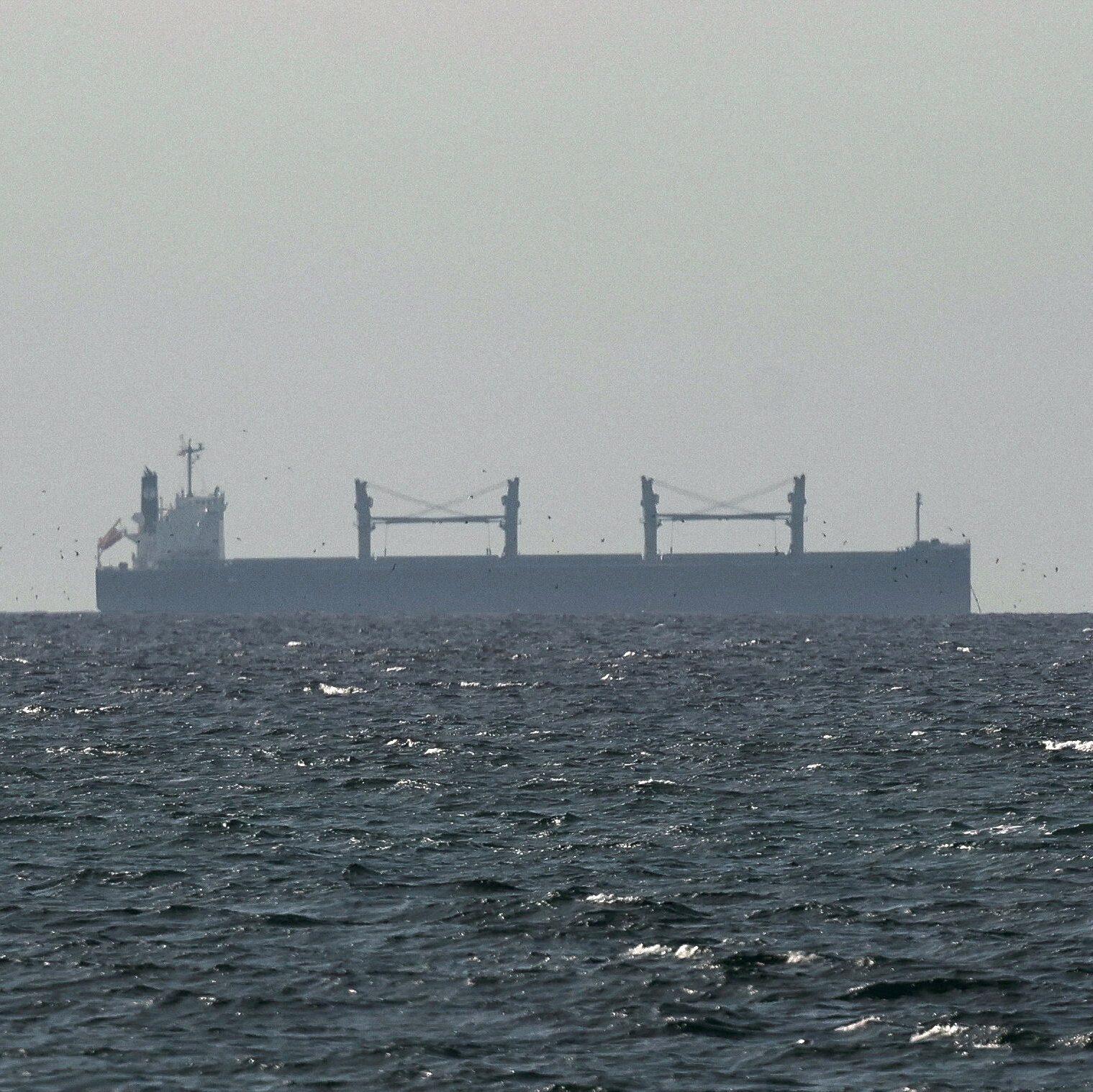
In a major policy shift driven by surging global energy prices, the United States has temporarily relaxed sanctions on Iranian oil shipments already at sea. The decision allows roughly 140 million barrels of Iranian crude to enter global markets over a 30-day period.
This move comes as oil prices have surged well above pre-war levels due to disruptions caused by the conflict, particularly the closure of the Strait of Hormuz, a critical global oil chokepoint.
- The waiver applies only to oil already loaded before March 20
- No new Iranian oil production or exports are authorized
- The goal is to ease supply shortages and reduce inflationary pressure
Despite criticism that the move could indirectly benefit Iran, U.S. officials insist that Tehran will not have access to the revenue, due to ongoing financial restrictions.
⚠️ Trump Signals Possible “Wind Down” — But No Ceasefire Yet
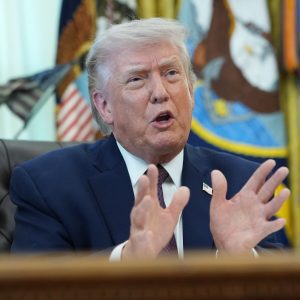
Amid intensifying conflict, Donald Trump has indicated that the U.S. could consider scaling back military operations, claiming that key objectives are close to being achieved.
However, this messaging remains inconsistent:
- Trump has ruled out an immediate ceasefire
- The U.S. is simultaneously deploying more troops and warships to the region
- A massive $200 billion war funding request is under debate
This dual-track approach—hinting at de-escalation while reinforcing military presence—has added to global uncertainty about the war’s trajectory.
💥 Israel Strikes Tehran Again
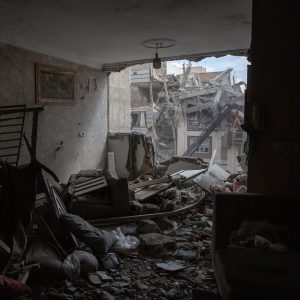
Even as diplomatic signals emerge, military operations continue unabated. Israeli forces have launched fresh strikes targeting regime-linked infrastructure in Tehran, marking another escalation in direct attacks on Iran’s capital.
These strikes follow:
- Earlier attacks on Iran’s South Pars gas field, a major energy hub
- Continued Israeli operations against Hezbollah targets in Lebanon
- Coordinated U.S.-Israel strikes across multiple Iranian cities
The ongoing bombardment has significantly damaged Iran’s military and energy infrastructure, further intensifying the conflict.
🌍 Global Impact: Oil, Economy, and Security at Risk
The war is having far-reaching global consequences:
⛽ Energy Crisis
- Oil prices have surged past $100–$119 per barrel
- Closure of Hormuz has disrupted nearly 20% of global oil supply
- Gas and LNG infrastructure across the Gulf has been targeted
📉 Economic Shockwaves
- Rising fuel costs are driving inflation worldwide
- Airlines, shipping, and manufacturing sectors are under pressure
- Food security concerns are increasing due to fertilizer supply disruptions
🌐 Security Concerns
- Iran has threatened to target global tourism and civilian sites
- Attacks have expanded beyond Iran and Israel into Lebanon, Qatar, and Gulf states
- Thousands have been killed and millions displaced
⚔️ War Background: How It Escalated
The current conflict began on February 28, 2026, when the U.S. and Israel launched large-scale strikes on Iranian military targets.
Iran responded by:
- Closing the Strait of Hormuz
- Launching missile and drone attacks on regional and Western targets
- Targeting global energy infrastructure
Since then, the conflict has evolved into a multi-front regional war with global economic implications.
🔍 What Comes Next?
The situation remains highly fluid:
- The U.S. may continue balancing economic relief with military pressure
- Israel shows no sign of halting strikes on Iranian targets
- Iran continues to threaten wider retaliation
While Trump’s comments about “winding down” the war offer a glimpse of possible de-escalation, the reality on the ground suggests that the conflict is far from over.
This article may be prepared with the assistance of artificial intelligence (AI) and is reviewed before publication. While we aim for accuracy and timeliness, readers should verify important facts from official or primary sources. If you believe any information is inaccurate or that any content infringes your rights, please contact ainewsbreaking.com for review and appropriate action.