India’s Economy Faces Growing Vulnerability Amid West Asia Conflict, Says Finance Ministry Report
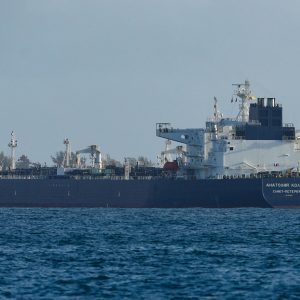
A recent report from India’s finance ministry has shed light on the potential consequences of the ongoing West Asia conflict on the country’s economy, underscoring the need for immediate relief measures to soften the blow. The report identifies four key channels through which the conflict is likely to affect India’s economy, including supply disruptions, export sector disruptions, higher import prices, and reduced remittances from Indian workers in the Gulf countries.
The supply disruptions, in particular, are expected to cause widespread shortages and price increases for essential commodities such as oil, gas, and fertilizers. This, in turn, will have a ripple effect on various sectors of the economy, leading to higher production costs and reduced consumer spending. Furthermore, the export sector is likely to suffer significantly as Indian companies face disruptions in their supply chains, leading to delayed shipments and lost orders.
In addition to these challenges, Indian exporters will also face higher logistics charges due to increased freight and insurance rates, making it more difficult for them to compete in the global market. This could lead to a decline in exports, which would further exacerbate the economic woes. The impact of reduced exports to the Gulf countries may not be significant in the larger context of India’s overall exports, but the loss of remittances from Indian workers in the region will be felt keenly by families and communities that rely on these income streams.
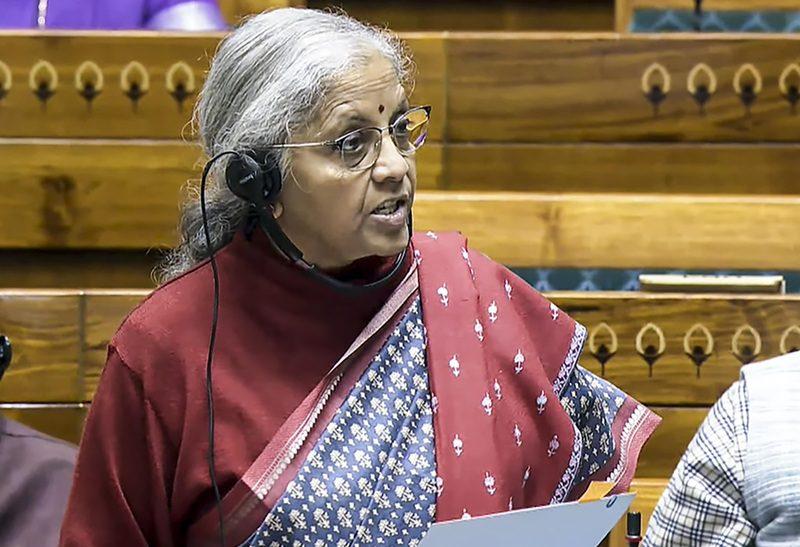
The finance ministry’s report serves as a stark reminder of the need for swift and effective government intervention to mitigate the effects of the West Asia conflict on the Indian economy. By providing support to affected industries and implementing relief measures, the government can help cushion the blow and minimize the disruption to the country’s economic trajectory. The report’s findings highlight the importance of proactive policy measures to address the challenges posed by the conflict and ensure that India’s economy remains resilient in the face of external shocks.
The Indian government is likely to face significant challenges in developing and implementing strategies to mitigate the effects of the West Asia conflict. However, with careful planning and coordination, it is possible to reduce the impact of the conflict and ensure that the country’s economy continues to grow and thrive. The finance ministry’s report is a crucial step in this process, providing a detailed analysis of the potential consequences of the conflict and highlighting the need for swift and effective action.
As the situation in West Asia continues to evolve, India’s government will need to remain vigilant and adapt its policies to address the changing circumstances. By doing so, it can help protect the country’s economy and ensure that the effects of the conflict are minimized. The finance ministry’s report is a timely reminder of the importance of proactive and effective policy-making in the face of external challenges.
This article may be prepared with the assistance of artificial intelligence (AI) and is reviewed before publication. While we aim for accuracy and timeliness, readers should verify important facts from official or primary sources. If you believe any information is inaccurate or that any content infringes your rights, please contact ainewsbreaking.com for review and appropriate action.