
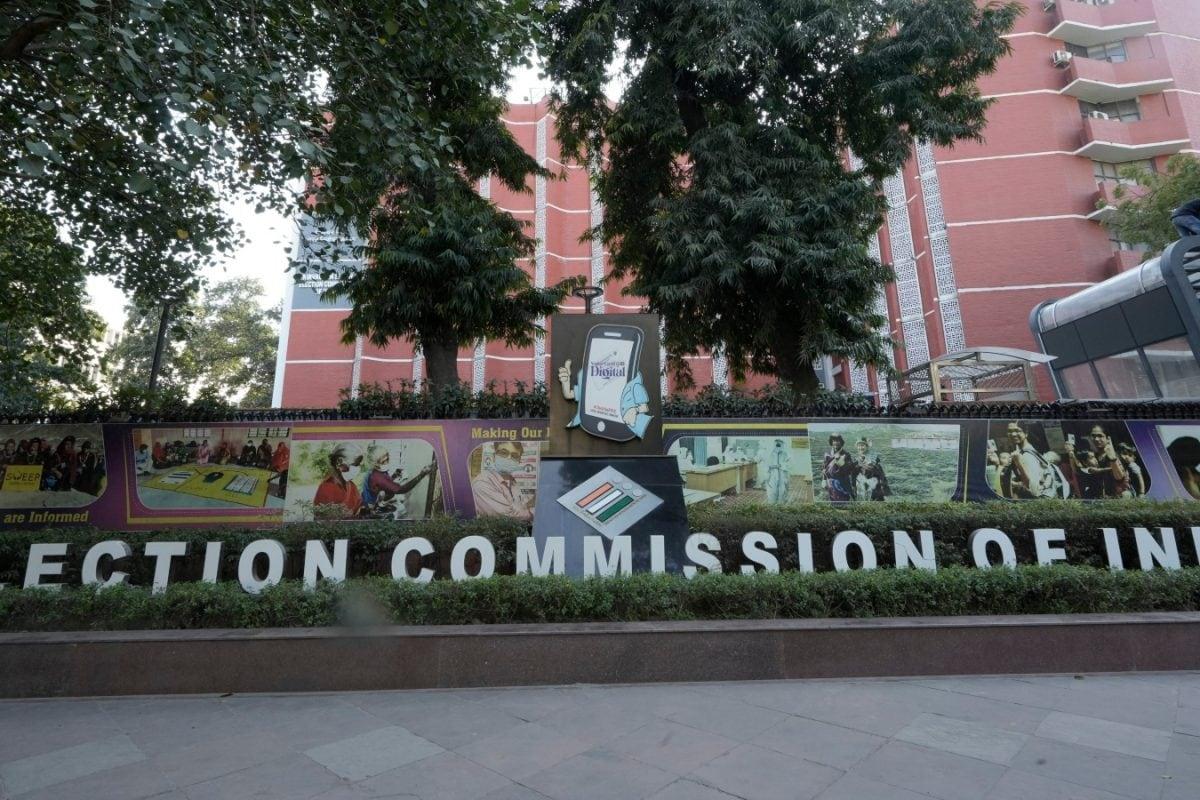
West Bengal Election Violence: Malda Stings a Warning to the Election Commission
In a troubling sign for the forthcoming polls in West Bengal, the recent Malda Lok Sabha bye-election has left the Election Commission (EC) scrambling to ensure a violence-free voting experience. The by-election, held on March 26, exposed a darker side of the state’s electoral landscape, underscoring the need for the EC to step up security measures and guarantee the safety of voters.
For years, West Bengal has been grappling with a disturbing trend where elections frequently turn into battlegrounds of violence, threatening the very essence of democracy. Since the start of the current government, the issue has only intensified, with numerous reports of clashes between rival groups, alleged electoral malpractices, and targeted assaults on opposition supporters. The situation is exacerbated by the presence of extremist groups that often exploit the volatile atmosphere to further their interests.
A closer examination of the Malda by-election reveals a complex pattern of manipulation and intimidation that undermines the democratic process. With the involvement of radical groups and the complicity of local strongmen, sections of the electorate have been coerced or misled through fear, money, or muscle power. This is often carried out under the guise of protecting their “identity” or “interests,” leaving little room for genuine voter preference or the free exercise of choice.
While the EC has a critical role to play in preventing electoral violence, its effectiveness in tackling the issue remains a subject of ongoing debate. Critics argue that the Commission’s measures may not be adequate to address the root causes of unrest, particularly the presence of extremist groups and local factionalism. The increasing tendency to politicize security arrangements and turn polling booths into “battle zones” has only made matters worse.
In the face of mounting pressure, the EC is under an immense responsibility to devise more comprehensive strategies to secure voting sites, empower voters, and safeguard the integrity of the electoral process. This may involve bolstering grassroots engagement and outreach programs, leveraging community-level networks, and establishing more robust mechanisms for citizen feedback. The stakes are high, as the upcoming polls are a litmus test for the EC’s ability to ensure peace, order, and democratic principles in the state.
The challenge ahead will be substantial, as the EC must also reckon with the reality of entrenched social and economic inequalities, communal tensions, and a deep-seated divide between rival camps. In addressing these complexities, the commission will need to tread a delicate line between ensuring security and respecting
This article may be prepared with the assistance of artificial intelligence (AI) and is reviewed before publication. While we aim for accuracy and timeliness, readers should verify important facts from official or primary sources. If you believe any information is inaccurate or that any content infringes your rights, please contact ainewsbreaking.com for review and appropriate action.