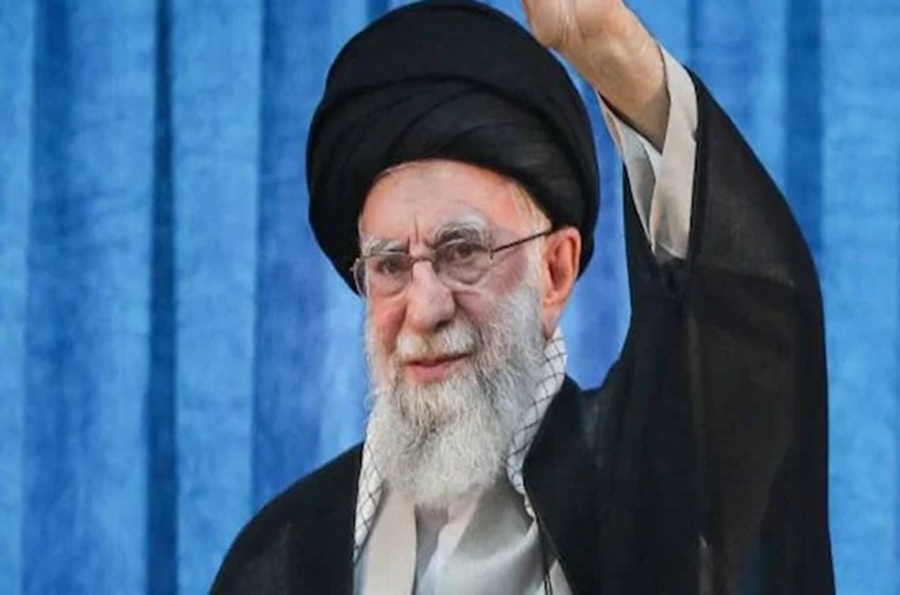
‘Zionist Regime Made A Big Mistake’: From Ayatollah Khamenei’s X Account After His Death Warns Israel
A Deep Dive Into the Message, Its Context, and the Escalating Iran–Israel–U.S. Conflict
ntroduction: A Historic Warning From Beyond the Grave
In a remarkable and unprecedented development in the escalating Middle East conflict, the official X (formerly Twitter) account of Ayatollah Seyyed Ali Khamenei — the longtime Supreme Leader of the Islamic Republic of Iran — issued a stark warning directed at Israel’s government, referred to by Iranian authorities as the “Zionist regime.”
The post, which appeared on March 6, 2026, states emphatically:
“The Zionist regime has made a big mistake, and its consequences will make the regime desperate, by God’s grace.”
This warning is especially notable because Khamenei was confirmed dead several days earlier following a coordinated military strike by United States and Israeli forces inside Iran. The timing and tone of this message have already generated global attention and speculation about its meaning, authorship, and implications for regional stability.
In this in‑depth exploration, we examine the full context of the post, its symbolic and strategic significance, the broader military and political backdrop, and what this might indicate about the future of the Iran–Israel–U.S. confrontation.
1. Khamenei’s Official Post: The Message and Its Imagery
The message itself was posted from @khamenei_ir, the Supreme Leader’s verified X account, and contained both text and powerful imagery reportedly depicting missile production, deployment, and attack scenes.
What the Post Said
The caption read:
“The Zionist regime has made a big mistake, and its consequences will make the regime desperate, by God’s grace.”
This language is characteristic of Iranian revolutionary rhetoric, which often frames geopolitical conflict in moral and existential terms. The message implies that Israel’s recent military actions will backfire and lead to trouble for its own leadership.
The Visuals Shared
Images accompanying the post were described as showing:
- Scientific teams assembling missiles,
- Military personnel launching missiles,
- Explosions and impacts on enemy targets.
These visuals functioned as both propaganda and a strategic signal — a subtle threat of retaliation or a demonstration of Iran’s ongoing military capabilities.
Speculation Over Authorship
Multiple analysts and observers have noted that the post’s timing — after Khamenei’s reported death — raises questions about who actually composed and issued the message. Some possibilities include:
- Followers or close aides managing the account posthumously,
- Elements within the Iranian Revolutionary Guard Corps (IRGC),
- Iranian state communication channels aiming to sustain a narrative of defiance.
There is no official confirmation about the specific author behind the post at the time of reporting.
2. Background: Khamenei’s Death and the Broader Conflict
To understand the significance of the March 6 post, it’s important to step back and review recent events that escalated tensions dramatically.
Khamenei Killed in Joint US–Israeli Strikes
On February 28, 2026, military forces from the United States and Israel launched a major aerial and missile strike campaign inside Iran. According to both Israeli and U.S. statements, part of this campaign targeted a secure compound associated with Ayatollah Khamenei.
Israeli Prime Minister Benjamin Netanyahu publicly stated that there were strong indications Khamenei had been killed in the strikes.
Iranian state media later confirmed Khamenei’s death, along with the deaths of other senior officials and military commanders.
The campaign was described by American and Israeli officials as part of a broader effort to degrade Iran’s military and nuclear infrastructure and to disrupt Tehran’s ability to project power in the region.
Across Iran and the wider Middle East, reactions were intense — ranging from official mourning to vows of retaliation.
3. The Context of Rising Tensions in the Region
Even before these recent events, tensions between Iran and Israel — and between Iran and the United States — had been escalating for months.
Ongoing Hostilities
Previous confrontations included missile attacks, cyber operations, and direct military skirmishes. Iranian leaders, including Khamenei, consistently used warnings about retaliation against perceived aggression by Israel and its allies.
In mid‑2025, during a prior round of hostilities, Khamenei explicitly threatened harsh punishment against what he described as the “Zionist enemy.”
These statements underscored Tehran’s long‑standing policy of resistance and deterrence against hostile actions aimed at its territory or interests.
4. What the Post Signals Politically and Militarily
The March 6 message carries layers of symbolic and strategic meaning.
A Message of Defiance
Even after Khamenei’s death, the message projects an image of continuity and resilience. It implies that:
- Iran remains committed to opposing Israel’s strategic objectives,
- The leadership — formal or informal — intends to sustain a high‑pressure posture,
- Tehran still perceives itself as capable of imposing costs on its enemies.
If the post was indeed coordinated by Iranian officials or allies, it suggests a deliberate effort to maintain unity and morale during an extremely volatile period.
Strategic Psychological Warfare
The dramatic nature of the post could also be viewed as psychological messaging aimed at:
- Emboldening Iranian supporters and allied groups,
- Undermining Israeli public and political confidence,
- Signaling to global observers that Iran remains undeterred.
This form of messaging has been a staple of Middle Eastern power projection for decades — leveraging media platforms to shape perceptions on and off the battlefield.
5. Reactions from Around the World
Global responses to the post and the unfolding conflict have varied widely.
United States and Western Allies
U.S. leadership — at least as of this reporting — has portrayed its actions as necessary for national and allied security, framing the military campaign as defensive and targeted. The Biden administration has emphasized deterrence and the prevention of further escalation. (This is based on typical U.S. public positions in such conflicts, acknowledging ongoing tensions.)
Israeli Government Response
Israeli officials have defended the military strikes and have stressed that continued pressure will be applied against threats emanating from Iranian territory. They have also cited ongoing intelligence indicating hostile planning by Iran’s leadership.
Regional Reaction Across the Middle East
In Iran and among allied groups, there have been both expressions of defiance and active calls for compliance with Khamenei’s warnings. State media and religious leaders have stressed the narrative of resistance against what they term “foreign aggression.”
Other governments in the region have sounded varying degrees of concern, with some urging restraint and others advocating diplomatic de‑escalation to prevent broader war.
6. What Comes Next? Key Questions Moving Forward
This extraordinary episode raises a number of crucial questions:
• Who Controls Iran’s Military and Political Response Now?
With the Supreme Leader confirmed dead, Iran’s leadership structure is under intense pressure. The question of succession — whether a formal replacement will be named quickly, or whether power will be distributed across the political and military elite — will shape the country’s next moves.
• Will There Be Further Military Escalation?
The recent imagery and rhetoric suggest that Iran’s military retains significant capabilities. Whether these capabilities will be used in another offensive or largely held in reserve to deter further strikes remains to be seen.
• Can Diplomatic Backchannels Emerge?
Despite high tensions, history offers examples where covert communication has averted catastrophic escalation. Whether any diplomatic backchannels exist amid this crisis — perhaps through third‑party intermediaries — is a matter of speculation rather than confirmed reporting.
Conclusion: A Moment of Unparalleled Tension
The March 6 message from Ayatollah Ali Khamenei’s X account — declaring that the “Zionist regime made a big mistake” — stands as one of the most unusual digital communications in modern geopolitics, primarily because it followed the Supreme Leader’s confirmed death just days earlier.
Its significance lies not only in what it says, but in what it symbolizes: a fierce determination by Iran’s establishment to project strength and defiance in the face of overwhelming military pressure.
As the Middle East continues to grapple with the fallout from rapid military escalation, international diplomacy, and the future trajectory of leadership in Tehran, this message will be referenced as a defining moment in a conflict with potentially far‑reaching implications.
This article may be prepared with the assistance of artificial intelligence (AI) and is reviewed before publication. While we aim for accuracy and timeliness, readers should verify important facts from official or primary sources. If you believe any information is inaccurate or that any content infringes your rights, please contact ainewsbreaking.com for review and appropriate action.