Europe warns of Russia’s hybrid attacks but struggles to counter them
  Former chief election commissioner calls SIR scheme illegal.
  A Corruption Scandal Is Reshaping Brazil’s Presidential Election
  US citizen injured in Illinois after ICE agents mistook him for fugitive, tried to arrest him
  At 10 years old, Smithsonian’s Black museum is undaunted amid pressure from Trump administration
 How Iran’s New Supreme Leader Mojtaba Khamenei Escaped Death by Seconds in US-Israel Airstrike That Killed Ali Khamenei
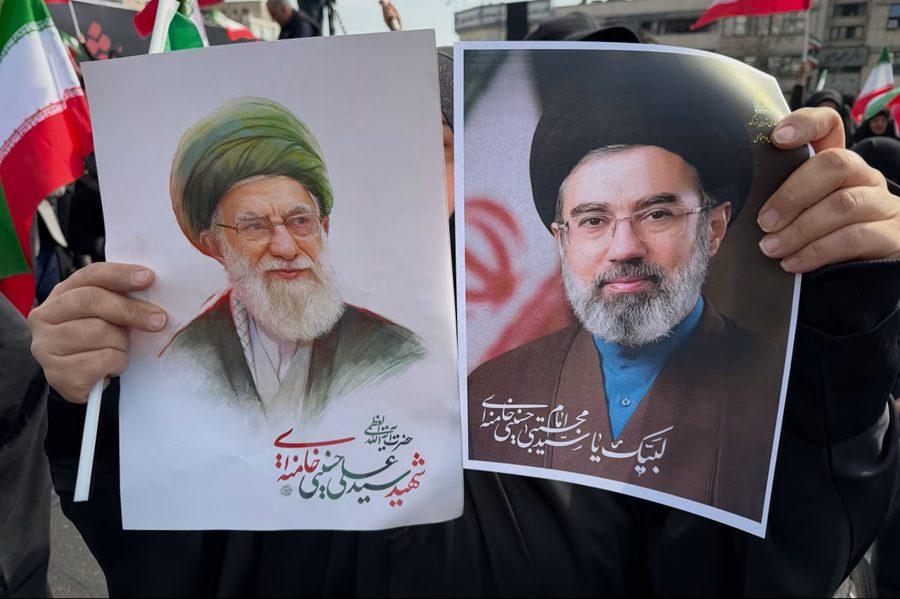
irans supreme leader mojtaba:
The dramatic rise of Mojtaba Khamenei to Iran’s highest leadership came under extraordinary and violent circumstances—ones that nearly cost him his life. According to multiple reports and intelligence leaks, the new Supreme Leader survived a devastating U.S.-Israel coordinated airstrike by mere seconds, in what analysts are calling one of the closest near-death escapes in modern geopolitical history.
The Strike That Changed Iran’s Leadership Overnight
On February 28, 2026, a massive, highly coordinated military operation targeted Iran’s top leadership in Tehran. The strike—widely attributed to joint efforts involving U.S. intelligence agencies like the Central Intelligence Agency and Israeli operatives—aimed to eliminate the country’s command structure in one decisive blow.
At the center of the attack was Iran’s then Supreme Leader, Ali Khamenei, who was killed along with several senior officials and family members.
This single strike triggered a sudden power vacuum—and within days, Mojtaba Khamenei, his son, was elevated to the top position.
The Moment That Saved His Life
What makes this story extraordinary is how narrowly Mojtaba escaped the same fate.
According to leaked accounts cited in media reports, Mojtaba had stepped outside the targeted building moments before the missiles struck.
- The strike reportedly hit within seconds of his exit
- The entire operation lasted less than a minute
- Multiple high-value targets inside the compound were killed instantly
Had he remained inside even briefly longer, he likely would have been among the dead.
This tiny window—mere seconds—proved to be the difference between death and survival.
Severe Injuries and Conflicting Reports
Although he survived, Mojtaba Khamenei did not escape unscathed.
Reports suggest he was seriously wounded in the blast, with some intelligence assessments indicating:
- Possible loss of a limb
- Severe physical trauma
- Long-term medical complications
Iranian state media has indirectly acknowledged his injuries, referring to him as a “wounded veteran” of the conflict, though no official medical details have been disclosed.
Adding to the mystery, Mojtaba has not made a public appearance since the attack—fueling speculation about his true condition.
Where Is Mojtaba Khamenei Now?
The uncertainty surrounding his health and whereabouts has become a major geopolitical question.
- No verified public appearance since becoming Supreme Leader
- Statements attributed to him have been delivered through intermediaries
- Even global leaders have expressed uncertainty about whether he is alive or fully functional
This information blackout has intensified speculation that:
- He may still be recovering in a secure location
- He could be severely incapacitated
- Iran is deliberately hiding his condition to maintain political stability
A Strike Designed for Maximum Impact
Military experts say the operation that killed Ali Khamenei was not just an attack—it was a decapitation strike, designed to eliminate Iran’s leadership in one swift move.
Key features of the operation reportedly included:
- Precision-guided long-range missiles
- Real-time intelligence from surveillance networks
- Deep infiltration of Iran’s leadership circles
- Timing during daylight hours to avoid predictable defense patterns
The goal was clear: cripple Iran’s command structure instantly.
While it succeeded in killing the top leader, Mojtaba’s survival—by sheer timing—meant the mission was only partially successful.
From Survivor to Supreme Leader
Following the assassination, Iran quickly moved to stabilize its leadership.
An Interim Leadership Council was formed to manage the transition before Mojtaba was officially selected as Supreme Leader.
His appointment, however, remains controversial:
- Critics argue it represents dynastic succession
- Supporters frame it as continuity during crisis
Either way, his rise is inseparable from the strike that nearly killed him.
Global Implications of the Near-Miss
Mojtaba Khamenei’s survival has had far-reaching consequences:
1. Prolonged Conflict
Had he been killed, Iran might have faced deeper instability. His survival ensured continuity—but also intensified retaliation threats.
2. Increased Secrecy
Iran has tightened control over information, making leadership visibility extremely limited.
3. Strategic Uncertainty
World leaders—including those in Washington—have acknowledged uncertainty about who is actually in charge in Tehran.
A War Defined by Seconds
The story of Mojtaba Khamenei’s escape underscores a brutal reality of modern warfare:
history can hinge on seconds.
- A brief walk outside
- A delay of a few moments
- A missile arriving just too late
These small variables reshaped the leadership of an entire nation.