 Australia probes AI‑driven breach of My Health Record portal
  Engineering student’s ‘suicide’ turns out to be murder; two arrested
  Canada’s Capital Bids Good Riddance to Trump Avenue as Tensions With U.S. Rise
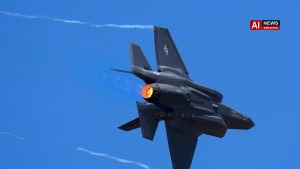
  Pentagon investigates after China obtains parts from F-35 stealth fighter jet
 US imposes naval blockade on Iran
The US has imposed a naval blockade on Iranian ships passing through the Strait of Hormuz, sparking a surge in oil prices and escalating tensions between the two nations. The move has significant implications for global energy markets and the global economy, with potential consequences for international relations and trade.
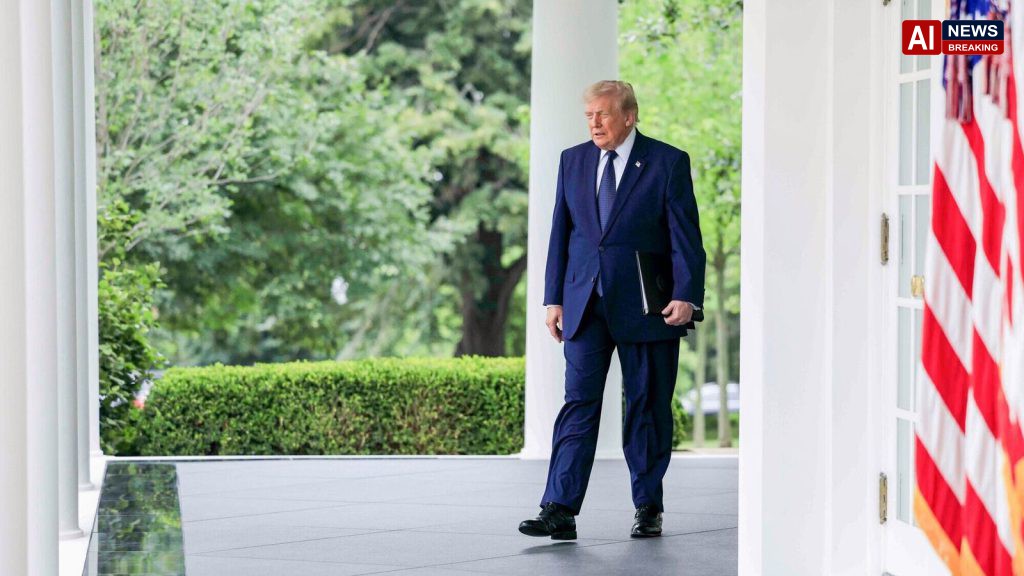
imposes naval blockade iran:
US oil prices have surged to over $75 a barrel after President Trump announced a naval blockade against Iranian ships passing through the strategically critical Strait of Hormuz. The move is likely to escalate tensions between the two nations and has significant implications for global energy markets. The blockade is aimed at restricting Iran’s ability to export oil, which is a major source of revenue for the country..
The decision to impose a naval blockade has been met with concern from other nations, who fear it could lead to a disruption in global oil supplies. The Strait of Hormuz is a vital waterway through which a significant proportion of the world’s oil passes, and any disruption to shipping in the area could have far-reaching consequences. The US has said that it will work to ensure that the blockade does not harm other nations, but the impact is already being felt..
The price of oil has risen sharply in response to the announcement, with US oil topping $75 a barrel for the first time in months. The increase in oil prices is likely to have a knock-on effect on the global economy, with higher fuel costs potentially leading to increased inflation and slower economic growth. The US has said that it will take steps to mitigate the impact of the blockade on the global economy, but the effects are already being felt..
President Trump has also announced that the US will impose a 20% cargo fee on all ships passing through the Strait of Hormuz. The move is seen as an attempt to further restrict Iran’s ability to export oil and to generate revenue for the US. The fee has been met with criticism from other nations, who argue that it is an unfair tax on international shipping..
The US has said that the fee will be used to help pay for the costs of maintaining a naval presence in the area. The naval blockade is the latest escalation in tensions between the US and Iran, which have been increasing in recent months. The two nations have been at odds over a range of issues, including Iran’s nuclear program and its support for militant groups in the region..
The US has said that it is committed to protecting its interests in the region and to preventing Iran from acquiring nuclear weapons. The Strait of Hormuz is a critical waterway that connects the Persian Gulf to the Arabian Sea. It is the primary route for oil exports from Iran, Iraq, and other Gulf nations, and any disruption to shipping in the area could have significant consequences for global energy markets..
The US has said that it will work to ensure that the blockade does not harm other nations, but the impact is already being felt. The US has deployed a significant naval presence to the area, including warships and aircraft carriers. The move is seen as an attempt to demonstrate US military power and to deter Iran from attempting to break the blockade..
The US has said that it is committed to protecting its interests in the region and to maintaining the free flow of oil through the Strait of Hormuz. Other nations have expressed concern about the potential impact of the blockade on global energy markets. The European Union has said that it is working to find a diplomatic solution to the crisis, while China has called for restraint on all sides..
The US has said that it is willing to work with other nations to find a solution, but it has made clear that it will not back down on its demands. The blockade is likely to have significant implications for the global economy, with higher oil prices potentially leading to increased inflation and slower economic growth. The US has said that it will take steps to mitigate the impact of the blockade on the global economy, but the effects are already being felt..
The increase in oil prices is also likely to have a significant impact on consumers, who may face higher fuel costs and increased prices for goods and services. The situation in the Strait of Hormuz is complex and volatile, with multiple nations and interests involved. The US has said that it is committed to protecting its interests in the region and to maintaining the free flow of oil through the Strait of Hormuz..
However, the blockade has significant implications for global energy markets and the global economy, and it remains to be seen how the situation will unfold. The US has said that it will continue to work to find a diplomatic solution to the crisis, but it has made clear that it will not back down on its demands. The situation in the Strait of Hormuz is likely to remain volatile for the foreseeable future, with significant implications for global energy markets and the global economy..
The US and other nations will need to work together to find a solution that balances the need to restrict Iran’s ability to export oil with the need to maintain the free flow of oil through the Strait of Hormuz. The implications of the blockade are far-reaching, with potential consequences for global energy markets, the global economy, and international relations. The US and other nations will need to navigate a complex and volatile situation in order to find a solution that balances competing interests and priorities..
The situation in the Strait of Hormuz is a significant challenge for the international community, and it will require careful diplomacy and cooperation to resolve. The world will be watching the situation in the Strait of Hormuz closely, as the consequences of the blockade continue to unfold. The US and other nations will need to work together to find a solution that maintains the free flow of oil through the Strait of Hormuz, while also addressing the underlying issues that have led to the current crisis..
The situation is complex and volatile, but it is clear that a diplomatic solution is the only way to resolve the crisis and maintain stability in the region..
Updated: July 13, 2026
The US naval blockade on Iranian ships passing through the Strait of Hormuz has sparked a significant surge in oil prices, with global markets bracing for potential disruption. As tensions between the US and Iran escalate, the international community is scrambling to find a diplomatic solution to the crisis, which threatens to have far-reaching consequences for the global economy.
The escalating tensions in the Strait of Hormuz threaten to upend the delicate balance of global energy markets, with far-reaching consequences for economic stability and international relations. As the situation continues to unfold, the world will be watching to see if diplomacy can prevail in resolving the crisis, or if the blockade will spark a wider conflict with devastating implications for the global economy.