 Australia probes AI‑driven breach of My Health Record portal
  Engineering student’s ‘suicide’ turns out to be murder; two arrested
 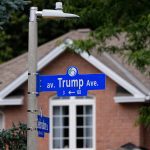 Canada’s Capital Bids Good Riddance to Trump Avenue as Tensions With U.S. Rise
  Pentagon investigates after China obtains parts from F-35 stealth fighter jet
 Fiji Declares a National Emergency as H.I.V. Cases Skyrocket
** Fiji’s government has declared a national emergency in response to a sharp rise in HIV infections tied to increased drug use. The decree gives health authorities sweeping powers to ramp up testing, expand needle‑exchange programs, and deploy mobile clinics across the islands, while human‑rights groups warn the temporary suspension of certain liberties could set a concerning precedent.

Fiji Declares a National Emergency as H.I.V. Cases Skyrocket - AI News Breaking
fiji declares national emergency:
Fiji’s government announced on Tuesday that it has declared a national emergency in response to a dramatic rise in HIV infections, a development that health officials say is being driven by a surge in drug use across the archipelago. The emergency proclamation, signed by President Wiliame Katonivere, grants the Ministry of Health sweeping powers to mobilise resources, enforce testing and treatment protocols, and implement stricter controls on the distribution of illicit substances. It also allows for the temporary suspension of certain civil liberties, such as mandatory quarantine for individuals identified as high‑risk, a step that has sparked debate among human‑rights advocates.The latest figures released by the Fiji Ministry of Health and Medical Services indicate that approximately 8,300 adults are now living with HIV, a prevalence rate of roughly one in 60 people..
This marks a near‑doubling of the national infection rate over the past five years and places Fiji among the Pacific nations with the fastest‑growing epidemics. While the country once boasted relatively low HIV numbers compared with regional neighbours, the recent upward trend coincides with a noticeable increase in the consumption of injectable drugs, particularly methamphetamine and heroin, which are often administered using shared needles.Health Minister Ifereimi Vula warned that the situation could deteriorate further if immediate, coordinated action is not taken. “We are confronting a public health crisis that threatens not only the health of individuals but the social and economic fabric of our nation,” he said in a press conference..
“The emergency declaration is a necessary tool to ensure we can rapidly scale up testing, provide antiretroviral therapy to those in need, and curb the spread of infection through targeted harm‑reduction programmes.” The minister outlined a three‑phase response plan: an emergency surveillance and testing drive, the expansion of needle‑exchange services, and a public‑education campaign aimed at de‑stigmatising the disease.The surge in drug use has been linked to a combination of factors, including rising unemployment among young adults, increased availability of cheap synthetic drugs from overseas trafficking networks, and limited access to rehabilitation facilities. According to a recent report by the Pacific Islands Forum ariat, Fiji’s drug‑related arrests have risen by 42 percent since 2019, and the number of individuals seeking treatment for substance‑use disorders has outstripped the capacity of the nation’s three government‑run rehabilitation centres. Community leaders and NGOs argue that without addressing the root causes of drug dependency, any effort to contain HIV will be hampered.In response, the Ministry of Health has pledged to double the number of needle‑exchange points from 15 to 30 within the next six months, focusing on urban centres such as Suva, Lautoka and Labasa where the highest concentrations of drug use have been reported..
These sites will not only distribute sterile injecting equipment but also provide on‑site rapid HIV testing, counselling and referrals to treatment. International partners, including the World Health Organization and the United Nations Office on Drugs and Crime, have offered technical assistance and funding to support the expansion of harm‑reduction services.The emergency decree also authorises the rapid deployment of mobile testing units to remote islands, an effort aimed at reaching populations that have historically been underserved by the health system. Mobile clinics will travel to islands such as Kadavu, Vanua Levu and the Lau group, offering free HIV screening and immediate initiation of antiretroviral therapy for those who test positive..
Officials hope that by lowering barriers to diagnosis, they can achieve the World Health Organization’s target of 95 percent of people living with HIV knowing their status, a benchmark that Fiji currently falls short of, with an estimated 58 percent awareness rate.Critics of the emergency measures caution that the temporary suspension of certain civil liberties could set a precedent for future interventions that infringe on personal freedoms. Human‑rights lawyer Litia Ratu voiced concerns that mandatory quarantine and compulsory testing may disproportionately affect marginalized groups, including sex workers and people who use drugs. “We must balance public health imperatives with the protection of fundamental rights,” she said..
“Any coercive approach risks driving vulnerable individuals further underground, making them harder to reach with preventative services.”In the legislative arena, parliament is expected to debate supplementary bills that would formalise the emergency powers and outline the duration of the measures. Lawmakers from the opposition FijiFirst party have called for greater transparency and oversight, urging the government to publish detailed data on infection rates, resource allocation and the outcomes of harm‑reduction programmes. The debate comes amid broader concerns about Fiji’s capacity to fund an expanded health response, given the nation’s ongoing fiscal pressures from climate‑related reconstruction projects and a slowdown in tourism revenue.Despite these challenges, there are signs of optimism on the ground..
A pilot needle‑exchange programme launched in Suva’s Burebasaga district last year recorded a 30 percent reduction in self‑reported needle sharing among participants, and early data suggest a modest decline in new HIV infections in that locality. Moreover, community‑led organisations such as the Pacific AIDS Network have stepped up outreach efforts, training peer educators to disseminate accurate information about HIV transmission and the importance of regular testing.The national emergency declaration signals a pivotal moment for Fiji as it confronts a dual crisis of drug misuse and infectious disease. The effectiveness of the government’s response will hinge on the swift implementation of harm‑reduction strategies, the scaling up of testing and treatment infrastructure, and the ability to sustain public trust while navigating the delicate balance between health security and civil liberties..
As the nation braces for the coming months, health officials stress that the battle against HIV will require not only medical intervention but also a coordinated social effort to address the underlying drivers of drug addiction and stigma..
Fiji has declared a national emergency as HIV cases nearly double, linking the surge to rising injectable drug use, and granting health authorities broad powers to expand testing, treatment and needle‑exchange programmes. The move, backed by international aid, faces criticism over temporary restrictions on civil liberties and calls for greater transparency.
Fiji’s emergency decree forces a clash between rapid health intervention and civil‑rights safeguards, exposing how quickly pandemic‑style powers can become a double‑edged sword in small‑state governance.
If the needle‑exchange surge can translate into genuine community trust, it may prove that pragmatic harm‑reduction