Europe warns of Russia’s hybrid attacks but struggles to counter them
  Former chief election commissioner calls SIR scheme illegal.
  A Corruption Scandal Is Reshaping Brazil’s Presidential Election
  US citizen injured in Illinois after ICE agents mistook him for fugitive, tried to arrest him
  At 10 years old, Smithsonian’s Black museum is undaunted amid pressure from Trump administration
 Maharashtra FDA Commissioner made recommendation to NPPA on pricing gap of hospital consumables
**
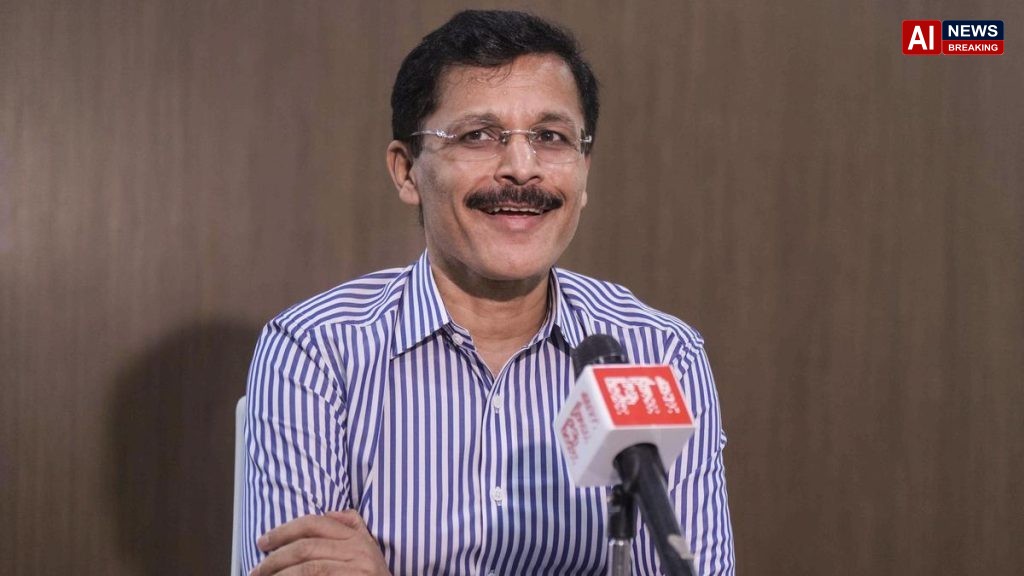
Maharashtra FDA Commissioner made recommendation to NPPA on pricing gap of hospital consumables - AI News Breaking
maharashtra commissioner made recommendation:
A senior regulator in Maharashtra has warned that patients and doctors have no insight into the true cost of the consumables used in hospitals, calling for greater transparency from manufacturers and the National Pharmaceutical Pricing Authority (NPPA). The remarks were made by the state’s Food and Drugs Administration commissioner, Dr. Tukaram Munde, in a briefing to the press earlier this week.Commissioner Munde said the pricing gap between the price a hospital pays for a disposable item and the amount it subsequently bills to the patient is a growing concern..
“Patients are often unaware that the price they see on the receipt may not reflect the real cost of the product,” he said. “In many cases, the markup is set long before the item reaches the ward, and that information is not disclosed.” He added that the lack of clarity could lead to overcharging and erode public trust in the health system.The commissioner’s comments come amid a broader national debate on drug and consumable pricing. The NPPA, which sets price ceilings for medicines and certain consumables, has faced criticism that its guidelines do not cover all items used in hospitals..
In 2021, the central government issued a circular mandating that all pharmaceutical and non-pharmaceutical consumables sold to public sector hospitals be priced in accordance with the NPPA’s ceiling. However, many hospitals continue to source items from private suppliers whose pricing is not regulated.Munde highlighted the case of a 45‑year‑old patient who, after undergoing a routine joint replacement, received a bill that included a “surgical drape” priced at ₹5,000. The patient was told that the same drape had been purchased by the hospital for only ₹1,000..
The price difference, Munde explained, is typical of a markup that has been built into the product’s supply chain. “We have no way of knowing where the surplus is going,” he said. “It could be profit, or it could be a cost that is passed on to the patient.”The commissioner’s remarks were met with cautious support from the Maharashtra Health Department..
A spokesperson for the department said that the state is reviewing its procurement policies to ensure that all items used in public hospitals meet the pricing standards set by the NPPA. “We recognise the need for greater transparency, and we will be working with the central government and industry to streamline the process,” the spokesperson said. “Patients’ rights and the integrity of the health system are paramount.”In the same briefing, the NPPA’s spokesperson reiterated that the authority had been working to extend its price control mechanisms to all hospital consumables..
“The NPPA’s price ceilings are based on a comprehensive cost analysis, taking into account raw material costs, manufacturing overheads, and logistics,” the spokesperson said. “We are committed to ensuring that these ceilings are updated regularly to reflect market changes.” He added that the NPPA has recently introduced a database of consumable items, which hospitals are required to consult before making purchases.However, many clinicians have expressed frustration that the system does not account for variations in quality and brand differences. “Not all surgical gauze is created equal,” said Dr..
Anil Gupta, a senior surgeon at a leading Mumbai hospital. “If a cheaper brand is used without proper testing, it could jeopardise patient safety.” He argued that the current price ceilings might limit hospitals’ ability to choose the best product for a specific procedure. “We need a system that balances cost control with quality assurance,” he said.The issue of pricing transparency has also drawn attention from patient advocacy groups..
The Maharashtra Association of Patient Rights has requested a public audit of hospital consumable costs. “Patients should have the right to see a breakdown of the charges,” said the association’s chairperson, Meera Patel. “When costs are opaque, patients are left vulnerable to exploitation, especially those who cannot afford to fight back.”The Maharashtra FDA’s recommendation to the NPPA calls for a mandatory disclosure of the manufacturing cost and the final price paid to the hospital for each consumable..
The commission also proposes a tiered pricing system, where items used in critical care would have a higher ceiling than those used in routine procedures, reflecting their higher cost of production and importance to patient outcomes. “Such a system would help hospitals manage their budgets more effectively while protecting patients from inflated charges,” Munde said.The NPPA’s policy team is reportedly reviewing the proposal. A senior official noted that implementing a tiered system would require a substantial overhaul of existing pricing frameworks, as well as cooperation from manufacturers, wholesalers, and hospitals..
“The central and state governments will need to work in tandem to revise the guidelines and ensure compliance,” the official said.While the discussion remains at an early stage, it is clear that the conversation is part of a larger effort to bring more accountability into India’s healthcare pricing structure. The National Health Policy of 2017 emphasised the need for transparency in public procurement and the importance of safeguarding patients against unauthorised price hikes. The current debate underscores the tension between cost containment and ensuring high-quality care.In the coming weeks, both the Maharashtra state health authorities and the NPPA are expected to convene a joint panel to outline the next steps..
Stakeholders, including doctors, patients, and industry representatives, will likely be invited to participate in consultations aimed at refining the pricing model. If the recommendations are adopted, Maharashtra could become a leading example for other states in implementing a transparent, cost‑controlled approach to hospital consumables, potentially improving patient confidence and financial sustainability across India’s public healthcare system..
Updated: September 17, 2026