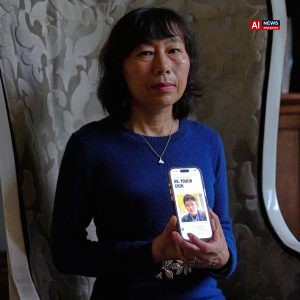
US citizen injured in Illinois after ICE agents mistook him for fugitive, tried to arrest him
  At 10 years old, Smithsonian’s Black museum is undaunted amid pressure from Trump administration
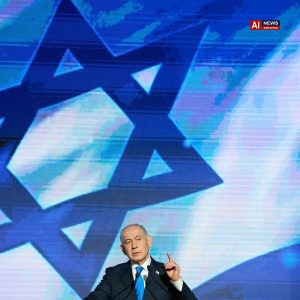
  Beleaguered at Home, a Bellicose Netanyahu Heads to the U.N.
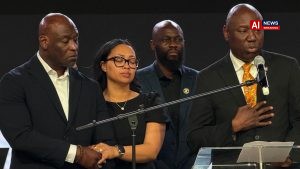
  Family to release cellphone report in Nolan Wells case
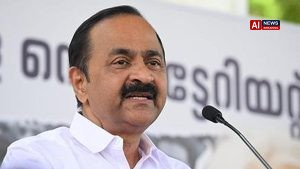
  Important to preserve independence, transparency of Election Commission: Keralam CM Satheesan
 South Korean President Calls for Easing Sanctions on the North
**
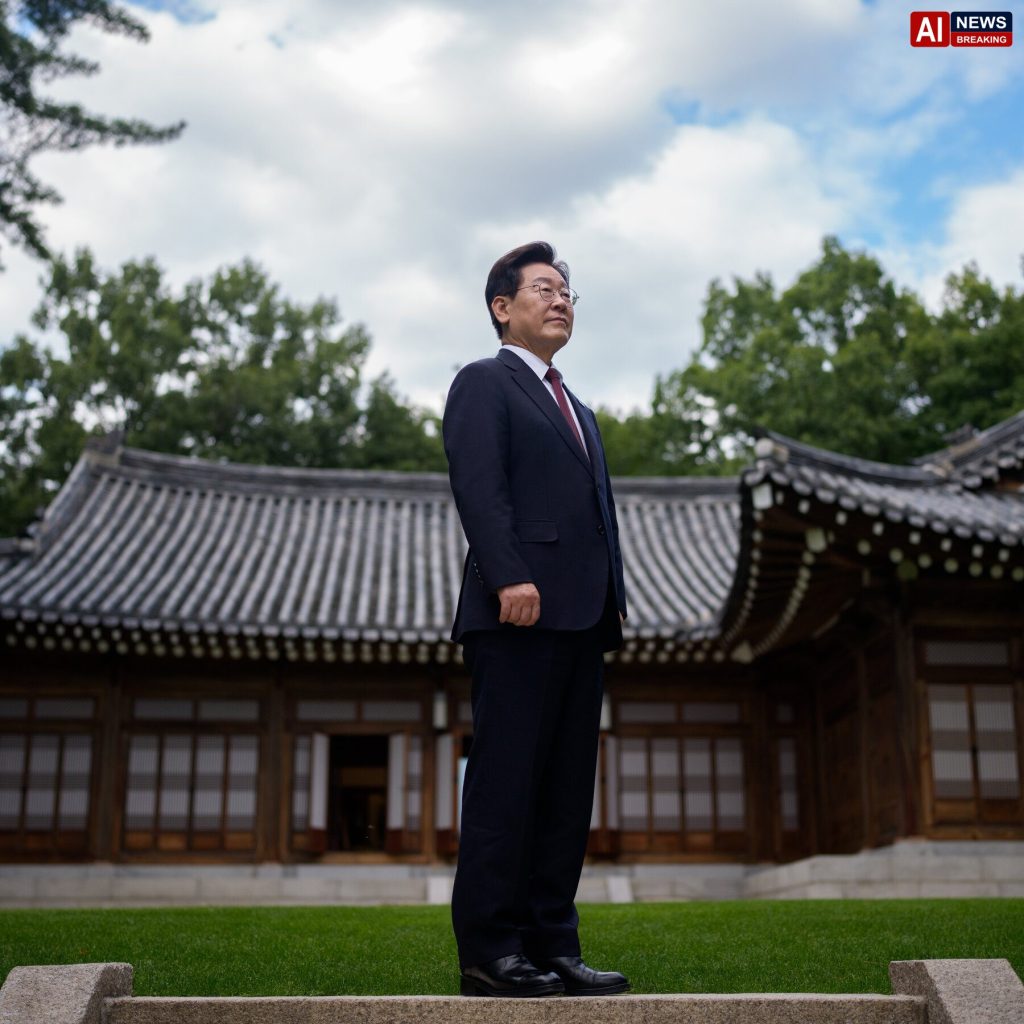
South Korean President Calls for Easing Sanctions on the North - AI News Breaking
South Korean President Lee Jae‑Myung has publicly urged a re‑evaluation of the punitive measures that have been imposed on North Korea since the escalation of its nuclear and missile programmes in the early 2000s. Speaking to a domestic news outlet on Thursday, Lee argued that a blanket lifting of sanctions would be premature, but that a calibrated easing could create the diplomatic space needed for a credible freeze of Pyongyang’s nuclear ambitions. The comments mark a departure from the hard‑line stance traditionally favoured by Seoul’s ruling parties and signal a possible shift in the regional security calculus ahead of next year’s inter‑Korean summit.Lee’s remarks came after weeks of behind‑the‑scenes consultations with senior officials from the United States, Japan and China, all of whom have expressed concern that the current sanctions regime, while effective in curbing some illicit trade, has also deepened humanitarian distress among the North’s civilian population..
In an interview, the president said that “the people of the Korean Peninsula deserve a peace process that does not sacrifice their basic needs on the altar of geopolitical posturing.” He added that a limited relaxation of restrictions on food, medicine and energy could serve as a confidence‑building measure, encouraging Pyongyang to halt further nuclear testing and missile launches.The proposal, however, is not without controversy. Opposition parties in the National Assembly have denounced Lee’s suggestion as “soft‑selling” to a regime that has repeatedly violated United Nations resolutions. Critics argue that any concession could be interpreted by Pyongyang as a sign of weakness, emboldening it to pursue more advanced weapons capabilities..
In a parliamentary session held on Friday, the main opposition leader warned that “easing sanctions without a verifiable freeze on nuclear activities would undermine the credibility of the international non‑proliferation regime and jeopardise the security of our allies.”International reaction has been similarly divided. The United States, which maintains the largest share of sanctions enforcement in the region, issued a cautious response through its State Department spokesperson, stating that “any modification to the sanctions framework must be linked to concrete, verifiable steps by the Democratic People’s Republic of Korea to cease all nuclear and ballistic missile activities.” Meanwhile, Chinese foreign ministry officials, who have long advocated for a more flexible approach, praised Lee’s initiative as “a constructive step toward reducing tensions on the peninsula.” Japanese officials, still grappling with the legacy of North Korean abductions and missile overflights, expressed “concern that premature easing could compromise Japan’s security, but welcomed the invitation for dialogue.”Analysts point out that the timing of Lee’s appeal may be linked to the upcoming inter‑Korean summit scheduled for early 2025, where both Seoul and Pyongyang are expected to discuss a range of issues from family reunions to economic cooperation. Kim Hae‑jin, a senior fellow at the East Asia Institute, noted that “the president’s call for limited sanctions relief can be seen as an attempt to set the agenda for the summit, signalling to the North that Seoul is willing to reward restraint with tangible benefits.” He added that “the success of such a strategy will hinge on the ability of the United Nations Security Council to reach a consensus on a phased, performance‑based easing of measures.”The United Nations Security Council has convened a special session to review the sanctions regime, with the United States, United Kingdom and France urging a “strict adherence to the existing framework” until Pyongyang demonstrates a verifiable freeze..
Russia, a permanent member with historically closer ties to North Korea, called for “flexibility and a balanced approach” that would consider the humanitarian impact of sanctions. The outcome of the council’s deliberations is expected within the next two months, and could set the precedent for how the international community engages with a regime that has repeatedly defied diplomatic overtures.Domestically, Lee’s proposal has ignited a broader debate about South Korea’s strategic priorities. Public opinion polls conducted by the Korea Institute for National Unification show a modest but growing segment of the population—approximately 38 percent—supporting a more conciliatory stance, up from 24 percent two years ago..
Younger voters, in particular, appear more receptive to engagement, citing the desire for stability and the economic costs of a protracted standoff. Conversely, veterans’ groups and some civil‑society organisations continue to advocate for a hard‑line policy, emphasizing the need to maintain pressure until the North completely dismantles its nuclear infrastructure.Economic considerations also feature prominently in the discussion. South Korean conglomerates, especially those in the automotive and technology sectors, have long lobbied for the removal of sanctions that hamper cross‑border investments and joint ventures..
In a recent statement, the Korean Chamber of Commerce and Industry highlighted the “potential for mutually beneficial projects in energy, infrastructure and tourism” should a sanctions relief framework be established. However, experts caution that premature economic integration could expose South Korean firms to legal and reputational risks, especially if the North fails to honor any freeze agreements.As the diplomatic landscape evolves, Lee’s call for a measured easing of sanctions underscores the delicate balance between maintaining pressure on a nuclear‑armed neighbor and creating incentives for constructive behaviour. Whether Seoul’s leadership can marshal enough international support to implement a phased approach, and whether Pyongyang will reciprocate with a genuine freeze, remain open questions..
The coming months will test the resolve of regional powers, the cohesion of the United Nations sanctions regime, and the patience of a public that has endured decades of uncertainty. The outcome may well shape the security architecture of East Asia for years to come..
Updated: September 22, 2026
South Korean President Lee Jae‑Myung urged a calibrated easing of sanctions on North Korea to create diplomatic space for a nuclear freeze, marking a shift from Seoul’s traditional hard‑line stance. The proposal, welcomed by China but met with skepticism from the United States, Japan and domestic opposition, aims to balance humanitarian concerns with security imperatives ahead of next year’s inter‑Korean summit.
Insight: Lee’s soft‑sell signals Seoul is betting that humanitarian goodwill can outweigh the fear of appearing weak, turning aid into a diplomatic lever rather than a concession. If the calculus pays off, the next inter‑Korean summit could redefine regional security not through coercion, but by rewarding restraint with