 A Tetris-Like Maze Blocks Protests in Pakistan’s Capital
  At Summit, Xi Sought to Tilt Trump’s Stance on America’s Place in Asia
  Trump Rejects Iran’s 7-Day Hormuz Plan: Strait Reopening Deal Hits Roadblock Amid US-Iran Tensions
  Trump administration uses rare authority to claw back nearly $1B in spending approved by Congress
  Prosecutor accused of misconduct in ‘Broadview Six’ case resigns, says US attorney ‘scapegoated’ her
 Trump Rejects Iran’s 7-Day Hormuz Plan: Strait Reopening Deal Hits Roadblock Amid US-Iran Tensions
Trump has reportedly rejected Iran’s seven-day proposal to reopen the Strait of Hormuz and halt regional fighting. Iran is awaiting an official US response as diplomatic efforts remain uncertain. The development could affect oil prices, global shipping, India’s economy and financial markets.
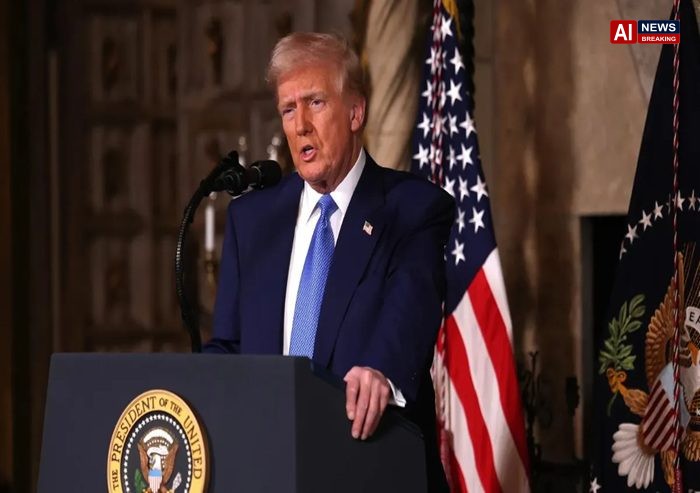
trump rejects irans 7day:
US President Donald Trump has reportedly rejected Iran’s proposal for a seven-day ceasefire and a roadmap to reopen the Strait of Hormuz, dealing a setback to diplomatic efforts aimed at reducing the continuing US-Iran conflict. Tehran’s plan called for the strategic waterway to reopen within seven days after Washington accepted a series of conditions, while nuclear negotiations would also resume.
Iranian officials said the proposal had been transmitted to Washington through Qatar, but the reported rejection has left the plan in limbo. Reuters reported on September 26 that Iran was still awaiting an official US response after The Wall Street Journal reported that Trump had rejected the proposal.
The development is significant because the Strait of Hormuz is one of the world’s most important energy chokepoints. Any prolonged disruption to shipping through the waterway can affect crude oil prices, natural gas supplies, tanker movements, shipping insurance and the economies of major energy-importing countries.
The latest diplomatic setback also raises questions about what comes next for the US-Iran conflict. Iran has attempted to connect the reopening of Hormuz with wider negotiations involving sanctions, military pressure, regional fighting and its nuclear programme. Washington, however, has continued to press Tehran for broader concessions.
For global markets, the central issue is now whether the reported rejection results in renewed military escalation or whether indirect diplomacy through mediators can keep negotiations alive.
Trump reportedly rejects Iran’s seven-day proposal
The immediate development came after Iranian Foreign Minister Abbas Araghchi publicly outlined a seven-day proposal to reopen the Strait of Hormuz.
According to Iranian officials, Tehran had conveyed the plan to Washington through Qatar. The proposal would establish a seven-day period after US acceptance of the necessary conditions, after which normal maritime passage through the strait would be restored and nuclear negotiations would resume.
However, The Wall Street Journal reported that Trump had rejected Iran’s proposal. Reuters subsequently reported that Iran was awaiting an official US response following the newspaper’s report.
That distinction is important.
The reported rejection has not been presented by Reuters as a formally communicated US diplomatic response to Iran. The report originated with The Wall Street Journal, which cited unnamed US officials.
As a result, the diplomatic process remains fluid even though the reported rejection represents a major obstacle to Tehran’s proposed seven-day timetable.
What was Iran’s seven-day Hormuz plan?
Iran’s proposal was designed around a sequence of reciprocal steps.
Tehran said that if Washington accepted the necessary conditions, the process would lead to the reopening of the Strait of Hormuz within seven days.
The proposal was not limited to maritime navigation.
It reportedly included measures relating to the US naval blockade of Iranian ports, sanctions and Iranian oil exports, regional hostilities and the resumption of nuclear negotiations. Reports have also described demands involving frozen Iranian assets.
In other words, Iran was offering the reopening of one of the world’s most important shipping routes as part of a wider diplomatic arrangement.
That made the proposal considerably more ambitious than a simple agreement over commercial shipping.
It attempted to connect several major disputes between Washington and Tehran in one framework.
The seven-day timeline explained
The proposal can be understood as a conditional timetable rather than a guaranteed reopening date.
Step 1: US acceptance
The seven-day process would begin only after Washington accepted Iran’s conditions.
Step 2: Implementation
The parties would then begin implementing the agreed measures involving military activity, sanctions and regional hostilities.
Step 3: Seven-day period
During the proposed period, the conditions would have to remain in place while the two sides prepared for the next stage.
Step 4: Reopening of Hormuz
Iran said the Strait of Hormuz could be reopened and normal maritime passage restored within seven days.
Step 5: Nuclear negotiations
The proposal also envisaged renewed negotiations concerning Iran’s nuclear programme.
The reported Trump rejection therefore strikes at the first stage of the proposed process.
Without US acceptance, Iran’s seven-day countdown cannot begin under the terms Tehran has outlined.
Why Trump’s reported rejection matters
The rejection is significant because it suggests that Washington has not accepted Tehran’s proposed sequencing of concessions.
Iran’s plan essentially ties the reopening of Hormuz to US actions involving military pressure, sanctions and the regional conflict.
The United States has broader demands concerning Iran’s nuclear programme and regional security.
That creates a fundamental negotiating problem.
Tehran wants relief from pressure and a pathway toward reopening the waterway.
Washington wants commitments from Iran before agreeing to major concessions.
The two sides therefore remain separated over the order in which concessions should occur.
This sequencing issue has repeatedly complicated negotiations between the United States and Iran.
What Trump reportedly wants next
The Wall Street Journal reported that Trump had rejected the seven-day ceasefire proposal and told aides he expected US bombing to resume after the November congressional elections. Reuters separately reported the same WSJ account, while stressing that it was based on unnamed US officials.
This is one of the most consequential elements of the latest report.
If the account is accurate, Washington is not currently treating Iran’s seven-day proposal as an acceptable basis for ending the conflict.
However, the reported position does not necessarily mean that all diplomatic channels have closed.
Reuters reported that indirect contacts and mediation efforts were continuing, with Iran awaiting an official US response.
That leaves open the possibility of further proposals, changes to the terms or additional mediation.
Iran is still waiting for an official US response
One of the most important details in the latest reporting is that Iran was still waiting for an official US response.
This means readers should distinguish between two separate developments:
First: The Wall Street Journal reported that Trump rejected the proposal.
Second: Reuters reported that Iran was still awaiting an official response from Washington.
The difference matters because diplomatic negotiations frequently involve informal messages, intermediary communications and public statements before a formal government position is delivered.
Until Washington communicates its position directly through the diplomatic channel, the exact status of the proposal remains somewhat uncertain.
Qatar’s role in the negotiations
Qatar has emerged as an important intermediary between Iran and the United States.
Iran reportedly transmitted its proposal through Qatar, which has previously played a role in regional mediation efforts.
Using an intermediary allows the two sides to communicate even when direct diplomatic relations are limited.
The Qatar channel is therefore important to watch because it could remain active even after the reported rejection.
If Iran modifies its proposal or Washington responds with counterconditions, Qatar could potentially remain part of the communication process.
The involvement of mediators also reflects the complexity of the dispute.
The conflict involves not only Iran and the United States but also regional actors and multiple interconnected security issues.
Why the Strait of Hormuz is at the centre of the dispute
The Strait of Hormuz is a narrow waterway connecting the Persian Gulf with the Gulf of Oman and the wider Indian Ocean.
Its geographic position makes it one of the most strategically important maritime routes in the world.
Major energy producers in the Gulf rely heavily on maritime routes for exports.
Any prolonged disruption can therefore affect international energy markets.
The waterway’s importance extends beyond the Middle East.
Asian economies, European consumers and global energy companies all depend on stable energy flows through the region.
That is why a diplomatic announcement concerning Hormuz can move oil markets even before any physical change in shipping occurs.
Hormuz and the global oil market
The most immediate economic consequence of continued uncertainty is the oil market.
When traders fear a disruption to energy supplies, they can add a geopolitical risk premium to crude prices.
When the probability of a reopening increases, that premium can decline.
This is why reports of diplomatic progress have previously influenced oil prices.
The opposite is also true.
A failed negotiation or renewed military escalation can increase fears about future supply disruptions.
The reported rejection of Iran’s seven-day proposal therefore introduces another source of uncertainty for energy markets.
The actual price reaction will depend on several factors, including physical oil flows, inventories, production levels, alternative export routes and expectations about future military developments.
Why a Hormuz reopening matters more than just oil
Although oil is the most obvious concern, the Strait of Hormuz affects much more than crude.
The region is important for LNG shipments, petroleum products and other commercial cargo.
A prolonged disruption can increase:
- tanker insurance costs
- freight rates
- shipping times
- fuel costs
- supply-chain expenses
- energy prices
- inflationary pressure
Companies may also have to reroute vessels or use alternative logistics arrangements.
That can make imported goods more expensive even when the underlying commodity itself has not experienced a major price increase.
What the rejection means for global shipping
If Hormuz remains restricted, shipping companies must continue assessing security risks before sending vessels through the area.
Some operators may decide to delay voyages or seek alternative arrangements.
However, alternative routes are not always practical.
The geography of the Gulf means that there are limits to how much energy exports can be redirected through pipelines or other ports.
The result is that Hormuz remains difficult to replace completely.
This is one reason why the waterway has such significant bargaining power in the conflict.
Iran’s economic pressure
The dispute is unfolding while Iran faces significant economic pressure.
US sanctions have restricted Iran’s access to international markets and complicated its oil exports.
The naval blockade described in reports has added further pressure on Iran’s maritime trade.
The proposed deal therefore sought to connect reopening Hormuz with economic relief.
For Tehran, restoring normal maritime activity without receiving meaningful concessions from Washington could reduce one of its principal sources of leverage.
This helps explain why Iran has placed the issue at the centre of its diplomatic proposal.
The nuclear issue remains unresolved
The Strait of Hormuz is only one part of the larger dispute.
Iran’s nuclear programme remains a central issue in US-Iran relations.
Iran has sought negotiations while rejecting conditions it considers unacceptable.
Washington has continued to seek restrictions and assurances concerning Iran’s nuclear capabilities.
The seven-day proposal attempted to bring the nuclear issue back into a diplomatic framework.
Under Iran’s proposal, reopening Hormuz would be linked to the resumption of nuclear negotiations.
The reported Trump rejection means that this proposed sequence has encountered an immediate obstacle.
What could happen to nuclear negotiations?
The reported rejection does not necessarily mean that nuclear diplomacy is permanently over.
The two sides could still negotiate through intermediaries.
Iran could modify its proposal.
The United States could present counterconditions.
Another country could attempt to mediate.
However, the latest development indicates that the current Iranian framework has not secured US acceptance.
Any future nuclear negotiations would therefore likely require a new set of terms or a revised sequence of commitments.
Regional fighting complicates the picture
The proposal also sought to address fighting across the wider Middle East.
Reports describing the Iranian offer have referred to a broader cessation of hostilities, including Lebanon.
This makes the negotiations substantially more complicated.
A US-Iran agreement cannot automatically resolve every conflict involving regional actors.
Different groups and governments have their own objectives.
The conflict has also involved Yemen and the security of other maritime routes.
The result is a regional security environment in which events in one theatre can influence another.
Bab el-Mandeb adds another layer of risk
The Strait of Hormuz is not the only maritime chokepoint affected by the wider conflict.
The Bab el-Mandeb Strait, linking the Red Sea with the Gulf of Aden, is also strategically important.
Reuters reported that escalating Houthi activity around Saudi Arabia had added pressure to the regional security environment.
For global shipping, simultaneous uncertainty around Hormuz and Bab el-Mandeb would be particularly significant.
A vessel avoiding one dangerous route may face increased costs or risks elsewhere.
This makes the wider regional conflict more important to international trade than the status of a single waterway.
India faces an important energy risk
For India, the Strait of Hormuz crisis is closely connected to crude oil.
India is one of the world’s major energy consumers and relies heavily on imported crude.
That means international oil prices have implications for India’s import bill, inflation and currency.
If geopolitical uncertainty pushes crude prices higher for a prolonged period, Indian businesses can face increased fuel and transportation costs.
The effects can spread to airlines, logistics companies, manufacturers, chemicals, plastics and other energy-intensive industries.
A sustained rise in crude can also influence expectations for inflation and interest rates.
What could happen to the Indian rupee?
Oil imports require foreign currency.
When crude prices rise significantly, India’s import expenditure can increase.
If other conditions remain unchanged, that can create additional pressure on the rupee.
However, the currency does not move solely because of crude oil.
US interest rates, global capital flows, India’s foreign-exchange reserves, trade flows and investor sentiment also influence the rupee.
Therefore, the Hormuz situation should be treated as one major external factor rather than a standalone predictor of currency movements.
Impact on the Sensex and Nifty
Indian equity markets could respond to changes in oil prices and geopolitical risk.
A sustained increase in crude prices can raise concerns about:
- inflation
- corporate margins
- India’s current-account position
- currency stability
- interest-rate expectations
Some sectors are more directly exposed to fuel prices than others.
Airlines and transportation companies can face higher operating costs.
Oil-producing companies may respond differently because their revenue can be linked to energy prices.
Banks and financial companies can be affected indirectly through changes in inflation and economic growth expectations.
The precise market reaction will depend on how long the disruption continues and how crude prices respond.
Why investors should distinguish between headlines and physical developments
One of the biggest challenges during geopolitical crises is separating diplomatic announcements from actual changes on the ground.
Iran has proposed a seven-day reopening plan.
Trump has reportedly rejected it.
Neither development, by itself, means that commercial shipping conditions have permanently changed.
Investors should therefore watch physical indicators such as:
- tanker movements
- insurance rates
- port activity
- oil export volumes
- official shipping advisories
- crude futures
- military developments
These indicators can provide more information about whether the situation is actually improving.
Could oil prices rise again?
A renewed increase in geopolitical risk could put upward pressure on crude.
However, the final price outcome will depend on supply and demand as well as geopolitical developments.
If other producers can increase exports, the impact of a disruption may be partly offset.
If alternative routes remain available, some supply can continue reaching international markets.
But if multiple energy corridors are disrupted simultaneously, the market impact could become much more significant.
What if Iran keeps the strait closed?
Continued restrictions would increase pressure on the global energy system.
The longer the disruption continues, the more difficult it becomes for traders and governments to rely on short-term workarounds.
Energy companies may have to redesign shipping schedules.
Governments may release strategic reserves or negotiate alternative supplies.
Consumers could face higher fuel and energy costs.
Central banks could also face a difficult policy environment if higher energy prices feed into inflation.
What if Trump later changes course?
The reported rejection does not necessarily eliminate the possibility of future negotiations.
Diplomatic positions can change as military, economic and political conditions evolve.
Trump has previously signalled that he believes a future agreement with Iran could be possible after the US elections, according to Reuters reporting earlier in September.
That suggests the possibility of a later diplomatic track even if the current seven-day proposal is rejected.
The timing and conditions of any future talks remain uncertain.
The role of the US midterm elections
The November US congressional elections have become an important part of the diplomatic timeline reported by US media.
The Wall Street Journal report cited by Reuters said Trump told aides that he expected bombing to resume after the elections.
This is a report attributed to unnamed US officials and should therefore be treated as such.
The election timetable nevertheless matters because it could influence the political context in which future US decisions about Iran are made.
For markets, any expectation of military action after the elections could affect oil prices and risk sentiment.
What Iran can do next
Iran has several potential diplomatic options.
Tehran could:
- revise its seven-day proposal;
- offer additional guarantees;
- seek further mediation through Qatar;
- continue negotiations through other intermediaries;
- maintain pressure over Hormuz while keeping diplomatic channels open.
The choice would depend on Iran’s assessment of economic and military conditions.
The reported rejection means that Tehran’s current proposal has not produced the desired agreement.
What Washington can do next
The United States could also choose among several approaches.
Washington could reject the Iranian conditions outright, offer counterconditions, continue indirect discussions or seek a separate arrangement focused specifically on shipping security.
A counterproposal could potentially separate the Hormuz issue from the nuclear negotiations.
Alternatively, the US could insist that nuclear commitments come first.
The sequencing of these issues will be central to any future diplomatic process.
Why a direct US-Iran deal remains difficult
The underlying disagreement is not simply about the Strait of Hormuz.
It involves competing security objectives.
Iran wants sanctions relief, reduced military pressure and recognition of its interests.
The United States wants commitments regarding Iran’s nuclear programme and broader regional security.
Both sides therefore have incentives to negotiate, but each also wants to avoid appearing to concede too much.
This creates a classic sequencing problem.
Who moves first?
What guarantees are provided?
How is compliance verified?
What happens if one side believes the other has violated the agreement?
Those questions may prove more difficult than the initial announcement of a seven-day plan.
Why the Strait has become a bargaining instrument
The Hormuz issue demonstrates the strategic importance of maritime chokepoints.
A country that can influence a major shipping route can potentially affect global commodity markets.
That does not mean the leverage is unlimited.
Keeping a major shipping route disrupted also carries economic costs for the country creating or sustaining the disruption.
Iran therefore faces a balance between maintaining strategic leverage and dealing with the economic consequences of continued confrontation.
The United States faces a similar calculation from a different direction.
Military action to secure shipping could carry significant economic and security risks.
Diplomacy could reduce those risks but might require concessions.
Global economic consequences
A prolonged Hormuz crisis could influence several parts of the global economy.
Energy
Higher geopolitical risk can keep crude and gas prices elevated.
Shipping
Insurance and freight costs can rise.
Inflation
Higher energy costs can feed into transportation and production.
Interest rates
Central banks may face a more complicated inflation outlook.
Equities
Energy-sensitive sectors could experience greater volatility.
Currencies
Energy-importing economies could face pressure through larger import bills.
The ultimate impact will depend on how long the disruption lasts.
Why the reported rejection does not automatically mean a wider war
The diplomatic setback is significant, but it should not automatically be interpreted as proof that a larger military escalation is inevitable.
Reuters reported that Iran was still awaiting an official US response and that diplomatic efforts through intermediaries remained relevant.
This means there remains a distinction between rejecting a specific proposal and ending all diplomatic communication.
Both sides can reject a framework while continuing to explore alternative terms.
The coming diplomatic exchanges will therefore be important.
What to watch in the coming days
The next developments could provide clearer signals about the direction of the crisis.
Official US response
A formal statement from Washington could clarify whether the reported rejection is final or whether the US is proposing alternative terms.
Iranian reaction
Tehran’s response will show whether it intends to modify the proposal or maintain its current position.
Qatar’s mediation
Further activity by Qatar could indicate whether indirect negotiations remain active.
Strait of Hormuz shipping
Commercial traffic will provide a real-world indicator of the security situation.
Oil prices
Crude markets will continue to react to expectations surrounding supply disruption.
Military activity
Any major escalation could make diplomacy more difficult.
Nuclear talks
A resumption of formal negotiations would indicate that the diplomatic track remains alive.
Frequently Asked Questions
What was Iran’s seven-day Hormuz proposal?
Iran proposed a framework under which the Strait of Hormuz could be reopened within seven days after Washington accepted specified conditions. The proposal also envisaged renewed nuclear negotiations.
Did Trump reject Iran’s proposal?
The Wall Street Journal reported that President Donald Trump rejected Iran’s seven-day proposal. Reuters subsequently reported the WSJ account while noting that Iran was still awaiting an official US response.
What did Iran offer in return for reopening Hormuz?
Reports describe a broader framework involving the reopening of the waterway, a halt to regional fighting and renewed nuclear negotiations, alongside Iranian demands concerning the US naval blockade and sanctions.
Why is the Strait of Hormuz important?
It is a critical maritime route for energy shipments from the Persian Gulf. Prolonged disruption can affect crude oil, gas, shipping costs and global inflation.
How could the situation affect India?
India’s dependence on imported crude means sustained increases in international oil prices can affect its import bill, inflation, rupee and energy-sensitive industries.
Will oil prices rise after Trump’s reported rejection?
Oil prices could face upward pressure if markets interpret the rejection as increasing the risk of prolonged disruption. However, the actual direction will depend on physical supply, demand, inventories, alternative routes and subsequent diplomatic or military developments.
Is the seven-day reopening still possible?
The proposal is currently blocked by the reported US rejection, and Iran was still awaiting an official US response according to Reuters. Further negotiations or a revised proposal could change the situation.
AI News Breaking Editorial Insight
The most important development is not simply that Iran proposed reopening the Strait of Hormuz within seven days, but that the proposal has reportedly encountered a major obstacle in Washington. Iran’s framework attempted to connect the reopening of the strategic waterway with military de-escalation, sanctions-related relief and renewed nuclear negotiations. The Wall Street Journal’s report that President Donald Trump rejected the proposal, as reported by Reuters, indicates that Tehran and Washington remain divided over the conditions and sequencing of any agreement. At the same time, Reuters reported that Iran was still awaiting an official US response, meaning the diplomatic picture should not yet be treated as completely closed.
For the global economy, the Strait of Hormuz remains the immediate pressure point. Any prolonged disruption can keep geopolitical risk embedded in crude oil and shipping markets, while a credible diplomatic breakthrough could reduce that premium. For India, the key transmission channels are crude prices, the rupee, inflation and the operating costs of energy-intensive sectors. The next decisive signals will come from the formal US response, Iran’s reaction, mediator activity and actual shipping conditions in the Gulf. The reported rejection therefore marks a significant setback for the current seven-day proposal, but it does not by itself establish that diplomacy has ended. The distinction between a rejected proposal and a permanently closed diplomatic channel will be crucial in assessing what happens next.