 A silver in Japan sparks wild celebrations in Keralam’s Nattika
  Giant Pandas, Icons of China’s Soft Diplomacy, Arrive in Atlanta
  3-Day Bank Strike From September 28: SBI, PNB, Bank of Baroda and Other Banks to Face Service Disruptions
  Powerful nor’easter floods Northeast, leaves over 130,000 without power as high tides threaten coast
  UN speakers’ go-to quotes: Ancient texts, modern greats and a little Talking Heads
 3-Day Bank Strike From September 28: SBI, PNB, Bank of Baroda and Other Banks to Face Service Disruptions
Bank unions are set to observe a nationwide three-day strike from September 28 to 30, potentially disrupting branch-based services, particularly at public-sector and regional rural banks. Digital services such as UPI, mobile banking and ATMs are expected to continue, while customers have been advised to complete urgent branch transactions in advance.
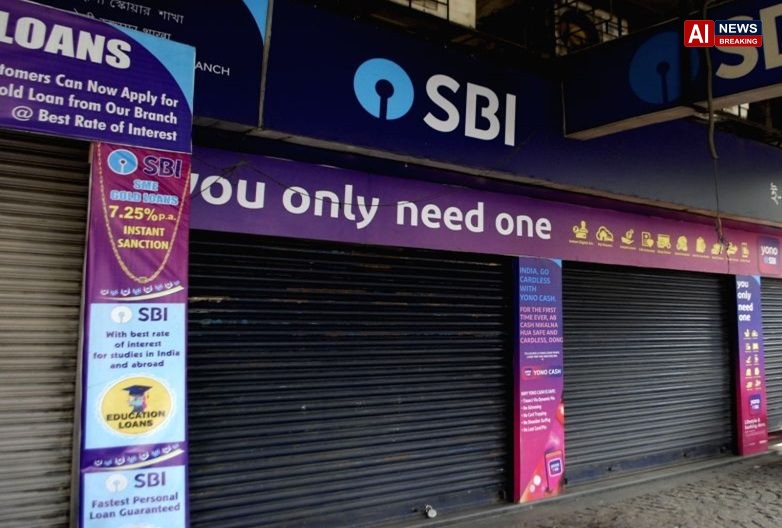
3-Day Bank Strike From September 28: SBI, PNB, Bank of Baroda and Other Banks to Face Service Disruptions - AI News Breaking
3day bank strike september:
3‑Day Bank Strike: The banking sector is bracing for a three‑day industrial action that will run from 28 September to 30 September. The strike, called by the United Forum of Bank Unions (UFBU), is intended to press the government for higher wages and better working conditions..
While the union says the walk‑out will be “peaceful and orderly”, the disruption to daily banking operations could have a knock‑on effect for millions of salaried workers who expect their September paychecks to hit their accounts on time. This article unpacks the likely scenarios, explains which banks will stay open and offers practical advice for employees and employers alike. Public sector banks are expected to bear the brunt of the stoppage..
The union represents staff at the State Bank of India, Punjab National Bank, Bank of Baroda and a host of regional rural banks, all of which have confirmed that they will suspend most in‑branch services for the three days. Automated teller machines (ATMs) are likely to continue dispensing cash, but cash‑deposit machines and cheque‑clearing windows will be offline. Consequently, any salary that relies on direct credit into a public‑sector bank account may be delayed until the strike ends, unless the employer has arranged an alternative payment route..
In contrast, the country’s largest private‑sector banks – including HDFC, ICICI, Axis and Kotak – have announced that they will maintain core banking operations throughout the dispute. Their statements stress that online banking, mobile apps and electronic fund transfers will remain functional, and that branches will stay open for essential services. For employees whose salaries are paid into these institutions, the strike should have little impact on the timing of their pay, provided their employers use the usual NEFT/RTGS channels..
The key factor, however, is not just the bank’s classification but the payment method chosen by the employer. Companies that rely on batch processing through a single clearing house may find the system bottlenecked if public‑sector banks are offline. Many large corporates run payroll via a centralised third‑party processor that routes payments to all banks simultaneously; those processors have warned that the strike could force a temporary hold on batches destined for affected banks..
Smaller firms that manually issue cheques or use paper‑based salary runs are even more vulnerable, as cheque clearing will be suspended at the public‑sector institutions. Employees should therefore check the details of their salary credit in advance. If your salary is set to be deposited into a public‑sector bank, ask your HR department whether they will divert the payment to an alternative account, such as a private‑sector bank or a digital wallet, for the three‑day window..
Some employers have already prepared contingency plans, offering to transfer funds to a temporary account or to issue a provisional cash advance. In the absence of such measures, the money may sit in the employer’s ledger until the banks resume normal clearing on 1 October. For those whose pay is already in the pipeline, the Reserve Bank of India (RBI) has issued a temporary directive that allows banks to process “critical salary and pension payments” even during a strike, provided the transactions are pre‑authorised..
This means that if a company submits its payroll file before 27 September, the RBI‑approved banks can clear the credits on the scheduled dates, bypassing the usual settlement queues. However, the directive applies only to payments that have been fully vetted and does not cover ad‑hoc salary adjustments, bonuses or retroactive pay. Pensioners face a slightly different situation..
The majority of government pensions are credited to public‑sector banks, but the pension department has assured retirees that the RBI’s emergency provision covers pension disbursements as “essential payments”. Accordingly, pensions scheduled for 30 September should be credited on time, assuming the employer’s bank has submitted the batch in advance. Nonetheless, retirees who rely on cash withdrawals may encounter longer queues at ATMs, as higher demand is expected while branches remain closed..
The strike also raises concerns for freelancers and gig‑economy workers who depend on instant transfers. Platforms such as Paytm, PhonePe and Google Pay route payments through multiple banking partners, many of which are private institutions. As a result, most digital wallets will continue to function, but users whose linked bank account is a public‑sector bank may see a delay when trying to move funds from the wallet to their bank..
Experts advise keeping a modest balance in a private‑sector account or using the wallet’s own debit card to avoid inconvenience. Small‑business owners are being urged to review their cash‑flow forecasts. The Confederation of Indian Industry (CII) has released a briefing that recommends maintaining an additional liquidity buffer equivalent to at least five days of operating expenses, precisely to navigate unforeseen disruptions like a bank strike..
For businesses that depend heavily on cash deposits – such as retailers and hospitality venues – the temporary suspension of deposit windows at public banks could impede daily reconciliation, forcing them to rely on cash or alternate bank branches. From a regulatory perspective, the RBI has warned that any attempt to force employees to accept cash payments in lieu of bank transfers could breach the Payment and Settlement Systems Act. While the central bank will monitor the situation closely, it has also indicated that it is prepared to intervene if systemic risk emerges, for instance, if a large volume of salary payments stalls and triggers a liquidity crunch in the broader economy..
Such an intervention could involve temporary clearance.
Updated: September 27, 2026
A three‑day strike by public‑sector banks from 28‑30 September threatens to delay salaries and cheques that rely on those banks, though ATMs and digital wallets should stay functional. Private‑sector banks and pre‑authorised payroll batches are expected to process payments on schedule, so employees should confirm their employer’s payment route and consider alternate accounts.
Insight: The strike reveals how entrenched public‑sector banks are still the bottleneck for salary flows, forcing employers to re‑engineer payroll logistics or risk a liquidity squeeze.
It also underscores the growing fragility of a workforce that has come to depend on automated, bank‑centric payments—if those systems falter,