Europe warns of Russia’s hybrid attacks but struggles to counter them
  Former chief election commissioner calls SIR scheme illegal.
  A Corruption Scandal Is Reshaping Brazil’s Presidential Election
  US citizen injured in Illinois after ICE agents mistook him for fugitive, tried to arrest him
  At 10 years old, Smithsonian’s Black museum is undaunted amid pressure from Trump administration
 US Oil Market Relief: Trump Suspends Jones Act for 60 Days Amid Iran Tensions
The Trump administration has suspended the Jones Act for 60 days to ease the strain on the US oil market, allowing foreign vessels to transport oil between US ports and potentially reducing gas prices amid rising tensions with Iran.
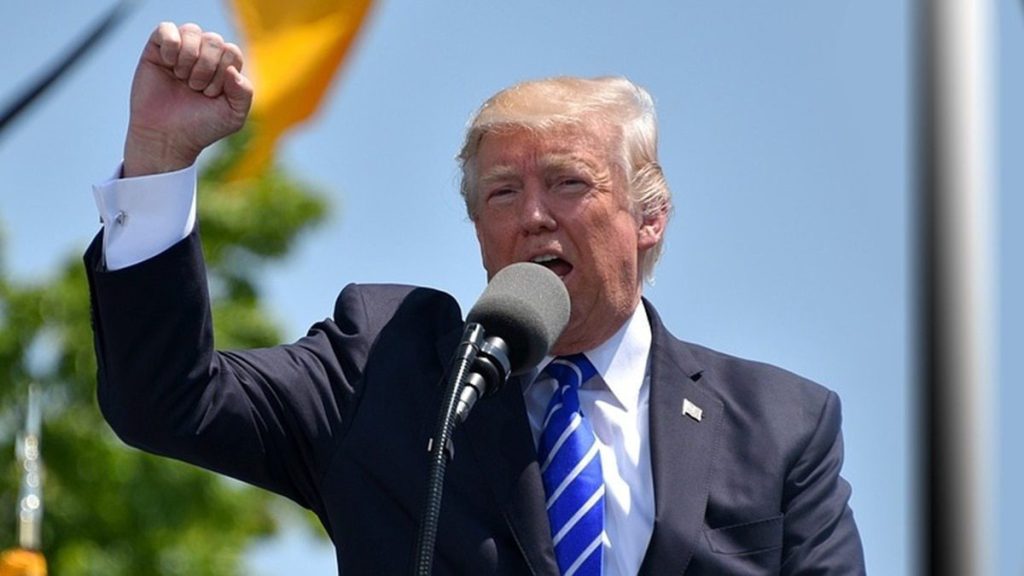
market relief trump suspends:
As the United States grapples with the aftermath of rising tensions with Iran, the Trump administration has made a significant move to ease the strain on the oil market. In an effort to stabilize gas prices and boost the domestic energy supply, President Trump has suspended the Jones Act for 60 days. But what exactly is the Jones Act, and how will this temporary waiver affect the oil industry and consumers?
The Jones Act, also known as the Merchant Marine Act of 1920, is a century-old law that restricts the transportation of goods between US ports to ships that are built, owned, and crewed by Americans. This protectionist policy aims to support the US shipbuilding industry and maintain a strong maritime presence. However, in times of crisis or when the domestic oil supply is under pressure, the law can be waived to allow foreign vessels to contribute to the relief efforts.
The current waiver is intended to increase the supply of oil and reduce prices at the pump. By allowing foreign tankers to transport oil between US ports, the administration hopes to offset the potential shortage caused by the conflict with Iran. With the US already imposing sanctions on Iranian oil exports, the suspension of the Jones Act is seen as a pragmatic move to mitigate the impact on the global energy market.
Despite the potential benefits, the temporary waiver has sparked debate among industry experts and lawmakers. Some argue that the move will have a limited impact on gas prices, while others see it as an opportunity to reexamine the outdated provisions of the Jones Act. As the 60-day suspension takes effect, it remains to be seen whether this measure will provide the desired relief to the US oil market and consumers.
In the broader context, the Trump administration’s decision to suspend the Jones Act highlights the delicate balance between national security, economic interests, and energy policy. As the global landscape continues to shift, the US government may need to reassess its stance on the Jones Act and other protectionist laws to ensure a stable and secure energy supply for the future. The outcome of this temporary waiver will be closely watched by industry stakeholders, policymakers, and consumers alike, as the nation navigates the complexities of the global oil market.