 Nobel Prizes 2026: What to Know
  SI suspended for pointing pistol at flood victim during distribution of relief materials in Bihar’s Saran
  Russian Drone Strike Hits Indian-Owned Pharma Warehouse in Sumy, One Killed
  Trump administration’s proposal could make it easier to suspend or expel Head Start students
  West Bengal bypolls: Nandigram and Rejinagar key candidates, past trends and more
 Trump administration’s proposal could make it easier to suspend or expel Head Start students
**
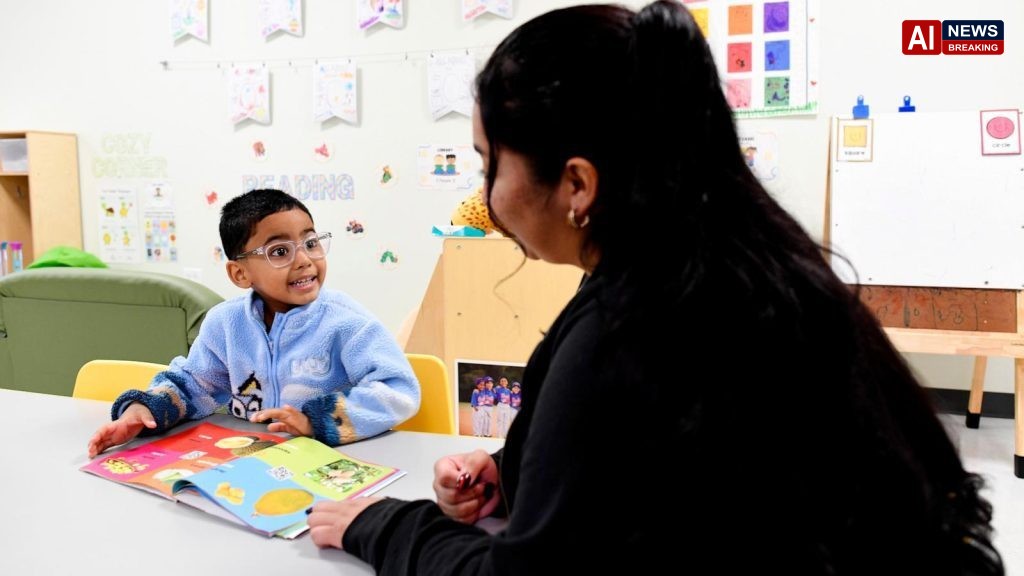
trump administrations proposal could:
Trump administration’s proposal could make it easier to suspend or expel Head Start students The Department of Health and Human Services has unveiled a draft revision to the federal Head Start program’s operating standards, prompting alarm among early‑education advocates. The proposed rule would eliminate the longstanding prohibition that bars Head Start centers from suspending or expelling children for disciplinary reasons. Critics argue that the change undermines the program’s core mission of providing universal, low‑income preschool access, while the administration maintains it simply aligns Head Start with other early‑learning settings..
The revision is now open for public comment until 30 November, a deadline that many families and advocacy groups say is too short to mount an effective response. Under the current regulations, Head Start programs are required to use “positive discipline” techniques and cannot remove a child from the classroom for behavioural issues. The new draft would replace that language with a broader “behavior management” clause, allowing centers to impose temporary suspensions, exclusionary measures, or even permanent expulsion if a child’s conduct is deemed disruptive..
The administration says the shift gives teachers “greater flexibility to maintain safe, supportive learning environments” and brings Head Start in line with the standards applied to private preschools and public schools that receive funding through other channels. Education policy experts warn that the change could disproportionately affect the most vulnerable children, many of whom already face instability at home. “Head Start was created as a safety net for families who cannot afford private preschool and who need consistent early‑learning experiences,” says Dr Linda Morales, a senior researcher at the Center for Early Childhood Policy..
“Allowing suspensions or expulsions introduces a punitive element that runs counter to the program’s intent and could exacerbate educational inequities, especially for children with disabilities or those who speak English as a second language.” Parents of current Head Start enrollees have voiced strong opposition, citing concerns that suspensions could lead to loss of vital services such as health screenings, nutrition, and family support. “My son has ADHD, and we rely on the program’s structure and the staff’s understanding,” says Maria Alvarez, a mother of two who attended a public forum in Washington, D.C. “If the school can just send him home for a day, we lose more than just classroom time – we lose meals, therapy, and the stability his condition demands.” Alvarez and other parents have organized a petition that has already gathered more than 15,000 signatures..
The proposed rule also modifies the reporting requirements for Head Start centers, eliminating the need to document every disciplinary action taken against a child. Proponents argue this reduces administrative burden, but opponents claim it could obscure patterns of exclusion and make it harder for watchdog groups to monitor compliance. “Transparency is essential when we talk about children’s rights,” notes James Whitaker, director of the nonprofit Children’s Justice Alliance..
“If schools no longer have to track or report expulsions, we lose a critical tool for holding them accountable.” Legal scholars point out that the shift may raise constitutional questions. The Supreme Court has long recognized that public schools must provide due process before depriving a child of education. While Head Start is a federally funded program rather than a traditional public school, it still receives substantial government support, and its participants are entitled to certain procedural protections..
“Removing the due‑process safeguards could open the door to arbitrary or discriminatory actions,” warns constitutional law professor Anita Singh of Georgetown University. The administration’s Office of Head Start has defended the proposal by highlighting data that suggest a small but growing number of centers have struggled to manage disruptive behaviour without formal disciplinary tools. A 2023 internal report found that 7 percent of participating programs reported frequent interruptions that hampered instructional time..
The department argues that the current ban on suspensions forces teachers to keep children in classrooms even when safety is compromised, potentially endangering other students. “We are not seeking to punish children,” said Deputy ary for Early Childhood, Karen Liu, “but to equip educators with the necessary options to protect all learners.” Opponents counter that the data do not justify sweeping regulatory change and that alternative strategies—such as increased funding for behavioural specialists, expanded family‑engagement services, and more robust professional development—could address the issue without jeopardising access. The National Head Start Association, which represents over 1,600 programs, has issued a formal statement urging the administration to retain the suspension ban and instead allocate additional resources for teacher training in trauma‑informed practices..
Congressional reaction has been mixed. A bipartisan group of senators introduced a resolution urging HHS to withdraw the draft rule and to conduct a comprehensive impact study before any changes are finalized. Meanwhile, a handful of Republican lawmakers have voiced support, framing the proposal as a matter of parental choice and school safety..
“Parents should have confidence that their children are learning in environments where disruptive behaviour is appropriately addressed,” said Sen. Tom Reynolds (R‑OH), during a recent hearing. If the rule is adopted, the impact could extend beyond the classroom..
Head Start services are often a family’s primary source of health care, nutrition, and early intervention referrals. A suspension that removes a child from the program for even a few days could interrupt these ancillary services, with potential long‑term effects on development and well‑being. Researchers at the University of Michigan’s.
The HHS draft would let Head Start centers suspend or expel children for discipline, sparking sharp backlash from parents and early‑education advocates who fear a hit to essential services and equity. Critics warn the change could erode due‑process safeguards and widen gaps for vulnerable kids, while supporters argue it provides needed flexibility for safer learning environments.
By letting Head Start centers suspend kids, the administration risks turning a safety net into a filter that could deny the very families the program was meant to help. If the rule passes, children who already struggle with stability or disabilities may find themselves cut off from vital meals, health checks, and