Spotify Tightens Family Plan Controls with QR Code Verification
 Use of Chief Minister C. Joseph Vijay’s deep fake videos to collect money: Rajasthan youth moves Madras High Court seeking bail
 Florida officer took possession of man’s home after finding him dead 4 years ago, police say
 Jury weighs fate of US woman who says father forced her into Syria’s war zone when she was a teen
Saudi Arabia Faces More Attacks as It Reels From Airport Strikes
**
Saudi Arabia Faces More Attacks as It Reels From Airport Strikes - AI News Breaking
Saudi Arabia Faces More Attacks as It Reels From Airport Strikes Saudi Arabia’s security forces said they were on high alert this week after a spate of drone and missile assaults that have rattled the kingdom’s critical infrastructure. The latest flare‑up follows a weekend of intense exchanges with Yemen’s Houthi militia, a group backed by Iran, which has stepped up its campaign against Saudi targets in the Red Sea and the Arabian Peninsula. In a statement released on Tuesday, the Ministry of Interior warned that “all necessary measures” were being taken to protect civilians and key facilities, while urging the public to remain calm and follow official safety instructions..
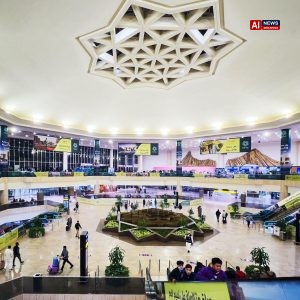
The first of the new attacks struck King Khalid International Airport in Riyadh, where a series of unmanned aerial systems were reported to have approached the airfield’s perimeter before being intercepted by Saudi air defence. While no casualties were confirmed, officials said a small fire broke out on a cargo terminal and that emergency crews contained the blaze within an hour. The airport, a hub for both domestic and international flights, was temporarily shut for commercial operations, prompting airlines to reroute passengers and suspend several flights until further notice..
A second wave of projectiles hit the oil‑rich Eastern Province, where the Saudi Arabian Oil Company (Saudi Aramco) confirmed that a missile landed near one of its processing units at the Ras Tanura refinery. The missile was intercepted by the kingdom’s Patriot missile batteries, but the impact caused a brief shutdown of a secondary unit, leading to a temporary dip in crude output. Aramco’s spokesperson described the incident as “a targeted attempt to disrupt the global energy market” and reassured investors that production would resume at full capacity within 48 hours..
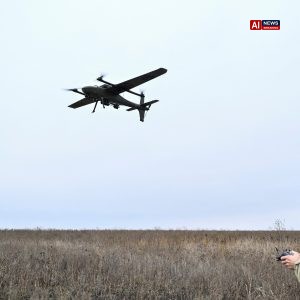
In response, the Saudi Air Force launched a series of retaliatory strikes against what it described as “Houthi launch sites” in the Saada and Marib governorates of Yemen. The air campaign, carried out with F‑15 fighter jets and precision‑guided munitions, reportedly destroyed several missile‑launch platforms and a storage depot for unmanned aerial vehicles. Military officials said the operations were aimed at degrading the militia’s ability to strike Saudi territory, but cautioned that “the conflict remains fluid and further incidents cannot be ruled out.” The Houthi movement, which seized control of large swathes of Yemen’s north in 2014, has increasingly used drone technology to project power beyond its borders..
Analysts note that the group’s growing sophistication – often supplied by Iran’s Revolutionary Guard Corps – reflects a broader strategy to pressure Saudi Arabia over its involvement in Yemen’s civil war. Tehran, however, has publicly offered to mediate the hostilities, positioning itself as a potential peace broker even as it continues to deny direct involvement in the attacks. International reaction has been swift..
The United Nations Security Council convened an emergency session on Wednesday, where the United States, the United Kingdom and several European nations condemned the “unprovoked aggression” against civilian infrastructure. ary of State Antony Blinken urged “immediate de‑escalation” and called on Iran to halt any support for the Houthi militia. Meanwhile, the European Union’s High Representative for Foreign Affairs, Josep Borrell, announced a new round of diplomatic outreach to Riyadh and Sana’a in an attempt to reopen stalled peace talks..
Inside Saudi Arabia, the attacks have sparked a surge of public anxiety, particularly among residents of the oil‑rich regions who fear further disruption to their livelihoods. Markets reacted quickly; the Tadawul, Saudi Arabia’s stock exchange, saw the energy index slip by 1.3 percent, while the Saudi riyal experienced a modest depreciation against the dollar. Economists warn that repeated strikes could erode investor confidence and hamper the kingdom’s ambitious Vision 2030 diversification plans..
The Saudi Ministry of Energy, meanwhile, affirmed that the nation’s strategic petroleum reserves remain intact and that the country’s export commitments to Asia and Europe will be honoured. A senior official told reporters that “our energy infrastructure is resilient, and we have contingency plans that ensure continuity of supply.” The official added that Saudi Aramco has already mobilised additional crews to conduct safety checks on all facilities potentially affected by the recent missile impacts. Humanitarian concerns have also surfaced as the conflict threatens aid routes into Yemen..
The United Nations World Food Programme warned that any further escalation could jeopardise the delivery of essential supplies to millions of Yemenis already facing famine. In a separate statement, the International Committee of the Red Cross called for “unimpeded humanitarian access” and urged both parties to respect international humanitarian law. The broader regional context remains tense..
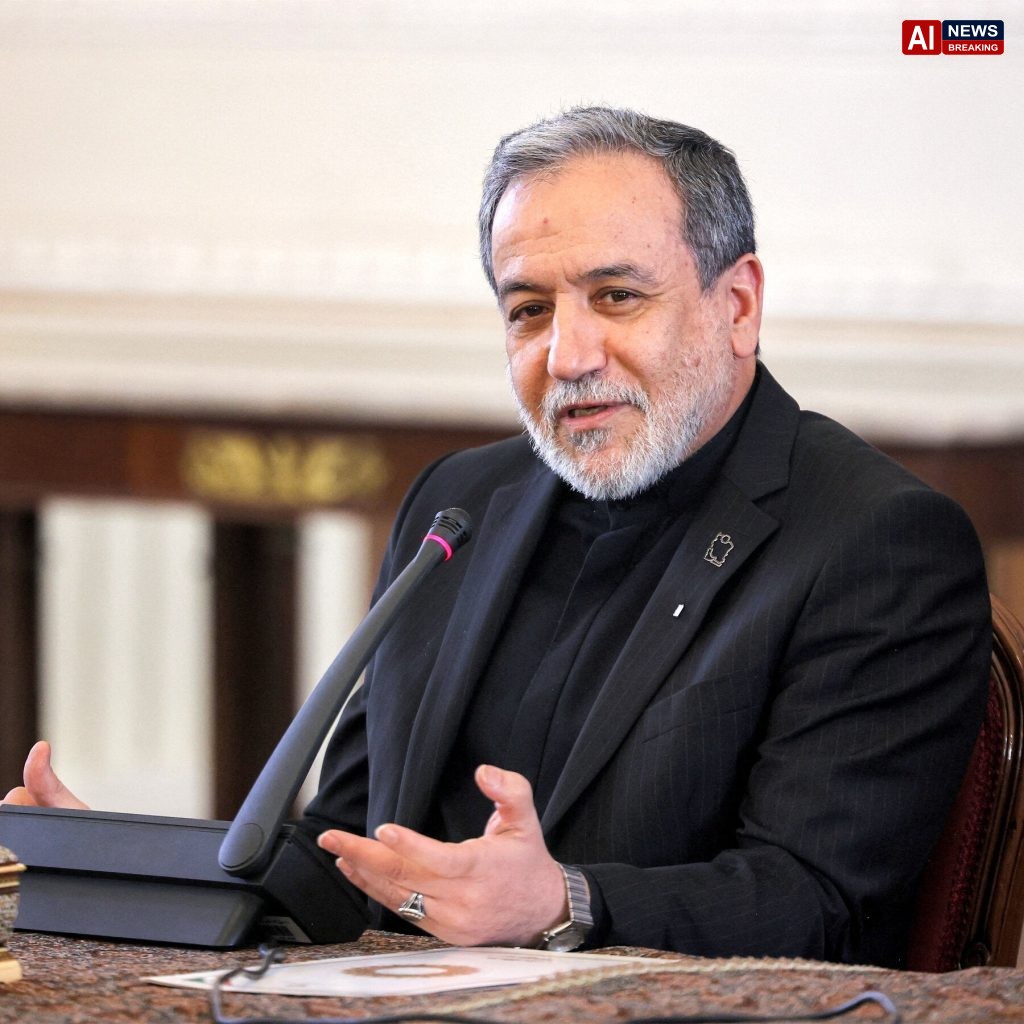
Iran’s foreign minister, Hossein Amir‑Abdollahian, reiterated Tehran’s willingness to act as a mediator, but also accused Saudi Arabia of “aggressive policies” that fuel the conflict. In turn, Riyadh’s foreign ministry dismissed the claim, accusing Iran of “fueling instability through its proxy forces.” The diplomatic tug‑of‑war underscores the delicate balance of power in the Gulf, where sectarian rivalries and strategic interests often intersect with commercial imperatives. On the ground, Saudi security forces have intensified patrols around critical sites, including airports, oil refineries and major seaports..
The Ministry of Interior announced the deployment of additional rapid‑response units equipped with the latest electronic‑warfare tools to detect and neutralise hostile drones before they can reach their targets. Citizens have been urged to report suspicious activity and to adhere to curfews imposed in certain neighborhoods as a precautionary measure. As the kingdom braces for possible further assaults, analysts.
The surge of Houthi‑backed strikes threatens to turn Saudi Arabia into a volatile security hub, risking investor confidence and undermining its Vision 2030 agenda. Unless a credible diplomatic solution emerges, the kingdom’s continued militarization of civilian infrastructure may provoke a self‑reinforcing cycle of escalation that spills over into the broader Gulf region.