 Ambush of Salvadoran Soldiers Escalates Haiti’s Anti-Gang Mission
 Oil prices extend rally to near six-month high amid Houthi attacks on Saudi Arabia
 Arraial’s evangelical voters back Bolsonaro
 Kerala High Court rejects petition to halt reconstitution of State Waqf Board.
**
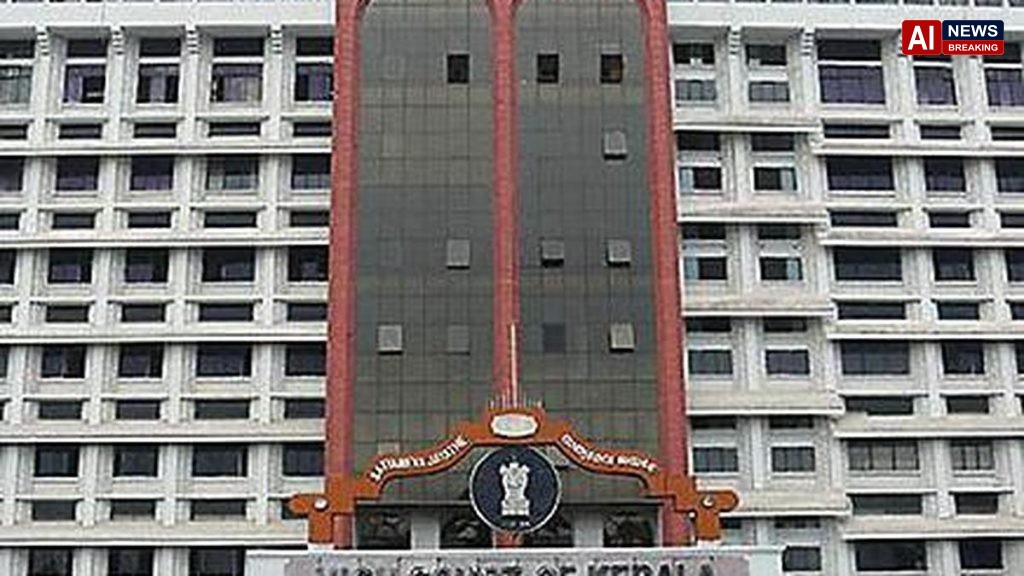
Kerala HC Division Bench refuses to stay reconstitution of State Waqf Board - AI News Breaking
The Kerala High Court’s division bench on Monday rejected a petition seeking to halt the state government’s decision to reconstitute the Kerala State Waqf Board, upholding a prior single‑bench order that had declined to grant a stay. The matter, which had been thrust into the spotlight following a series of legal challenges to the board’s composition, now moves forward under the revised administrative structure announced by the government in early March.The petitions were filed by a consortium of former board members and a number of community organisations, who argued that the reconstitution process violated procedural safeguards prescribed under the Waqf Act, 1995, and that it was being undertaken without proper consultation with the Muslim community. Their submissions contended that the state’s move to replace several incumbent members with new appointees amounted to an arbitrary exercise of power, potentially undermining the board’s autonomy and the proper management of waqf properties across Kerala.In its written order, the division bench, comprising Justice K..
Radhakrishnan and Justice P. Nair, observed that the petitioners had not demonstrated any prima facie case of illegality or jurisdictional overreach that would warrant the extraordinary remedy of a stay. The judges noted that the reconstitution was undertaken under the provisions of Section 13 of the Waqf Act, which empowers the state government to appoint, remove or re‑appoint members of a state waqf board after due consideration..
The court stressed that the decision, being an administrative one, fell within the ambit of executive discretion, provided that the statutory guidelines were observed.The bench also referred to earlier judgments of the Supreme Court, which have clarified that courts may intervene in the functioning of waqf boards only when there is a clear breach of statutory duties or evidence of malfeasance. In the present case, the court found no material to suggest that the board had been involved in mismanagement of assets or that the new appointments were motivated by political patronage. Consequently, the bench deemed the petitioners’ allegations insufficient to merit an injunction that would freeze the reconstitution process.The state’s reconstitution plan, disclosed in a press release on March 3, outlined the removal of seven out of the twelve existing members and the appointment of five new members, including two scholars of Islamic law, a senior lawyer, an ex‑civil servant, and a representative from a charitable trust..
The government justified the changes on the grounds of “enhancing efficiency and ensuring broader representation of the diverse Muslim community in the state.” It further asserted that the new board would be tasked with a comprehensive audit of waqf properties, many of which have been flagged for encroachments and irregularities in recent years.Critics, however, have warned that the restructuring could dilute the influence of traditional custodians who have historically overseen waqf affairs. The All‑Kerala Waqf Forum, representing a segment of the community, released a statement after the hearing, saying that the new composition “does not reflect the grassroots realities of waqf management” and that the process “sidestepped meaningful engagement with stakeholders.” The forum called for a transparent selection mechanism and for the court to intervene if the board’s independence is compromised.Legal experts familiar with the case point out that the High Court’s decision aligns with a broader trend of judicial restraint in matters concerning religious endowments. Abdul Karim of the National Law School, Bengaluru, noted that while the judiciary has a duty to protect minority rights, it must also respect the separation of powers, especially when statutory provisions grant the executive a clear mandate..
“The court’s role is to ensure that the law is applied correctly, not to substitute its own view of how a waqf board should be constituted,” he said.The ruling, however, does not close the door on further scrutiny of the board’s functioning. The petitioners retain the option to file a fresh challenge on the merits of the reconstitution, provided they can produce concrete evidence of procedural lapses or violations of the Waqf Act. In the meantime, the state government has indicated that it will proceed with the induction of the new members within the next two weeks, followed by a series of stakeholder meetings aimed at addressing the concerns raised by community groups.The Kerala State Waqf Board, established under the Waqf Act to manage religious endowments, oversees a portfolio of assets estimated at over Rs 1,200 crore, including mosques, madrasas, and charitable institutions..
Over the past decade, the board has faced criticism over alleged encroachments, misallocation of funds, and a lack of transparency in its audit processes. The reconstitution is thus seen by the government as an opportunity to inject fresh expertise and to implement a systematic review of the board’s asset base, potentially unlocking resources for community development projects.As the reconstituted board prepares to take charge, observers will be watching closely to see whether the promised reforms materialise in practice. The next phase will involve the appointment of a chief executive officer, the formation of audit committees, and the initiation of a digitisation drive for waqf records, all of which have been highlighted in the government’s roadmap..
If successful, the overhaul could set a precedent for other states grappling with similar governance challenges in their waqf institutions. If not, the dissenting voices within the community may renew legal challenges, potentially drawing the courts back into the arena.The High Court’s decision, therefore, marks a procedural waypoint rather than a final verdict on the broader issues of waqf governance in Kerala. It underscores the delicate balance between respecting statutory authority and safeguarding the rights of a religious minority, a balance that will continue to be tested as the new board embarks on its mandate..
Updated: October 23, 2026
Kerala’s high court dismissed a petition challenging the state’s overhaul of the Kerala State Waqf Board, finding no prima facie breach of the Waqf Act and affirming the government’s authority to re‑appoint members. The ruling clears the way for the new board’s composition and upcoming reforms, though critics warn the changes may sideline traditional custodians and could face fresh legal scrutiny.
Kerala’s high court is drawing a line between legal formality and community trust, signaling that procedural compliance alone won’t guarantee legitimacy for the re‑engineered waqf board.
If the new appointees fail to translate “broader representation” into transparent, grassroots‑driven reforms, the