 New York’s archdiocese and survivors of clergy abuse agree to $800 million legal settlement
 ‘SNL U.K.’ Weekend Update Tackles Meghan Markle Dad Allegations, James Bond Auditions and ‘Glee’ Reboot
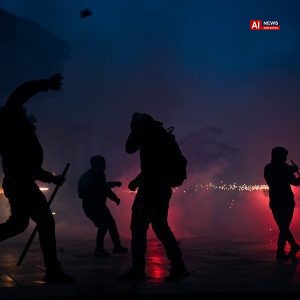
 Albanian protests erupt
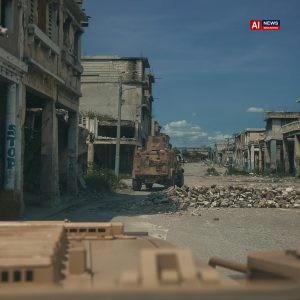
 Haiti authorities identify bodies of four Salvadoran soldiers
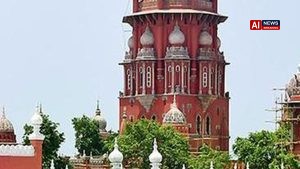
 Life convicts can avail 40 days of annual leave in two instalments, rules Madras High Court
Albanian protests erupt
**
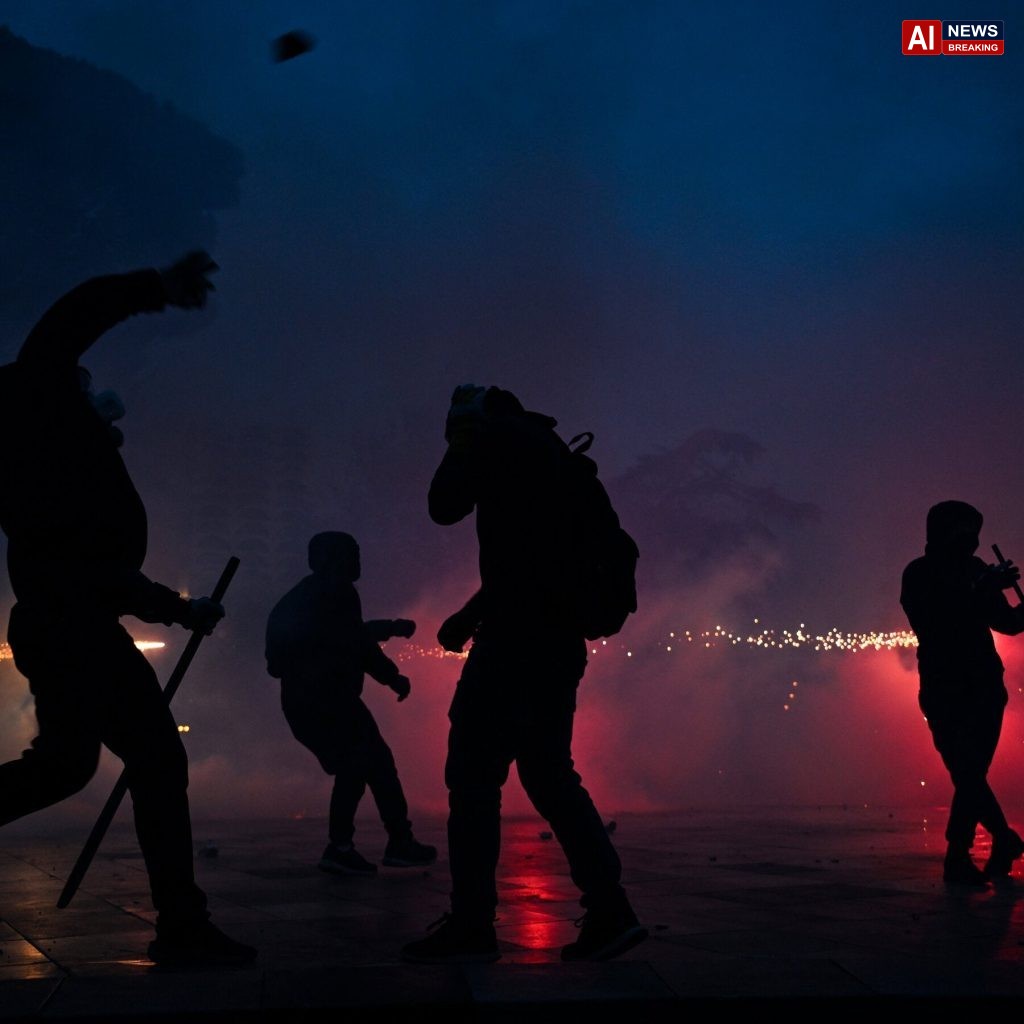
Violent Protests Resurface in Albania: What to Know - AI News Breaking
Thousands of students, workers, and ordinary citizens have taken to the streets of Tirana and other Albanian cities in a series of violent protests that have once again captured international attention. The demonstrations, which began in late February and have continued sporadically into late March, centre on a range of grievances that span the political spectrum. While the protests have at times been peaceful, clashes with police, looting of government offices, and vandalism of private property have punctuated the movement, raising concerns about the potential for a broader civil conflict.The root causes of the unrest lie in a confluence of economic hardship, perceived political corruption, and a specific policy proposal that has inflamed nationalistic sentiments..
Albania’s inflation rate has surged to the high teens over the past year, pushing the cost of living beyond the reach of many households. A significant proportion of the workforce is engaged in the informal sector, where wages are low and job security is minimal. In addition, public services such as education and healthcare have suffered from chronic underfunding, leading to long waiting lists and overcrowded classrooms.The immediate trigger of the recent wave of protests was the announcement that the Albanian government had entered into a memorandum of understanding with a private investment group that is believed to be backed by the American political figure Jared Kushner..
The deal, which involves a large-scale infrastructure project in the capital’s eastern district, has been criticised as favouring foreign interests at the expense of local communities. Critics argue that the project will displace thousands of residents, damage the environment, and lead to a new wave of elite-driven development that mirrors the policies of the United States in the post‑war era. Proponents, however, claim that the investment is essential for modernising Albania’s transport network and creating jobs.The student movement, which has emerged as the most visible component of the protest, began with a call for an overhaul of the national education system..
University students, who are organised under a loose coalition of student unions, have demanded increased funding, the appointment of independent curriculum committees, and a cap on tuition fees. The government’s response has been to refuse to set a new budget for education until a parliamentary vote is held, a decision that has been widely interpreted as a betrayal of the country’s youth.In addition to the education protests, a wider labour movement has coalesced around the cost‑of‑living crisis. Trade unions have called for an increase in the minimum wage, a wage that is currently pegged to a figure that is roughly 20 per cent lower than the European Union average..
While the Albanian parliament has voted to increase the minimum wage by 5 per cent in a bid to appease the demonstrators, the move was rejected by a majority of workers, who argue that the increase does not keep pace with inflation and that it fails to address the underlying structural issues within the labour market.The violence that has erupted during the protests has been a source of concern for both local and international observers. Police forces have deployed tear gas, rubber bullets, and, in some instances, live ammunition against demonstrators. In retaliation, some protest groups have broken into government buildings, including the Ministry of Finance, and set fire to public offices..
While the Albanian government has pledged to investigate the incidents, a comprehensive report is unlikely to be released in the near term due to the chaotic nature of the protests and the difficulty of accessing key sites.The role of social media in organising the protests has been significant. Telegram and Instagram have been used as platforms for real‑time coordination and for the dissemination of footage that captures the intensity of the clashes. These images have sparked a debate about the influence of digital platforms on civic engagement in Albania and have highlighted the need for a robust regulatory framework to prevent the spread of misinformation and the incitement of violence.The international community has responded with caution..
The European Union, which has been working with Albania on a path to membership, has called for a “return to dialogue” and for both sides to “respect the rule of law.” The United States, while expressing concern over the safety of its citizens in the region, has emphasised the importance of free speech and democratic participation. Meanwhile, the United Nations has issued a statement urging all parties to respect human rights and to avoid the use of force against civilians.Albania’s political leadership has struggled to find a consensus solution. President Ilir Meta has called for a national dialogue that would include representatives from all stakeholder groups..
Prime Minister Edi Rama, however, has been criticised for his perceived failure to engage in substantive negotiations and for his continued emphasis on maintaining order through police action. The opposition parties, many of which have called for a boycott of the upcoming parliamentary elections, have used the protests as a platform to call for a comprehensive reform of the political system.Looking ahead, the prospects for a resolution to the current crisis remain uncertain. While some elements within the government have indicated a willingness to make concessions on the cost‑of‑living and educational reforms, the political cost of doing so may be high..
The protests have deep fractures in Albanian society that go beyond a single issue and will likely require a sustained, multi‑dimensional approach to address.In the meantime, Albanian citizens are faced with the immediate reality of living under a climate of uncertainty. As the country navigates the fragile balance between maintaining public order and addressing the legitimate demands of its population, the international community will likely keep a close watch on the unfolding events. The situation remains fluid, and any shift in political will or public sentiment could alter the trajectory of the protests and the future of Albanian governance..
Updated: October 24, 2026
Insight: Albania’s unrest exposes a fragile trust economy: people see the state as a gatekeeper that sells their futures to foreign interests while ignoring basic needs.
If dialogue stalls, the simmering anger could evolve into a broader challenge to the regime’s legitimacy, forcing a hard‑talk reform—or risking a