Europe warns of Russia’s hybrid attacks but struggles to counter them
  Former chief election commissioner calls SIR scheme illegal.
  A Corruption Scandal Is Reshaping Brazil’s Presidential Election
  US citizen injured in Illinois after ICE agents mistook him for fugitive, tried to arrest him
  At 10 years old, Smithsonian’s Black museum is undaunted amid pressure from Trump administration
 UK Condemns Iran Missile Strike on Diego Garcia Base as Britain Warned It Is Being ‘Dragged Into War’ Amid Escalating Middle East Conflict
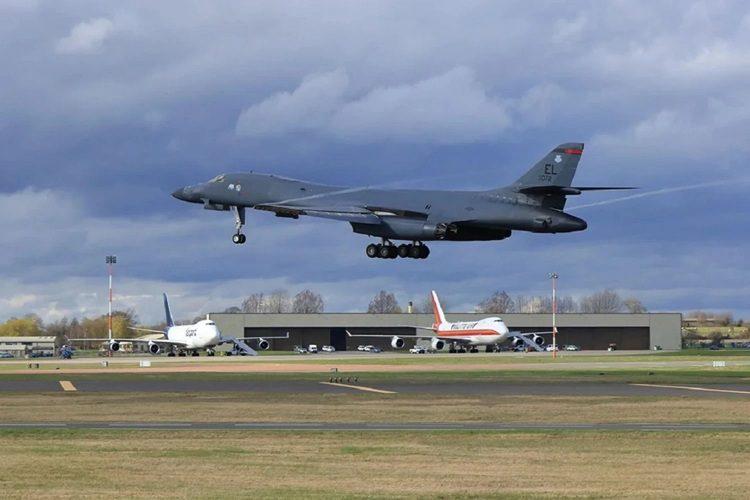
The United Kingdom has sharply condemned Iran after ballistic missiles were launched toward a joint UK-US military base on Diego Garcia, marking a dramatic escalation in the already volatile Middle East conflict. The incident has not only intensified global tensions but has also sparked fierce political debate in Britain, with critics warning that the country is being “dragged” into a wider war.
The British Ministry of Defence (MoD) described the Iranian missile launches as “reckless” and dangerous, emphasizing that such actions threaten international stability and could widen the scope of an already expanding conflict. The attack, though unsuccessful, signals a significant shift in Iran’s military posture and highlights the increasing risks faced by Western nations involved in the region.
Missile Attack on Diego Garcia: What Happened
According to multiple reports, Iran fired two intermediate-range ballistic missiles targeting the strategically critical Diego Garcia base in the Indian Ocean. The base is jointly operated by the United States and the United Kingdom and serves as a key hub for military operations across the Middle East, South Asia, and parts of Africa.
However, both missiles failed to hit their intended target. One missile was intercepted mid-air by a US warship, while the other malfunctioned during flight and never reached the base.
Despite the lack of physical damage, the attack has been widely interpreted as a symbolic escalation by Iran, demonstrating its willingness to strike at Western military infrastructure far beyond its immediate region.
Experts note that Diego Garcia’s remote location—over 2,000 miles from Iran—makes it a highly significant target. The attempt suggests Iran’s missile capabilities may extend farther than previously believed, raising concerns among defense analysts and global policymakers.
Why Diego Garcia Matters Strategically
Diego Garcia is not just another military outpost; it is one of the most strategically important bases in the world. The island hosts advanced airfields, naval facilities, and logistical support systems used by US and UK forces.
The base has historically been used to launch long-range bomber missions, support naval deployments, and coordinate intelligence operations. Its central location in the Indian Ocean allows rapid response to crises across multiple regions, including the Persian Gulf and East Africa.
The attempted strike on such a critical installation underscores the seriousness of the current conflict and signals that no strategic asset is beyond reach.
UK Government Response: Strong Condemnation
The UK Ministry of Defence wasted no time in condemning the attack. Officials labeled Iran’s actions as “reckless aggression,” warning that such moves could destabilize the region further and endanger lives.
Prime Minister Keir Starmer, who has been under mounting pressure over his handling of the crisis, reaffirmed that the UK’s involvement remains defensive in nature. The government insists that its cooperation with the United States is aimed at protecting international shipping routes and preventing further escalation.
A spokesperson emphasized that the UK will continue to support its allies while prioritizing the safety of British personnel and assets.
Why Iran Targeted the Base
The missile strike did not occur in isolation. It came shortly after the UK authorized the United States to use British military bases for operations targeting Iranian missile systems threatening shipping routes in the Strait of Hormuz.
This decision marked a significant policy shift by the UK government, which had previously been cautious about deeper involvement in the conflict.
Iran strongly criticized the move, accusing Britain of enabling aggression and warning of potential retaliation. Iranian officials argued that allowing US forces to operate from UK bases effectively made Britain a participant in the conflict.
The missile launch appears to be a direct response to that decision—a message from Tehran that it is willing to retaliate against nations supporting US military actions.
“Britain Being Dragged Into War” – Political Fallout
The incident has triggered intense political debate within the UK. Conservative leader Kemi Badenoch has been among the most vocal critics, warning that Britain is being “dragged into” a war it did not start.
She argued that the government’s actions—particularly allowing US operations from British bases—have increased the risk of retaliation and placed British lives in danger.
Badenoch also criticized the Prime Minister for what she described as a lack of transparency, accusing the government of failing to promptly inform the public about the missile attack.
Other opposition parties have called for parliamentary approval before any further escalation, insisting that decisions of such magnitude require broader democratic oversight.
Growing Domestic Pressure on the UK Government
The missile incident has intensified scrutiny on Prime Minister Starmer’s foreign policy decisions. Critics argue that the UK has shifted from a cautious stance to active involvement without sufficient public debate.
There are growing concerns about:
- The legal basis for allowing US strikes from UK bases
- The risk of retaliatory attacks on British territory or assets
- The potential economic consequences of a prolonged conflict
A Cobra emergency meeting is reportedly being planned to address both security and economic implications arising from the escalating situation.
Global Reactions and Rising Tensions
The international community has reacted with alarm to the latest developments. A coalition of more than 20 countries has issued a joint statement condemning Iran’s actions and warning of broader consequences if hostilities continue.
Meanwhile, the conflict continues to intensify across the Middle East:
- Israel has increased its strikes on Iranian targets
- Iran has launched missiles and drones across multiple regions
- US forces remain actively engaged in defensive and offensive operations
The situation has already resulted in significant casualties and widespread displacement, with millions affected by the ongoing violence.
A Wider War Already Underway
The missile strike on Diego Garcia is part of a broader conflict that has rapidly expanded in recent weeks. What began as targeted military actions has evolved into a multi-front war involving several countries and non-state actors.
Iran has previously launched attacks on US and allied positions in Bahrain, Jordan, and other locations, demonstrating its capacity to operate across a wide geographic area.
At the same time, US and Israeli forces have conducted strikes on Iranian military infrastructure, including nuclear-related facilities.
This cycle of action and retaliation has created a highly volatile environment, with each new incident increasing the risk of a full-scale regional war.
Military Implications: A Dangerous Escalation
From a military perspective, the attempted strike on Diego Garcia represents a significant escalation in several ways:
1. Extended Range Capabilities
Iran’s ability to target a base thousands of miles away suggests advancements in missile technology or operational reach.
2. Strategic Messaging
Even though the attack failed, it sends a clear signal that Iran is willing to challenge Western military dominance.
3. Increased Risk to Global Assets
Critical infrastructure and military installations worldwide may now be considered potential targets.
Defense experts warn that such developments could trigger a broader arms race and increase the likelihood of miscalculation.
Economic Impact: Threat to Global Trade
One of the most immediate concerns is the potential disruption to global trade, particularly through the Strait of Hormuz—a vital shipping route for oil and gas.
Any escalation in the region could:
- Drive up global oil prices
- Disrupt supply chains
- Impact economies worldwide
The UK’s involvement in protecting shipping routes underscores the importance of maintaining stability in this critical area.
Public Opinion in the UK
Public sentiment in the UK appears divided. While some support the government’s stance in backing allies and protecting international interests, others are wary of becoming entangled in another prolonged conflict.
Recent surveys suggest a significant portion of the British public opposes deeper involvement in the war, reflecting concerns about:
- Military casualties
- Economic costs
- Long-term geopolitical consequences
The government now faces the challenge of balancing strategic commitments with domestic political realities.