Indonesia denies foreign claim to rescued orangutans
 Turkey hosts COP31 climate talks in Antalya.
 Pope meets Argentine bishops.
 APOD: 2026 November 8 – Major Fireball Meteor
 Indonesian Horror Hit ‘Pabrik Gula’ Gets 2028 Sequel as MD Entertainment Lines Up Three Imax Films
Cabinet approves 25,473 crore package across four sectors
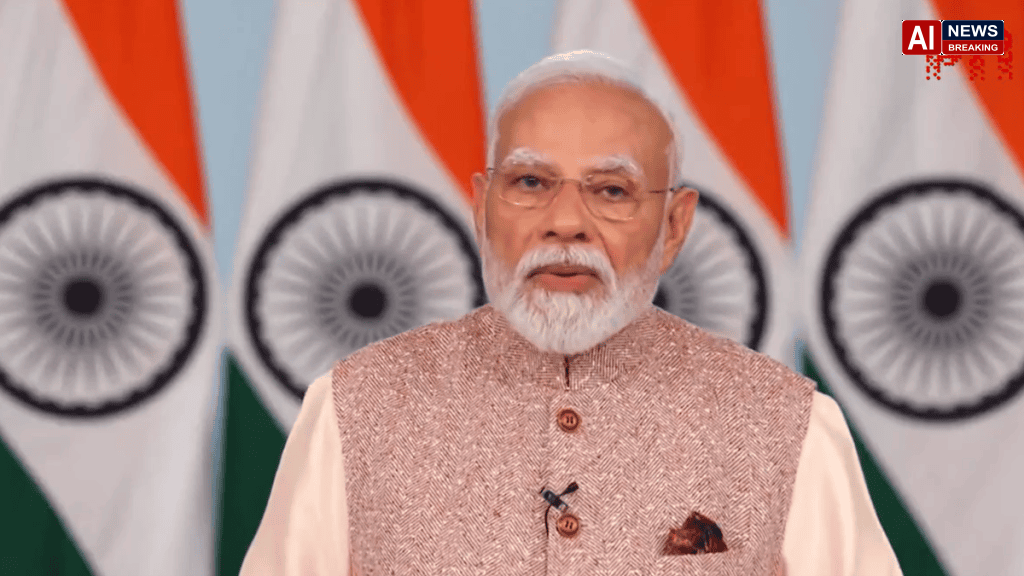
India-France relations have reached new heights: PM Modi - AI News Breaking
cabinet approves 25473 crore:
The government’s most recent cabinet meeting saw the approval of a substantial financial package amounting to ₹25,473 crore, earmarked for development across four key sectors. This allocation is part of the broader fiscal strategy aimed at accelerating growth, creating jobs, and enhancing infrastructure in a period of economic uncertainty.The package is divided among four distinct areas: the agricultural sector, digital infrastructure, renewable energy, and rural transport. Each segment reflects the administration’s priority to address long‑standing gaps and to boost productivity where it can have the most immediate impact on the economy and the citizenry.Agriculture, which continues to employ a large share of India’s population, is the largest beneficiary with an allocation of ₹8,500 crore..
The funds will be used to upgrade irrigation facilities, provide subsidised high‑yield seeds and to launch a digital platform that connects farmers directly with markets. By cutting the middleman and improving price discovery, the government hopes to raise farmers’ incomes and reduce post‑harvest losses.Digital infrastructure, another high‑profile beneficiary, receives ₹7,300 crore. This money will go to expand broadband connectivity to underserved regions, support the rollout of 5G networks and invest in cybersecurity measures..
The push for a nationwide digital ecosystem is seen as critical for maintaining competitiveness, especially as the global technology landscape evolves at a rapid pace.Renewable energy is allocated ₹5,200 crore, targeting the development of wind and solar projects in both rural and urban settings. The policy aligns with India’s commitment to achieve 450 megawatts of new renewable capacity by the end of the year and to reduce its carbon footprint. By prioritising renewables, the government intends to diversify its energy mix and lessen the nation’s dependence on imported fuels.Rural transport, the smallest of the four, is set to receive ₹3,573 crore..
This will fund the construction and rehabilitation of roads and the procurement of modern public transport vehicles for villages and small towns. Improved connectivity is expected to stimulate local economies, facilitate access to education and health services and ease the movement of goods.In addition to the sectoral funding, the cabinet decided to extend the Second Tour of Duty for Agniveers recruited under the Agnipath scheme by two years. The Agnipath programme, which aims to streamline military recruitment by offering short‑term contracts, has drawn both support and criticism..
Extending the second tour is intended to provide continuity within the armed forces and to enable recruits to acquire a broader range of skills before transitioning to civilian life.The decision to extend the Agnipath tour comes amid concerns that the current contract length may not adequately prepare recruits for post‑service employment. By allowing a longer period of service, the military hopes to improve the quality of training, increase operational readiness and provide a more stable career pathway for young servicemen and women. The government has assured that this extension will not compromise the programme’s original goal of maintaining a lean and professional army.Cabinet spokesperson Ramesh Sharma emphasised that the package’s overarching objective is to create a more resilient economy..
“These allocations are not merely fiscal outlays; they are investments in our future,” he said. “By focusing on agriculture, digital infrastructure, renewables and rural transport, we are tackling multiple levers of growth at once.”Opposition leaders, however, have raised questions about the distribution of funds. Critics argue that the package could have been better balanced, particularly calling for a larger share for education and healthcare..
“While the government advertises progress, the real beneficiaries are still the middle class and the affluent,” said opposition leader Ananya Mukherjee. “The allocation to healthcare and education remains alarmingly low.”The Ministry of Finance, which presented the draft budget to the cabinet, defended the allocations as carefully calibrated. “We have conducted a comprehensive cost‑benefit analysis for each sector,” the finance minister explained..
“The allocations are designed to maximize output while ensuring fiscal sustainability.” He further noted that the government remains committed to maintaining a deficit target of 4.5% of GDP for the fiscal year.Observers have pointed out that the 25,473‑crore package is modest relative to the country’s total GDP. Yet, analysts argue that the focus on high‑impact sectors could offset the relatively small size of the package. “When the money is spent efficiently in critical infrastructure and productive capacity, it can have a multiplier effect that outstrips the nominal amount,” said economist Dr..
Shalini Desai of the Institute for Fiscal Studies.The cabinet’s decision is part of a larger fiscal framework that includes a 5% increase in the overall tax revenue target for the year. The government aims to achieve this through a mix of broadening the tax base, tightening compliance and enhancing digital tax collection. The dual strategy of increasing revenue and strategically deploying capital is seen as a balanced approach to address both immediate and long‑term fiscal pressures.In the days following the cabinet’s decision, the Ministry of Defence released a statement outlining the specifics of the Agnipath extension..
The statement clarified that the two‑year extension would be available to all current Agniveers who complete their first tour of duty, thereby ensuring a seamless transition to the second tour. It also detailed plans to increase support services for recruits, including career counselling and skill development programmes that align with the civilian labour market.The extension of the Agnipath programme will also have implications for defence procurement. By extending the service period, the military can better justify investments in advanced technology and training infrastructure..
This, in turn, is expected to improve operational effectiveness and reduce long‑term costs associated with rapid turnover of personnel.Public reaction to the cabinet’s decisions has been mixed. In urban centres, many citizens welcomed the focus on digital infrastructure, seeing it as a step towards bridging the digital divide. Rural voters, on the other hand, expressed optimism about the transport and agricultural funding, although they remained cautious about the long‑term benefits..
Social media platforms saw a surge in discussion, with many citizens debating the merits of the Agnipath extension and the overall allocation strategy.As the cabinet’s decisions move from policy to implementation, the real test will be how effectively the funds are deployed and whether the intended outcomes are achieved. The government has promised quarterly reviews of the programme, with progress reports to be presented to the parliamentary committees. These reports will provide a measure of transparency and accountability, allowing stakeholders to assess whether the objectives of increased agricultural productivity, digital connectivity, renewable energy generation and rural mobility are being met.In the broader context of India’s economic trajectory, the cabinet’s decision marks a decisive, albeit cautious, effort to stimulate growth in key sectors while maintaining fiscal discipline..
Whether this approach will translate into tangible improvements in living standards remains to be seen, but it does signal a willingness on the part of the government to invest.
Updated: November 4, 2026