Indonesia denies foreign claim to rescued orangutans
 Turkey hosts COP31 climate talks in Antalya.
 Pope meets Argentine bishops.
 APOD: 2026 November 8 – Major Fireball Meteor
 Indonesian Horror Hit ‘Pabrik Gula’ Gets 2028 Sequel as MD Entertainment Lines Up Three Imax Films
Christian representatives meet West Bengal RSS leader over mob attacks on congregations and churches
**
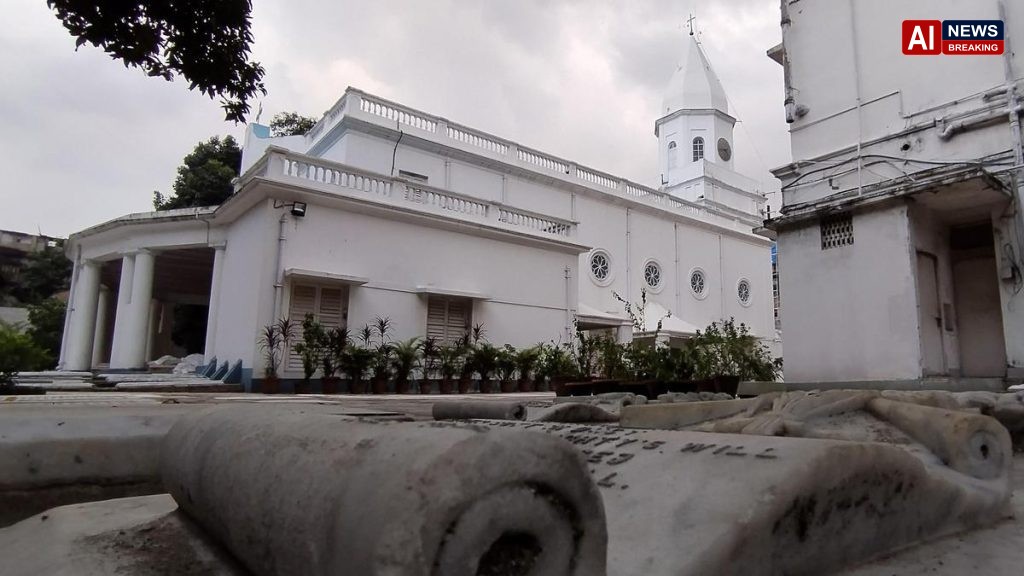
Christian representatives meet West Bengal RSS leader over mob attacks on congregations and churches - AI News Breaking
Christian leaders from a coalition of churches and NGOs met on Thursday with Jishnu Basu, the senior Rashtriya Swayamsevak Sangh (RSS) functionary responsible for the Saha Khetra region of South Bengal, to discuss a spate of mob attacks on Christian congregations that have shaken the state’s eastern districts. The meeting, held at a neutral venue in Kolkata, was described by participants as a “constructive dialogue” aimed at defusing tensions, but it also laid bare deep‑seated mistrust between the two camps. While Basu signalled a willingness to keep channels of communication open, he reiterated the RSS’s longstanding concern over what it terms “forced conversion” and warned that any perceived coercion would continue to be monitored closely.The violence that prompted the talks began in late February, when a group of unidentified assailants stormed the St..
John’s Evangelical Church in the town of Purulia, throwing stones, breaking windows and vandalising holy icons. Similar incidents were reported in the neighbouring districts of Bankura and Paschim Medinipur, where worshippers were threatened with physical harm if they refused to renounce their faith. Local police filed FIRs in each case, but critics say investigations have been sluggish and that the perpetrators have largely evaded prosecution..
Human rights observers have linked the attacks to fringe Hindutva outfits that accuse Christian missionaries of “luring” vulnerable communities with promises of education and health services.Representatives from the West Bengal Christian Association (WBCA), the National Council of Churches in India (NCCI) and the regional office of the International Christian Concern (ICC) arrived at the meeting with a list of demands. They called for immediate police protection for vulnerable congregations, expedited legal action against the attackers, and an end to what they termed “systemic harassment” of Christian institutions. The delegation also sought a formal acknowledgment from the RSS that its ideological stance on conversion had, in their view, contributed to an atmosphere of hostility that emboldened vigilante groups.Basu, who has been the Saha Khetra Prachar Pramukh since 2018, responded by acknowledging the “genuine concerns” raised by the Christian leaders, but he stopped short of admitting any direct responsibility on the part of the RSS..
“Our organization does not condone any form of violence,” he said, “and we are prepared to cooperate with law‑enforcement agencies to ensure that the rule of law is upheld.” He added that the RSS’s primary focus remains the “protection of cultural and religious heritage,” a phrase that has been interpreted by analysts as a veiled reference to the group’s opposition to what it sees as aggressive missionary activity.The conversation turned to the contentious issue of conversion. The RSS has repeatedly warned that “forced conversion” – defined by the organisation as any attempt to change an individual’s faith through inducement or intimidation – undermines social harmony. Basu cited several high‑profile court cases in West Bengal where courts have upheld the right of individuals to choose their religion, but he argued that “coercion, however subtle, is a real threat” that must be addressed..
Christian delegates countered that the majority of conversions in the state are voluntary, often motivated by access to education, healthcare and livelihood opportunities provided by NGOs linked to churches.Legal experts present at the meeting noted that the Indian Constitution guarantees freedom of religion and proselytisation, but also permits states to enact “anti‑conversion” laws if they can demonstrate a pattern of deceitful practices. West Bengal, unlike several other states, does not yet have such legislation, a fact that has fueled debate among policymakers. “Any law that restricts religious outreach must be carefully calibrated so as not to infringe on fundamental rights,” said Dr..
Ananya Mukherjee, a constitutional law professor at the University of Calcutta, who was invited to provide an academic perspective.Police officials, represented by the Superintendent of Police for Purulia, offered a brief overview of the steps taken since the attacks. They claimed to have increased patrols around vulnerable churches, set up a dedicated task force to investigate hate‑motivated crimes, and filed charges against ten suspects identified through CCTV footage and eyewitness accounts. However, the Christian delegation expressed skepticism, pointing out that many of the accused remain at large and that witnesses have faced intimidation when testifying.Observers from civil‑society organisations warned that the dialogue, while welcome, could become a symbolic exercise unless it translates into tangible policy changes..
“We have seen similar meetings in the past where promises were made but not delivered,” said Ramesh Kumar, a senior fellow at the Centre for Social Justice. “What is needed now is a concrete action plan, with timelines, that is monitored by an independent body.” He suggested the formation of a joint oversight committee comprising members from the RSS, Christian groups, the state government and neutral human‑rights experts.The meeting concluded with an agreement to reconvene in six weeks, after each side has had an opportunity to assess progress on the commitments made. Basu pledged to “continue the dialogue” and to convey the concerns of the RSS to the state administration, while the Christian representatives requested that any future discussions be recorded and made public to ensure transparency..
Both parties acknowledged that the broader societal debate on conversion, religious freedom and communal harmony would remain contentious, but they expressed a shared hope that sustained engagement could prevent further bloodshed.In the wake of the talks, the West Bengal chief minister’s office issued a statement urging all communities to “respect each other’s faiths and uphold the constitutional guarantee of religious liberty.” The statement also affirmed the government’s commitment to “swift justice” for the victims of the February attacks. As the state grapples with an increasingly polarized religious landscape, the outcome of this nascent dialogue may serve as a barometer for how India’s pluralistic fabric will navigate the competing pressures of cultural nationalism and minority rights..
Updated: November 5, 2026
Christian leaders and senior RSS official Jishnu Basu met in Kolkata to address recent mob attacks on churches in West Bengal, pledging continued dialogue but underscoring deep mistrust over conversion issues. Police say they have stepped up protection and investigations, while Christian groups demand swift justice and concrete safeguards against further violence.