
 Indonesia denies foreign claim to rescued orangutans
 Turkey hosts COP31 climate talks in Antalya.
 Pope meets Argentine bishops.
 APOD: 2026 November 8 – Major Fireball Meteor
 Indonesian Horror Hit ‘Pabrik Gula’ Gets 2028 Sequel as MD Entertainment Lines Up Three Imax Films
Social media companies must act proactively on child safety, grievances, algorithmic transparency: Vaishnaw
**
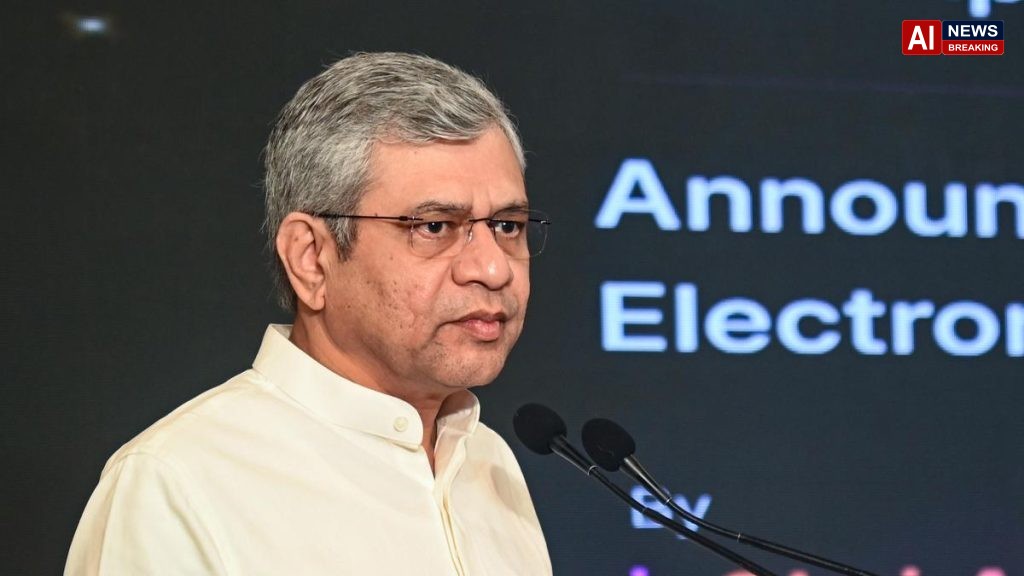
Social media companies must act proactively on child safety, grievances, algorithmic transparency: Vaishnaw - AI News Breaking
The Indian Union Ministry of Electronics and Information Technology has issued a fresh set of directives for social‑media platforms, following a high‑profile meeting in New Delhi where Minister Ashwini Vaishnaw urged firms to adopt a more proactive stance on child safety, user grievances and algorithmic transparency. Speaking to a gathering of industry leaders, regulators and civil‑society representatives, Vaishnaw said the rapid growth of digital services in the country has outstripped existing safeguards, prompting a need for a “good and effective mechanism” that can address complaints directly and swiftly. He emphasised that the responsibility for protecting vulnerable users, particularly children, lies not only with the government but also with the platforms that host user‑generated content.The minister outlined a three‑pronged approach that would see social‑media companies required to set up dedicated child‑safety units, publish detailed reports on content moderation practices, and open up their recommendation engines to external scrutiny..
Vaishnaw cited recent incidents involving minors being to harmful or exploitative material as a clear signal that “the current reactive model is insufficient”. He called for the establishment of real‑time monitoring tools and AI‑driven filters that can flag potentially dangerous content before it reaches a child’s screen, while also respecting freedom of expression and avoiding over‑broad censorship.In addition to child protection, Vaishnaw highlighted the importance of a transparent grievance‑redressal framework. He noted that many users report difficulties in obtaining timely responses when they flag harmful posts or request content removal..
To remedy this, the minister proposed a standardised, platform‑wide system that would log complaints, assign case numbers and guarantee a response within a defined period, preferably 48 hours for high‑priority issues. He also suggested that an independent oversight body could be created to audit the performance of these mechanisms, ensuring that platforms do not merely pay lip‑service to regulatory requirements.Algorithmic transparency formed the third pillar of the minister’s appeal. He warned that opaque recommendation systems can amplify misinformation, polarise public discourse and inadvertently promote harmful content..
Vaishnaw urged companies to disclose the key parameters that drive their feed and suggestion engines, as well as to provide users with clearer options to customise or opt out of certain algorithmic influences. While acknowledging the commercial sensitivities involved, he argued that a balance could be struck through “limited, purpose‑specific disclosures” that would not compromise proprietary technology but would still empower users with meaningful insight into how their online experiences are shaped.The proposals come at a time when India is grappling with a surge in internet penetration, with more than 800 million users now online and a growing proportion of the population under the age of eighteen. Industry analysts have pointed out that the sheer scale of the market makes it difficult for any single regulator to monitor every piece of content, reinforcing the need for platforms to internalise safety obligations..
Vaishnaw’s statements echo earlier calls from the Ministry of Information and Broadcasting, which in 2023 introduced a set of “intermediary guidelines” that placed new duties on digital services providers, including the removal of illegal content within 24 hours of receipt of a court order.Reaction from the tech sector has been mixed. Representatives of major global platforms, including Meta, Google and ByteDance, indicated willingness to collaborate on child‑safety initiatives but expressed concerns about the feasibility of full algorithmic disclosure, citing the risk of gaming the system and the competitive disadvantage it could create. Smaller domestic firms, on the other hand, welcomed the clarity that a uniform grievance‑redressal protocol would bring, arguing that it could level the playing field and enhance user trust across the industry.Civil‑society groups, particularly those focused on child rights and digital literacy, have broadly endorsed the minister’s call for stronger safeguards..
The Internet and Mobile Association of India (IAMAI) released a statement supporting the push for transparent mechanisms but cautioned that any new framework must be accompanied by robust data‑privacy protections. “We must avoid a scenario where increased monitoring leads to unwarranted surveillance of children’s online behaviour,” the statement read, urging the government to strike a careful balance between protection and privacy.Legal experts note that the proposed measures could intersect with existing statutes such as the Information Technology (Intermediary Guidelines and Digital Media Ethics Code) Rules, 2021, and the Protection of Children from Sexual Offences (POCSO) Act. They argue that any new regulatory layer should be integrated seamlessly to avoid duplication and legal ambiguity..
Professor Ranjit Singh of the National Law School, New Delhi, warned that “without clear legislative backing, platforms may resort to token compliance, which could undermine the very objectives the government seeks to achieve.”The minister concluded the session by inviting stakeholders to submit detailed feedback on the draft framework within the next sixty days, after which the Ministry will refine the proposals and seek parliamentary approval. He reiterated that the government’s ultimate goal is to create a digital ecosystem that is safe, accountable and inclusive, where children can explore the internet responsibly and users can trust that their concerns will be heard and addressed promptly.If adopted, the new guidelines could reshape the relationship between Indian regulators and the global tech giants that dominate the country’s social‑media landscape. By mandating proactive child‑safety tools, streamlined grievance channels and a degree of algorithmic openness, the government hopes to set a precedent that other nations might follow..
As the debate unfolds, the balance between protecting vulnerable users and preserving the dynamism that has made India’s digital market one of the world’s fastest‑growing will remain a central point of contention..
Updated: November 6, 2026
Summary: India’s Ministry of Electronics has urged social‑media firms to install child‑safety units, publish moderation reports and expose key algorithm parameters, citing rising concerns over minors’ exposure to harmful content. The minister also proposed a 48‑hour grievance‑redressal system and an independent audit body to enforce rapid responses and accountability across the industry.
India’s push for child‑safety, rapid grievance handling and algorithmic transparency signals a shift from reactive compliance to a regulatory model that could force tech giants to embed safety into their core architecture, raising the bar for global digital governance. Yet, if the measures are couched merely in procedural boxes without enforceable sanctions or clear data‑privacy safeguards, they risk becoming symbolic gestures that could stifle innovation while offering little real protection for the country’s burgeoning youth online.






