Europe warns of Russia’s hybrid attacks but struggles to counter them
  Former chief election commissioner calls SIR scheme illegal.
  A Corruption Scandal Is Reshaping Brazil’s Presidential Election
  US citizen injured in Illinois after ICE agents mistook him for fugitive, tried to arrest him
  At 10 years old, Smithsonian’s Black museum is undaunted amid pressure from Trump administration
 Global Markets Rebound After Donald Trump Softens Iran Strike Threat; Oil Prices Drop, Gains Fade Later
The easing of tensions between the US and Iran has led to a significant recovery in global markets, with oil prices plummeting and government bond yields pulling back, as investors breathe a sigh of relief and markets return to a sense of normalcy.
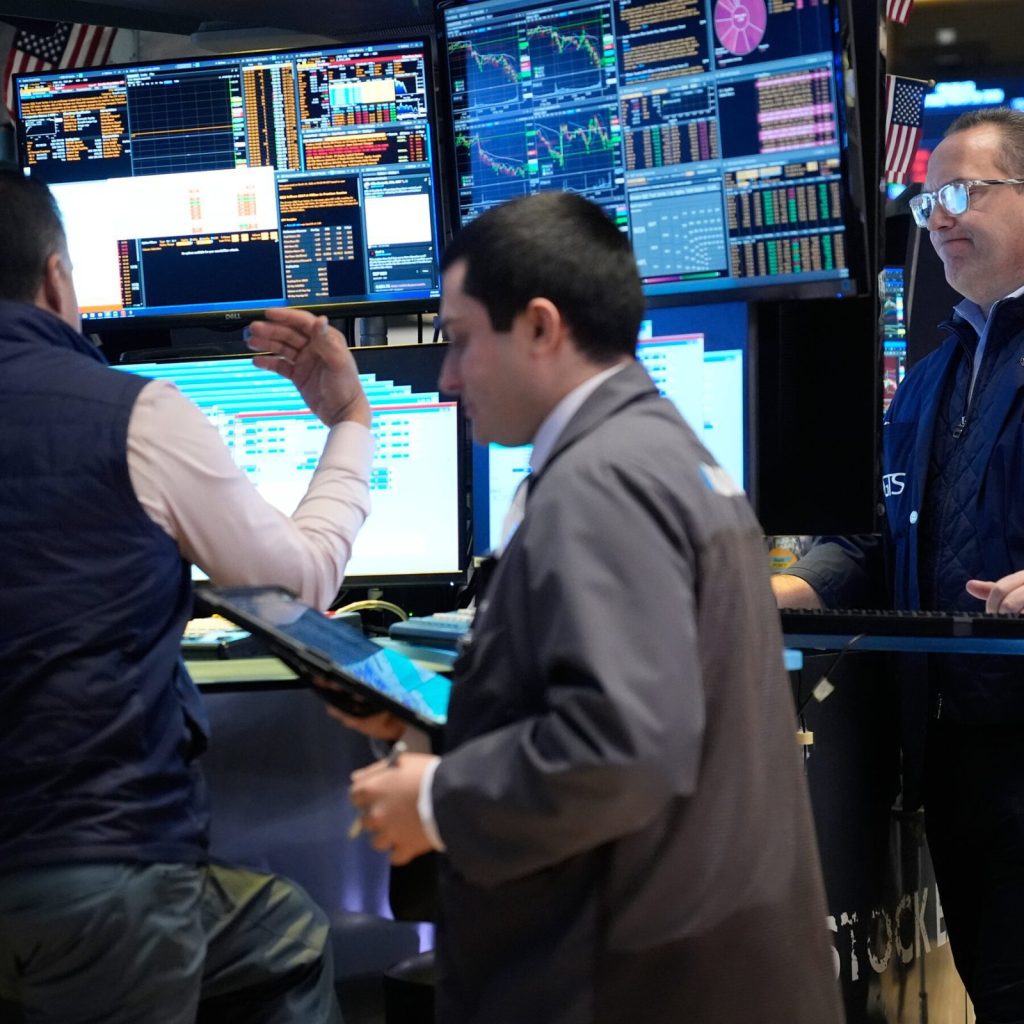
global markets rebound donald:
Stocks Bounce as Trump Backs Off Iran Infrastructure Threat
Global financial markets staged a sharp rebound after Donald Trump signaled a temporary retreat from escalating military action against Iran’s critical energy infrastructure. The shift in tone triggered a rally in equities, a steep drop in oil prices, and a pullback in government bond yields—though the optimism proved short-lived as uncertainty lingered.
Relief Rally Sweeps Global Markets
Markets, which had been under intense pressure due to fears of a wider Middle East conflict, reacted swiftly when Trump announced a pause in planned strikes on Iranian power plants and energy facilities.
- Major U.S. indexes surged:
- Dow Jones rose over 2%
- S&P 500 gained around 2%
- Nasdaq climbed more than 2%
- European markets also rebounded, with key indices posting gains of up to nearly 2%
The rally was driven by renewed investor optimism that the conflict might de-escalate, at least temporarily, reducing the risk of a full-scale energy crisis.
Oil Prices Tumble Sharply
One of the most dramatic reactions came in the oil market.
- Brent crude fell by around 7–9%
- U.S. crude dropped sharply to below $90 per barrel levels
This decline followed weeks of soaring oil prices fueled by fears of supply disruptions, particularly through the strategically vital Strait of Hormuz.
The pause in military escalation eased concerns about immediate damage to oil infrastructure, leading traders to unwind risk premiums that had built up in recent weeks.
Bond Yields Retreat from Highs
Government bond markets also reflected the shift in sentiment.
- Yields on U.S. Treasuries and U.K. government bonds fell
- Investors reduced bets on aggressive interest rate hikes
The drop in yields signals that markets expect less inflationary pressure if energy prices stabilize.
This was a notable reversal from previous sessions, where rising oil prices had pushed yields higher amid fears of persistent inflation.
Why Markets Reacted So Strongly
The reaction highlights how sensitive global markets have become to geopolitical developments—especially those tied to energy supply.
The Iran conflict has already:
- Disrupted oil and gas infrastructure
- Threatened shipping routes
- Pushed energy prices to multi-year highs
By stepping back from direct strikes on infrastructure, Trump effectively reduced the immediate risk of a severe supply shock.
But Optimism Quickly Fades
Despite the initial rally, the positive momentum began to fade as the trading session progressed.
Markets remained cautious due to several unresolved risks:
- The pause in strikes is temporary (reportedly five days)
- Iran has denied meaningful negotiations
- The Strait of Hormuz remains unstable and partially disrupted
Analysts warned that the rebound may reflect short-term relief rather than a fundamental shift in the conflict.
Lingering Uncertainty Keeps Investors on Edge
Even after the market bounce, investors are far from confident.
Key concerns include:
1. Temporary Nature of De-escalation
The pause in military action does not signal a permanent resolution. Any renewed escalation could quickly reverse market gains.
2. Ongoing Energy Supply Risks
Critical infrastructure has already been damaged, and supply chains remain fragile.
3. Inflation and Economic Impact
High energy costs continue to threaten global growth and could keep inflation elevated even if oil prices dip temporarily.
Volatility Likely to Continue
Market experts suggest that volatility will remain high in the coming weeks.
The pattern has become clear:
- Escalation → Stocks fall, oil rises
- De-escalation signals → Stocks rise, oil falls
This cycle reflects a market driven more by headlines than fundamentals, with geopolitical developments dictating short-term direction.
Bigger Picture: A Fragile Market Recovery
While the rebound offers some relief, it does not erase the broader economic risks posed by the ongoing conflict.
Even with falling oil prices:
- Energy markets remain tight
- Supply disruptions persist
- Global growth outlook is uncertain
As a result, the latest rally may prove fragile unless there is a sustained diplomatic breakthrough.