Europe warns of Russia’s hybrid attacks but struggles to counter them
  Former chief election commissioner calls SIR scheme illegal.
  A Corruption Scandal Is Reshaping Brazil’s Presidential Election
  US citizen injured in Illinois after ICE agents mistook him for fugitive, tried to arrest him
  At 10 years old, Smithsonian’s Black museum is undaunted amid pressure from Trump administration
 Centre Convenes All-Party Meeting as West Asia Tensions Escalate, LPG Crisis Fears Rise; PM Modi to Address Parliament on Energy and Security Impact
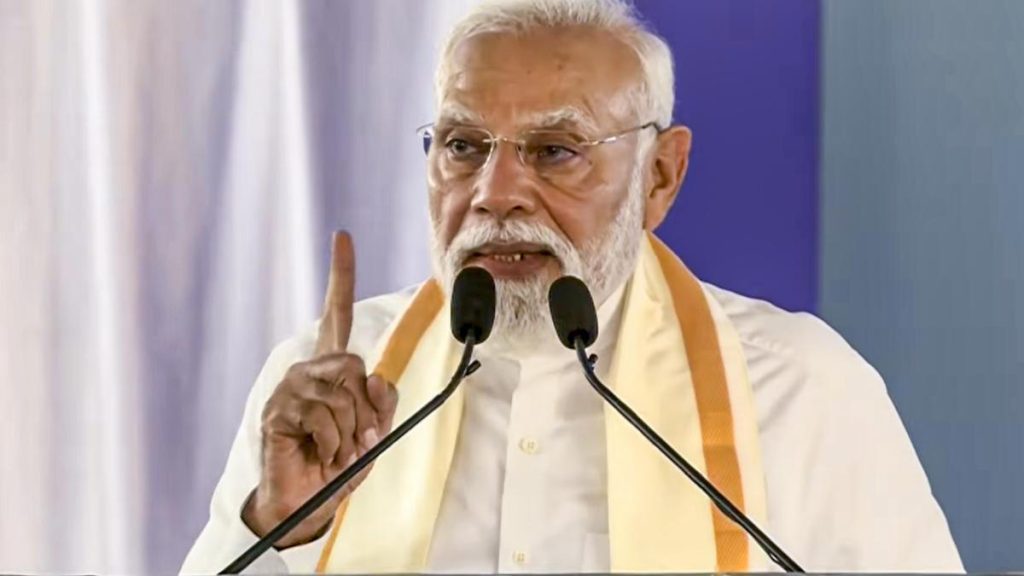
centre convenes allparty meeting:
Centre calls for all-party as West Asia Tensions Escalate
Amid rapidly escalating tensions in West Asia and growing concerns over a potential liquefied petroleum gas (LPG) supply disruption, the Government of India has moved swiftly to convene an all-party meeting, signaling the seriousness of the evolving geopolitical situation and its possible repercussions on the country’s energy security and economic stability.
The high-level meeting, attended by leaders across the political spectrum, comes at a time when global energy markets are witnessing heightened volatility due to the intensifying conflict in the strategically critical West Asian region. With India heavily reliant on imports for its crude oil and gas needs, any prolonged instability in the region could have far-reaching consequences for domestic fuel availability, pricing, and overall economic momentum.
Government Seeks Political Consensus Amid Crisis
The Centre’s decision to call an all-party meeting reflects an effort to build a unified national response to the unfolding crisis. Senior ministers briefed opposition leaders on the current situation, outlining the potential risks to India’s energy supplies, particularly LPG, which is a critical household fuel used by millions across the country.
During the meeting, government representatives reportedly shared intelligence assessments and logistical updates related to supply chains, shipping routes, and contingency planning. Officials emphasized that while there is no immediate cause for panic, the situation remains fluid and requires constant monitoring.
Opposition leaders, while expressing support for safeguarding national interests, raised pointed questions about the government’s preparedness and response strategy. Concerns were voiced over the adequacy of strategic reserves, diversification of energy sources, and the potential impact on inflation if fuel prices surge.
LPG Supply Concerns Trigger Public Anxiety
Reports of a possible LPG shortage have begun to trigger anxiety among consumers, especially in urban and semi-urban areas where dependence on LPG cylinders is high. Industry sources indicate that disruptions in shipping lanes or delays in cargo deliveries could temporarily affect supply chains.
India imports a significant portion of its LPG requirements from West Asia, making it vulnerable to geopolitical disruptions in the region. Any escalation that affects key transit routes such as the Strait of Hormuz could severely impact supply flows, leading to price spikes and logistical challenges.
Government officials have assured that adequate stockpiles are being maintained and that contingency plans are in place to ensure uninterrupted supply. Measures such as rerouting shipments, tapping alternative suppliers, and utilizing strategic reserves are being actively considered.
Defence and Security Preparedness Reviewed
In parallel with economic concerns, the government is also closely monitoring the security implications of the West Asia conflict. Senior defence officials conducted a comprehensive review of India’s preparedness, focusing on maritime security, evacuation plans for Indian nationals in the region, and coordination with international partners.
The Indian Navy and Air Force are reportedly on heightened alert, with contingency plans ready for rapid deployment if required. Authorities are also keeping a close watch on cyber threats and intelligence inputs that could have domestic security implications.
The safety of the large Indian diaspora in West Asia remains a top priority. The Ministry of External Affairs is in constant touch with Indian missions abroad to ensure timely communication and assistance to citizens in affected areas.
Prime Minister Narendra Modi to Address Parliament
Prime Minister Narendra Modi is expected to address Parliament soon, where he will outline the government’s assessment of the situation and the steps being taken to mitigate risks. His address is likely to cover both economic and security dimensions, providing clarity on India’s strategic approach amid global uncertainty.
The Prime Minister is also expected to emphasize the importance of political unity and coordinated action during times of external challenges. Sources suggest that the government may announce additional measures to stabilize fuel prices and protect vulnerable sections of society from inflationary pressures.
Economic Implications: Inflation and Fiscal Pressure
Economists warn that a sustained rise in crude oil prices could have a cascading effect on the Indian economy. Higher fuel costs would increase transportation and manufacturing expenses, potentially leading to a spike in retail inflation.
This, in turn, could complicate monetary policy decisions for the Reserve Bank of India, which has been working to balance growth and inflation in a post-pandemic recovery environment. Additionally, increased subsidies to cushion consumers from rising LPG prices could put pressure on the government’s fiscal deficit.
Market analysts are also closely watching the rupee, which could come under pressure if oil import bills rise significantly. A weaker currency would further exacerbate inflationary trends, creating a challenging macroeconomic scenario.
Strategic Shift: Diversification and Energy Security
The current crisis has once again highlighted the need for India to accelerate its efforts toward energy diversification and self-reliance. Policymakers are likely to push for increased investment in renewable energy, expansion of domestic gas production, and strengthening of strategic petroleum reserves.
India has already been exploring alternative supply sources, including partnerships with countries outside the West Asian region. However, transitioning away from traditional suppliers will take time and require significant infrastructure and policy support.
Experts believe that the situation could act as a catalyst for long-term reforms in the energy sector, including pricing mechanisms, subsidy structures, and supply chain resilience.
Opposition Calls for Transparency and Accountability
While the opposition has largely supported the government’s initiative to hold consultations, it has also called for greater transparency in decision-making. Leaders have demanded regular updates on the situation and urged the government to involve Parliament more actively in shaping the national response.
Some opposition figures also criticized what they described as a reactive approach, arguing that more proactive measures should have been taken earlier to reduce dependence on volatile regions.
Public Advisory and Government Assurance
In response to growing public concern, the government has issued advisories urging citizens not to panic or engage in hoarding of LPG cylinders. Officials have reiterated that supply chains are being closely monitored and that any temporary disruptions will be managed effectively.
Oil marketing companies have also stepped up coordination to ensure timely distribution and minimize delays. Emergency response mechanisms are being strengthened to address any localized shortages.