 CM Chandrababu Naidu asks NDA MPs from Andhra to reach Delhi for key Bills
 Record Gold Prices Are Fueling Deadly Disease Outbreaks
 Former Vice-President Dhankhar to move to Tilak Marg apartment from Dec. 1 pending official accommodation
 Who Is Alberto Núñez Feijóo, Spain’s Conservative Opposition Leader?
 Delimitation Bill: Stalin rejects Rahul’s overture, as INDIA bloc delegation heads to Chennai
CM Chandrababu Naidu asks NDA MPs from Andhra to reach Delhi for key Bills
**
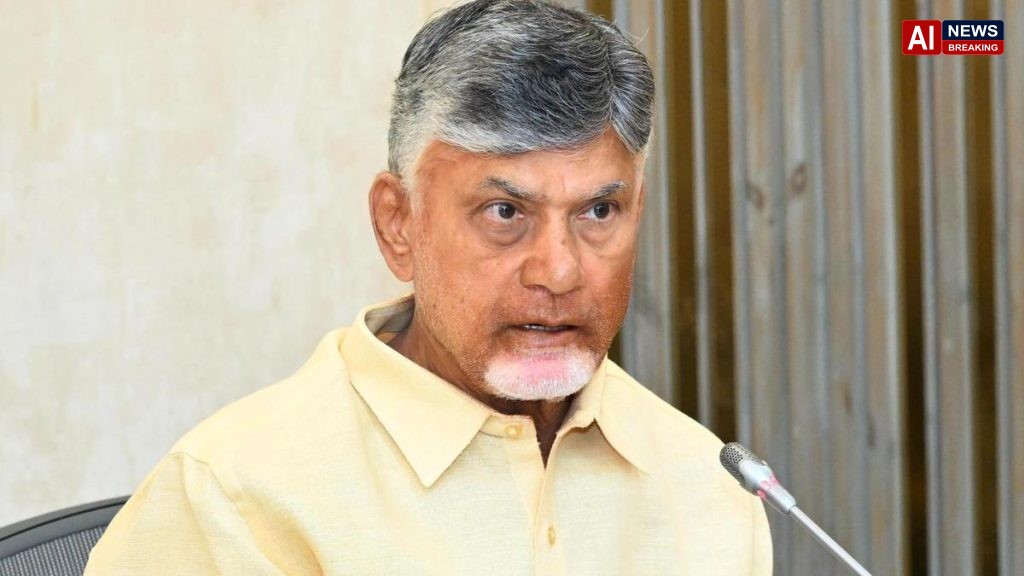
CM Chandrababu Naidu asks NDA MPs from Andhra to reach Delhi for key Bills - AI News Breaking
chandrababu naidu asks andhra:
The Chief Minister of Andhra Pradesh, N. Chandrababu Naidu, convened a teleconference with the state’s members of the National Democratic Alliance (NDA) in the Lok Sabha and Rajya Sabha on Thursday, urging them to travel to Delhi for the introduction of two pivotal pieces of legislation. Speaking to the assembly of MPs, Naidu framed the forthcoming bills as a “historic occasion” for the nation, emphasizing their potential to reshape the economic and infrastructural landscape of the country..
The appeal came amid a broader push by the central government to secure parliamentary support for its legislative agenda ahead of the upcoming session, which is expected to be marked by a flurry of policy initiatives.The two bills in question are the Infrastructure Development and Investment Bill, and the National Digital Services Act. While details of the bills remain largely under wraps, senior officials in the Ministry of Finance have hinted that the former will streamline the approval process for large‑scale projects, including highways, ports and renewable‑energy installations. The latter is projected to create a unified regulatory framework for digital platforms, data protection and e‑commerce, a move that could have far‑reaching implications for the technology sector and consumer rights..
Both measures have been billed as essential to sustaining India’s post‑pandemic growth trajectory and enhancing its global competitiveness.Naidu, whose tenure as chief minister has been characterised by an emphasis on technology-driven development and public‑private partnerships, highlighted the relevance of the bills to Andhra Pradesh’s own developmental priorities. He pointed to the state’s recent strides in solar energy generation, logistics corridors and the establishment of a digital hub in its capital, Amaravati. “When these bills are passed, they will unlock funding, reduce bureaucratic red‑tape and create an environment conducive to investment,” Naidu told the MPs, adding that the state stands ready to serve as a model for implementation..
He urged the legislators to “be at the forefront of this transformation” by participating in the debates that will shape the final form of the laws.The request for NDA MPs to convene in Delhi reflects a strategic calculus by the central leadership, which is keen to demonstrate unity within the coalition ahead of the next general election. Analysts note that the presence of a strong, coordinated front in Parliament will be crucial for navigating potential resistance from opposition parties, particularly on issues that touch on data sovereignty, market regulation and the allocation of public capital. By rallying its allies from key states such as Andhra Pradesh, the NDA hopes to pre‑empt dissent and ensure smoother passage of its legislative programme.Opposition leaders, however, have expressed skepticism about the bills’ purported benefits..
In a statement released shortly after the teleconference, the leader of the opposition in the Rajya Sabha warned that the Infrastructure Development and Investment Bill could bypass environmental safeguards and marginalise local communities. Similarly, the spokesperson for the main opposition party cautioned that the National Digital Services Act might centralise control over digital ecosystems, stifling innovation and compromising privacy. These concerns are likely to surface in parliamentary committees, where the bills will undergo detailed scrutiny before being presented on the floor.The teleconference also touched upon the logistical challenges of bringing a large contingent of MPs to the capital..
Naidu acknowledged the pressures on parliamentary calendars and the need for efficient coordination, suggesting that a staggered schedule could accommodate both legislative duties and constituency responsibilities. He proposed that a core group of senior MPs could attend the initial sessions, with subsequent briefings disseminated to the broader party cohort. This approach, he argued, would balance the imperative of active participation with the practicalities of governance.In response, several senior NDA legislators from Andhra Pradesh confirmed their intent to travel to Delhi, citing the importance of representing the state’s interests at the national level..
One MP, who requested anonymity, remarked that the bills aligned with the development blueprint outlined in the state’s recent Five‑Year Plan, which prioritises infrastructure, digital inclusion and sustainable growth. The MP added that participation in the legislative process would also provide an opportunity to raise region‑specific concerns, such as the integration of the new coastal economic zone with existing transport networks.The central government’s push for the bills also dovetails with its broader economic agenda, which includes a target of raising the country’s gross domestic product (GDP) growth to 7.5 per cent by 2030. Officials have argued that the Infrastructure Development and Investment Bill will reduce project delays, which, according to a recent World Bank report, cost India an estimated $100 billion annually in lost productivity..
Meanwhile, the National Digital Services Act is positioned as a catalyst for the digital economy, which the Ministry of Electronics and Information Technology estimates could contribute $1 trillion to GDP by 2028 if regulatory certainty is achieved.Critics, however, caution that the legislative rush could undermine due process. Legal scholars have warned that fast‑tracking complex reforms without comprehensive stakeholder engagement may lead to unintended consequences, particularly in areas such as data protection where the legal framework is still evolving. They point to recent global debates on digital regulation, noting that a balanced approach must reconcile national security imperatives with the rights of individual users and the needs of the private sector.As the date for the bills’ introduction approaches, the political narrative is likely to shift from technical deliberations to a broader contest of visions for India’s future..
Proponents argue that decisive action is required to capitalize on demographic dividends and to position the country as a hub for infrastructure and digital innovation. Detractors, meanwhile, stress the importance of safeguarding environmental standards, civil liberties and federal autonomy. The outcome of the parliamentary debates will thus not only shape policy but also signal the trajectory of India’s governance model in a rapidly changing global context.The teleconference concluded with Naidu reiterating his call for “collective responsibility” and urging the MPs to “bring the aspirations of Andhra Pradesh to the national stage.” He promised to keep the lines of communication open, offering to provide detailed briefings and data on how the bills would impact the state’s development projects..
As the NDA prepares to marshal its parliamentary ranks, the next weeks will witness intense lobbying, committee hearings and public discourse, all of which will determine whether the bills achieve the historic status that Naidu envisages.In the coming days, the central government is expected to release the full texts of the Infrastructure Development and Investment Bill and the National Digital Services Act, inviting comments from stakeholders across the spectrum. Civil society groups, industry associations and academic experts are poised to weigh in, potentially influencing amendments and safeguards. The legislative process, while procedurally routine, carries the weight of significant economic and social implications, underscoring why the chief minister’s appeal to his state’s representatives resonates beyond regional politics and into the fabric of national policymaking..
Updated: November 29, 2026
Chief Minister Naidu called on Andhra Pradesh NDA MPs to travel to Delhi to support the introduction of two key bills—Infrastructure Development and Investment, and National Digital Services Act—arguing they will unlock funding and streamline projects. The move aims to secure parliamentary backing for a sweeping economic agenda while the opposition raises concerns over environmental safeguards and digital privacy.
Naidu’s call signals a calculated attempt to turn Andhra Pradesh into a showcase of the NDA’s developmental narrative, hoping to sway key MPs into a unified front that can outflank opposition skepticism. If successful, the bills could unlock state‑level growth while risking a federal squeeze that may leave local communities and