Europe warns of Russia’s hybrid attacks but struggles to counter them
  Former chief election commissioner calls SIR scheme illegal.
  A Corruption Scandal Is Reshaping Brazil’s Presidential Election
  US citizen injured in Illinois after ICE agents mistook him for fugitive, tried to arrest him
  At 10 years old, Smithsonian’s Black museum is undaunted amid pressure from Trump administration
 Texas House Speaker Considers Expansive Border Adjustment with New Mexico Counties
** In a move that has generated significant debate, Texas House Speaker Dustin Burrows has directed a committee to study the feasibility of annexing parts of New Mexico, citing ongoing tensions between the two states. New Mexico Governor Michelle Lujan Grisham has swiftly responded, calling the proposal “not serious.” The outcome will depend on the results of the study and the willingness of the New Mexico state government to consider such an arrangement.
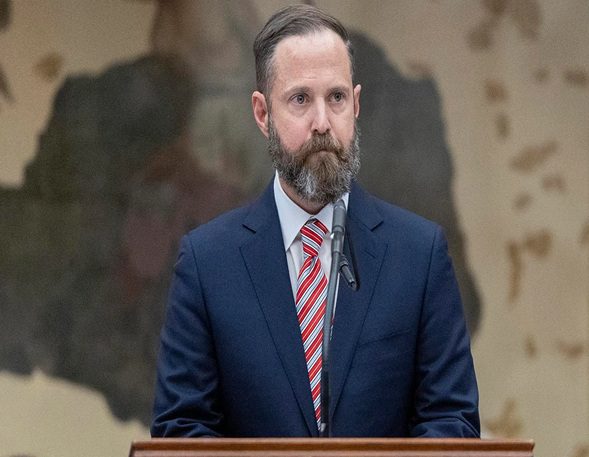
In a move that has sparked controversy, Texas House Speaker Dustin Burrows has directed a state legislative committee to study the feasibility of annexing parts of New Mexico. The proposal, announced on March 26, involves examining the legal and economic possibilities of adding one or more contiguous counties from New Mexico to the state of Texas.
New Mexico Governor Michelle Lujan Grisham swiftly responded to the announcement, calling it “not serious.” The governor’s office stated that the proposal has been met with significant opposition from the state’s leadership in Santa Fe, particularly those in southeastern counties that share a border with Texas. These counties have expressed their divisions with the Democratic-led government in Santa Fe.
The decision by Speaker Burrows has been attributed to ongoing tensions between the two neighboring states, which have been exacerbated by differences in politics, economy, and culture. The move has also sparked fears among local residents in New Mexico’s affected counties, who are concerned about the potential consequences of such an annexation.
According to sources, the House committee responsible for conducting the study will focus on the potential benefits and drawbacks of annexation, including the impact on local economies, infrastructure, and tax revenues. The study is expected to take several months to complete, during which time the proposal will be closely scrutinized by lawmakers and residents on both sides of the border.
While the proposal remains in its infancy, it has already generated a significant amount of debate and discussion in the region. The outcome of this potential expansion will depend on a variety of factors, including the results of the study and the willingness of the New Mexico state government to consider such an arrangement.
The Texas-New Mexico border dispute is a long-standing issue, with both states vying for control over key resources and territories. The annexation proposal has added a new layer of complexity to this ongoing struggle, raising questions about the future of the region’s politics, economy, and relationships between neighboring states.
As the proposal progresses, residents on both sides of the border will be closely watching the development, awaiting a clearer understanding of what this potential expansion could mean for their communities and the region as a whole.