Europe warns of Russia’s hybrid attacks but struggles to counter them
  Former chief election commissioner calls SIR scheme illegal.
  A Corruption Scandal Is Reshaping Brazil’s Presidential Election
  US citizen injured in Illinois after ICE agents mistook him for fugitive, tried to arrest him
  At 10 years old, Smithsonian’s Black museum is undaunted amid pressure from Trump administration
 Election Tensions Rise in Uttar Pradesh as Statues of Historical Figures Spark Protests
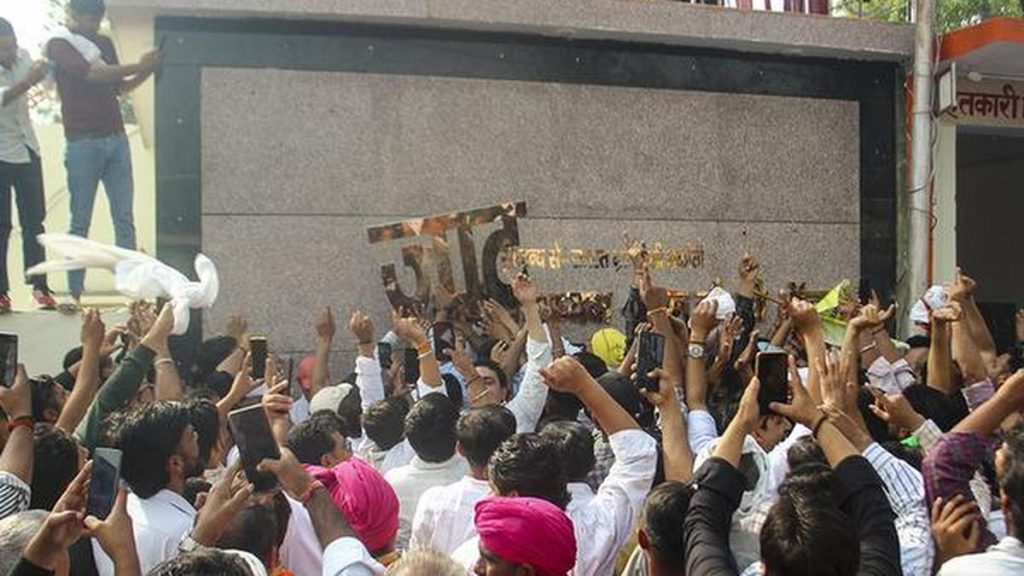
election tensions rise uttar:
As the 2027 poll season approaches, western Uttar Pradesh has witnessed a surge in incidents involving statues of historical figures, triggering protests and political mobilization among various caste groups. Despite a ban on caste markers, the region has seen a rise in tensions, with multiple incidents reported in recent times. The resurgence of these incidents has sparked concerns about the potential escalation of caste-based conflicts in the run-up to the elections.
The incidents have primarily been centered around statues of prominent historical figures, with different caste groups claiming ownership and cultural affinity with these icons. The protests and mobilization have been largely peaceful, but they have brought attention to the deep-seated caste divisions that exist in the region. The fact that these incidents are occurring despite a ban on caste markers has raised questions about the effectiveness of such measures in preventing caste-based tensions.
The western Uttar Pradesh region has historically been a hotbed of caste politics, with various groups vying for power and influence. The upcoming elections are expected to be highly contested, with multiple parties and candidates seeking to exploit caste sentiments to further their electoral prospects. As a result, the region is likely to remain a focal point of political activity and tension in the lead-up to the polls.
The role of statues and historical figures in sparking these tensions is complex and multifaceted. On one hand, they serve as powerful symbols of cultural identity and heritage, with different groups seeking to lay claim to these icons as a means of asserting their cultural and historical significance. On the other hand, they can also be used as tools for political mobilization, with parties and candidates seeking to exploit these symbols to further their electoral prospects.
The state authorities have been working to maintain law and order in the region, with a focus on preventing the escalation of caste-based conflicts. However, the fact that these incidents continue to occur despite a ban on caste markers has raised concerns about the effectiveness of such measures. As the election season heats up, it remains to be seen how the situation will unfold and what steps will be taken to address the underlying issues driving these tensions.
The 2027 polls are expected to be a crucial test of the political landscape in Uttar Pradesh, with the outcome likely to have significant implications for the state’s political future. As the region continues to grapple with the challenges posed by caste-based tensions, it is likely that the issue of statues and historical figures will remain a contentious one, with different groups seeking to assert their claims and interests in the run-up to the elections.
In the coming months, the situation in western Uttar Pradesh will be closely watched, with many anticipating a heightened sense of political activity and tension. As the polls draw near, it is likely that the region will remain a focal point of attention, with the potential for further incidents and developments that could shape the outcome of the elections.