Europe warns of Russia’s hybrid attacks but struggles to counter them
  Former chief election commissioner calls SIR scheme illegal.
  A Corruption Scandal Is Reshaping Brazil’s Presidential Election
  US citizen injured in Illinois after ICE agents mistook him for fugitive, tried to arrest him
  At 10 years old, Smithsonian’s Black museum is undaunted amid pressure from Trump administration
 UK Food Inflation Projections Reach 9% Amid Iran Conflict Fears
** The UK’s food inflation rate is projected to reach 9% by the end of 2023, warns the Food and Drink Federation, amidst escalating tensions in the Middle East and concerns over energy prices. A prolonged Iran war could severely impact the UK’s food supply chain and exacerbate inflation, making it essential for policymakers and industry leaders to work together to find solutions.
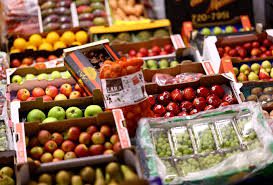
The UK’s food inflation rate could reach a staggering 9% by the end of 2023, according to the latest forecast from the Food and Drink Federation (FDF). This projection is a significant increase from the organization’s earlier estimate of 3.2% and reflects the growing concerns over the ongoing conflict in Iran and its impact on energy prices.
The FDF’s warning comes as Chancellor of the Exchequer Rachel Reeves attends an emergency meeting with retail chiefs in London. The discussion aims to find ways to mitigate the effects of inflation on consumers, particularly those from low-income households who are struggling to make ends meet. This gathering is particularly timely given the escalating tensions in the Middle East, which threaten to disrupt global energy supplies.
A recent analysis suggests that even if the Strait of Hormuz reopens within the next few weeks, energy prices could remain elevated, leading to higher food costs for consumers. The UK’s food supply chain is heavily reliant on imports, which could be severely impacted by a prolonged Iran war. This, in turn, could exacerbate food inflation, making it even more difficult for households to afford basic necessities.
The FDF represents over 12,000 food and drink manufacturers, making it a key player in shaping the UK’s food policy. The organization’s revised inflation forecast is a stark reminder of the far-reaching consequences of the ongoing global conflicts. As the situation in Iran continues to unfold, policymakers and industry leaders will need to work together to minimize the economic fallout and support vulnerable communities.
The emergency meeting between Chancellor Reeves and retail chiefs is a step in the right direction, but more needs to be done to address the growing concerns over food inflation. As the world navigates this uncertain period, it is essential to prioritize cooperation and finding solutions that benefit both the economy and society as a whole.