Europe warns of Russia’s hybrid attacks but struggles to counter them
  Former chief election commissioner calls SIR scheme illegal.
  A Corruption Scandal Is Reshaping Brazil’s Presidential Election
  US citizen injured in Illinois after ICE agents mistook him for fugitive, tried to arrest him
  At 10 years old, Smithsonian’s Black museum is undaunted amid pressure from Trump administration
 Breakthrough Study Reveals Common Brain Signature in Psychedelic Experiences, Unlocking Therapeutic Potential
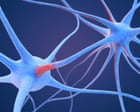
A groundbreaking discovery in the field of psychedelic research has identified a distinct brain pattern associated with the use of mind-altering substances such as LSD, psilocybin, and ayahuasca. This finding, based on the analysis of over 500 brain scans, sheds light on the neural mechanisms underlying the profound effects of psychedelics. The study, which examined the brain activity of individuals under the influence of various psychedelic compounds, found a consistent pattern of increased cross-talk between different brain systems.
The brain scans, which utilized MRI data, revealed a significant increase in neural connections and activity within regions responsible for higher-order processing, such as the prefrontal cortex and the default mode network. This heightened communication among brain regions is believed to be a crucial factor in the intense experiences reported by psychedelic users. The Lead researchers, who analyzed the data, found that this unique brain pattern, or “neural fingerprint,” was present across the various psychedelic compounds studied.
The discovery of this shared neural fingerprint has significant implications for the potential therapeutic applications of psychedelics. By understanding the specific brain mechanisms involved in their effects, researchers may be able to harness these mechanisms to develop new treatments for various mental health conditions. The study’s findings bring to light crucial insights into the neural correlates of psychedelic experiences, offering a starting point for future investigation into the therapeutic and medical potential of these substances.
The study’s lead researchers are optimistic about the potential of their findings, but emphasize that further research is necessary to verify the applications of this discovery. While the findings hold immense potential for expanding our understanding of psychedelics, more comprehensive studies will be required to fully explore the practical implications of the “neural fingerprint.” The identification of this common brain signature is a major step forward in the field of psychedelic research, and future studies will likely build upon this foundation.
The study’s analysis of over 500 brain scans is one of the largest and most comprehensive to date, and its findings have contributed significantly to our understanding of the neural basis of psychedelic experiences. The research team’s use of advanced imaging techniques and rigorous data analysis has helped to uncover the complex brain patterns associated with psychedelic use. As the field of psychedelic research continues to evolve, discoveries like this one will play a crucial role in shaping our understanding of these substances and their potential therapeutic applications.
The potential therapeutic applications of psychedelics are a major area of focus for researchers, with many studies exploring their potential in treating mental health conditions such as depression, anxiety, and PTSD. The discovery of a common brain signature associated with psychedelic use could help to accelerate this research, by providing a clearer understanding of the neural mechanisms involved. As researchers continue to investigate the therapeutic potential of psychedelics, findings like this one will be essential in guiding the development of new treatments and therapies.
The study’s findings have been met with excitement and interest from the scientific community, with many experts hailing the discovery as a major breakthrough in the field of psychedelic research. As the research community continues to explore the implications of this discovery, it is likely that we will see significant advances in our understanding of psychedelics and their potential therapeutic applications. With further research and study, the potential benefits of psychedelics could become more fully realized, leading to new and innovative treatments for a range of mental health conditions.
Further research is indeed necessary to fully explore the implications of this discovery, and to determine the potential therapeutic applications of psychedelics. However, the discovery of a common brain signature associated with psychedelic use is a significant step forward, and one that is likely to have a major impact on the field of psychedelic research. As we continue to learn more about the neural mechanisms underlying psychedelic experiences, we may uncover new and innovative ways to harness the therapeutic potential of these substances.