Europe warns of Russia’s hybrid attacks but struggles to counter them
  Former chief election commissioner calls SIR scheme illegal.
  A Corruption Scandal Is Reshaping Brazil’s Presidential Election
  US citizen injured in Illinois after ICE agents mistook him for fugitive, tried to arrest him
  At 10 years old, Smithsonian’s Black museum is undaunted amid pressure from Trump administration
 Israel Strikes Escalation Threatens Iran Ceasefire, reportedly killing key figures linked to Hezbollah’s leadership
A devastating Israeli airstrike in Beirut has targeted key leaders linked to Hezbollah, further destabilizing the Middle East and threatening a wider war, raising questions about the fragile balance of power in the region.
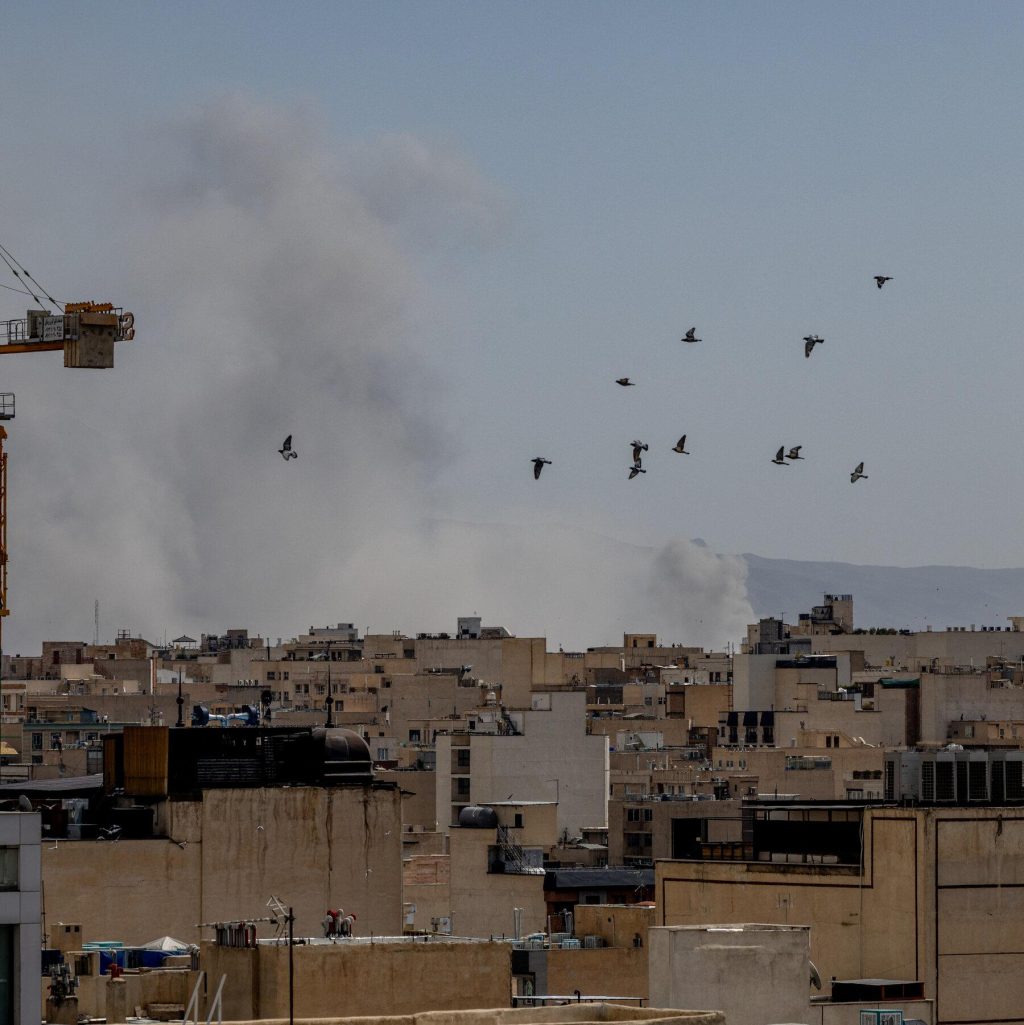
A Region on the Brink of Wider War
The Middle East stands at a dangerous crossroads as Israel’s latest airstrike in Beirut—reportedly killing key figures linked to Hezbollah’s leadership—has further destabilized an already fragile geopolitical environment. The strike comes at a time when a tenuous ceasefire between the United States and Iran is under immense strain, raising fears of a broader regional war.
According to multiple reports, Israel has escalated its targeted assassination campaign against Hezbollah leadership, a strategy that reflects both military calculation and political messaging. While Israeli officials frame these operations as necessary to dismantle militant infrastructure, critics argue they risk igniting uncontrollable escalation across Lebanon, Iran, and beyond.
This article provides a deep analytical breakdown of the developments, the strategic objectives behind Israel’s actions, Hezbollah’s evolving response, and the wider implications for global stability.
Beirut Strike: What Happened?
Recent Israeli airstrikes in Beirut have marked one of the most aggressive phases of the ongoing conflict. Reports indicate that the Israel Defense Forces (IDF) targeted individuals closely associated with Hezbollah’s top leadership, including aides and senior operatives.
- Israeli officials claim the strike eliminated key figures tied to Hezbollah’s command structure.
- Some reports suggest the targets included individuals linked to Hezbollah chief Naim Qassem.
- The strikes were part of a broader wave of attacks across Beirut and other regions in Lebanon.
This operation aligns with Israel’s broader military doctrine of “decapitation strategy”—eliminating leadership figures to weaken organizational capacity.
However, Hezbollah has not always immediately confirmed such losses, often delaying acknowledgment for strategic reasons.
Israel’s Expanding Campaign in Lebanon
The Beirut strike is not an isolated event. It is part of a sustained and intensifying Israeli military campaign against Hezbollah across Lebanon.
Key Developments:
- Israel launched large-scale airstrikes hitting over 100 targets in Beirut and beyond.
- The attacks have killed hundreds and injured thousands in recent days.
- Civilian infrastructure, residential areas, and transport hubs have also been affected.
Israeli leadership has made it clear that its operations in Lebanon are separate from the Iran ceasefire.
- The U.S.-Iran truce does not apply to Hezbollah, according to Israeli officials.
This distinction is crucial—it allows Israel to continue military operations even as diplomatic negotiations unfold elsewhere.
The Strategic Importance of Targeting Hezbollah Leadership
Israel’s focus on Hezbollah’s leadership reflects long-standing military strategy.
Why Leadership Matters:
- Command Disruption: Removing key figures disrupts operational planning.
- Psychological Impact: It sends a message of vulnerability within Hezbollah ranks.
- Deterrence Signaling: Demonstrates Israel’s intelligence and reach.
Historically, Israel has used similar tactics:
- Hassan Nasrallah, Hezbollah’s long-time leader, was reportedly killed in 2024.
- Naim Qassem later rose to leadership, continuing Hezbollah’s alignment with Iran.
However, such strategies have mixed results. While they may weaken leadership temporarily, Hezbollah has repeatedly shown resilience by quickly replacing leaders.
Hezbollah’s Response: Retaliation and Resistance
Hezbollah has responded to Israeli strikes with retaliatory attacks, escalating the conflict further.
- Rocket fire into northern Israel has resumed.
- The group has vowed continued resistance and warned of broader escalation.
Hezbollah’s involvement is deeply tied to Iran:
- The group entered the conflict in support of Iran following major escalations earlier in 2026.
This makes the conflict not just a bilateral Israel-Hezbollah confrontation, but part of a wider regional power struggle.
The Fragile Iran Ceasefire: A Deal Under Threat
At the center of the crisis is a fragile ceasefire between the United States and Iran.
Key Points:
- The ceasefire aimed to reopen the Strait of Hormuz and stabilize global oil flows.
- Iran insists the ceasefire should include Lebanon.
- The U.S. and Israel disagree, creating a major diplomatic rift.
Recent Israeli strikes have:
- Triggered strong condemnation from Iran.
- Raised doubts about the viability of ongoing negotiations.
- Threatened to collapse the ceasefire entirely.
Oil markets have already reacted:
- Prices surged amid fears of renewed conflict.
Humanitarian Impact: Lebanon Bears the Brunt
The human cost of the conflict has been devastating.
Key Figures:
- Over 1,700 people killed in Lebanon since early March.
- More than 1 million displaced.
- Hundreds killed in single-day strikes.
Civilian areas have been heavily impacted:
- Residential neighborhoods in Beirut hit without warning.
- Hospitals, roads, and public infrastructure damaged.
International organizations have raised concerns about:
- Potential violations of international law.
- The disproportionate impact on civilians.
Global Reactions: Condemnation and Concern
The international community has reacted with alarm.
Key Responses:
- United Nations: Called for immediate de-escalation.
- France & UK: Urged inclusion of Lebanon in ceasefire talks.
- Iran: Accused Israel of violating the ceasefire framework.
Meanwhile, the United States faces a delicate balancing act:
- Supporting Israel’s security objectives.
- Preventing a wider regional war.
Economic Fallout: Oil, Markets, and Trade Disruptions
The conflict has significant global economic implications.
Key Impacts:
- Oil prices nearing $100 per barrel.
- Shipping disruptions in the Strait of Hormuz.
- Volatility in global stock markets.
The Strait of Hormuz remains a critical chokepoint:
- A significant portion of the world’s oil supply passes through it.
- Any disruption has immediate global consequences.