Europe warns of Russia’s hybrid attacks but struggles to counter them
  Former chief election commissioner calls SIR scheme illegal.
  A Corruption Scandal Is Reshaping Brazil’s Presidential Election
  US citizen injured in Illinois after ICE agents mistook him for fugitive, tried to arrest him
  At 10 years old, Smithsonian’s Black museum is undaunted amid pressure from Trump administration
 Supreme Court Rules Against Differential Dearness Benefit Increases for Employees and Pensioners
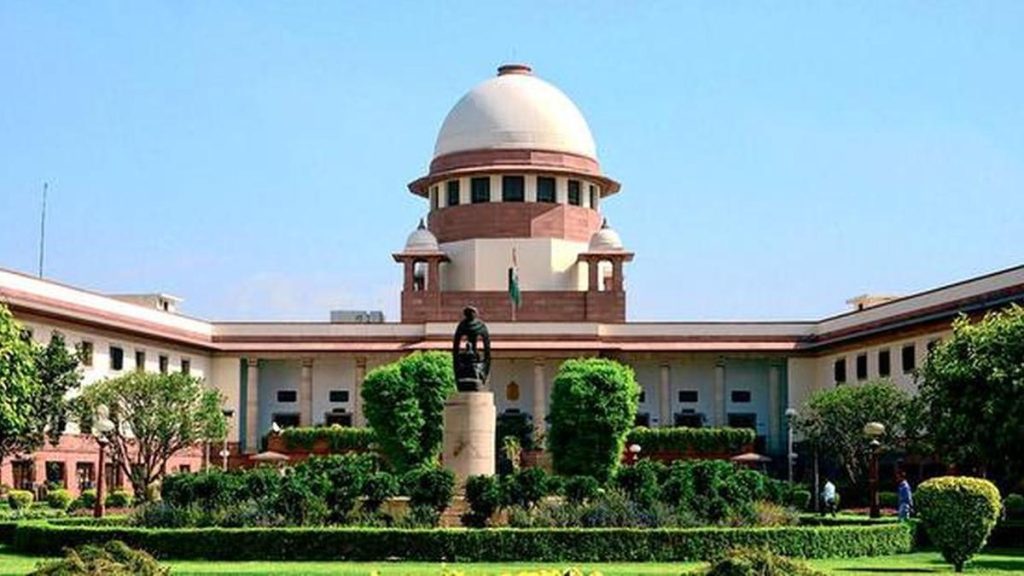
In a significant ruling, the Supreme Court has deemed differential dearness benefit increases for serving employees and pensioners as arbitrary, emphasizing that inflation affects both groups equally. The court’s decision comes in response to the disparity between the 14% dearness allowance hike for serving staff and the 11% dearness relief for retirees. This discrepancy, according to the court, is discriminatory and violates the fundamental right to equality.
The Supreme Court’s judgment highlights the importance of equal treatment for serving employees and pensioners when it comes to dearness benefits. The court recognized that financial constraints can sometimes justify delays in implementing benefit increases, but it emphasized that unequal benefit rates are unacceptable. This ruling is expected to have significant implications for the way dearness benefits are structured and implemented in the future.
The court’s decision is based on the principle that serving employees and pensioners are equally affected by inflation, and therefore, should receive equal benefits to offset its impact. By ruling against differential dearness benefit increases, the Supreme Court has reinforced the importance of fairness and equality in the treatment of serving employees and retirees.
The ruling is a significant development in the ongoing discussion about dearness benefits and pensioner rights. It underscores the need for a more equitable approach to benefit structures, one that takes into account the equal impact of inflation on serving employees and pensioners. As the ruling is implemented, it is likely to have far-reaching consequences for both serving employees and retirees, ensuring that they receive fair and equal treatment.
The Supreme Court’s judgment serves as a reminder of the importance of upholding the right to equality, particularly in matters related to employment and retirement benefits. By emphasizing the need for equal treatment, the court has reinforced the principles of fairness and justice that underpin the country’s social and economic systems. The ruling is expected to be closely watched and studied by policymakers, employers, and retirees, as it sets a significant precedent for future benefit structures and implementations.
In conclusion, the Supreme Court’s ruling against differential dearness benefit increases marks an important milestone in the pursuit of equality and fairness in employment and retirement benefits. The judgment is a testament to the court’s commitment to upholding the rights of serving employees and pensioners, and its implications are likely to be felt for years to come.