Europe warns of Russia’s hybrid attacks but struggles to counter them
  Former chief election commissioner calls SIR scheme illegal.
  A Corruption Scandal Is Reshaping Brazil’s Presidential Election
  US citizen injured in Illinois after ICE agents mistook him for fugitive, tried to arrest him
  At 10 years old, Smithsonian’s Black museum is undaunted amid pressure from Trump administration
 US-Iran Peace Talks Stall Over Key Demands, explaining the key points
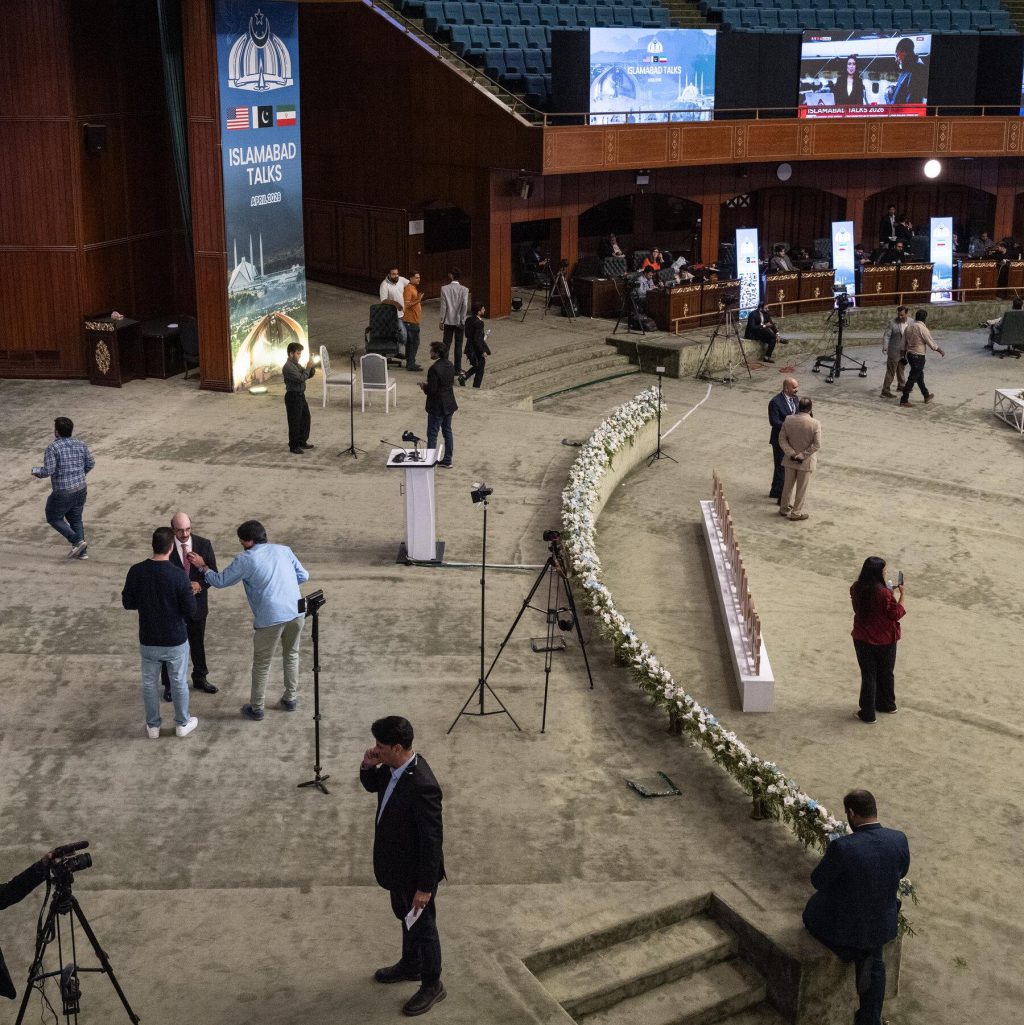
usiran peace talks stall:
Efforts to negotiate a lasting peace between the United States and Iran have hit a roadblock, with both sides unable to reach an agreement on several sticking points. At the heart of the issue are Iran’s uranium stockpiles and control over the Strait of Hormuz, a critical shipping lane in the Middle East.
US representatives have been pressing Iran to immediately reopen the Strait of Hormuz to all maritime traffic, while Iran has insisted that it will not do so until a final peace deal is in place. Iranian officials have maintained that their country must first have certainty and guarantees that the peace deal will benefit them before allowing unrestricted access to the strategic waterway.
Iran’s stance on the Strait of Hormuz reflects the country’s growing assertiveness in the region, particularly in its quest for greater control over its territorial waters. The US, on the other hand, views unrestricted access to the Strait of Hormuz as essential to maintaining global trade and energy supplies.
Discussions about Iran’s nuclear program, including its uranium stockpiles, remain a delicate point of contention between the two nations. US officials have been pushing Iran to scale back its nuclear ambitions, while Iran has resisted what it sees as undue pressure and potential threats to its sovereignty.
The stalled talks underscore the complexities and challenges inherent in US-Iran negotiations. Despite these obstacles, both sides have expressed a willingness to continue talks, albeit with a more cautious approach given the recent developments.
Key negotiations between the two nations are ongoing behind closed doors. As tensions rise, international observers are watching closely to see how the situation unfolds and whether a breakthrough can be reached.
A lasting peace between the US and Iran remains a pressing goal, with both nations and the global community hoping for a positive outcome that addresses the contentious issues at hand.
Here are the key points explaining why US-Iran peace talks stalled over major demands:
🔴 1. Nuclear Program Dispute
- The biggest sticking point was Iran’s nuclear program.
- The U.S. demanded Iran completely halt uranium enrichment and dismantle nuclear facilities.
- Iran refused, insisting on its right to maintain a nuclear program (even civilian use).
🔴 2. Sanctions Relief Disagreement
- Iran demanded immediate lifting of U.S. sanctions and access to frozen assets.
- The U.S. wanted a phased or conditional relief, creating a major gap.
🔴 3. Strait of Hormuz Control
- Iran sought control and leverage over the Strait of Hormuz, a key global oil route.
- The U.S. demanded free and secure international passage, leading to conflict over control.
🔴 4. Support for Proxy Groups
- The U.S. insisted Iran stop funding and supporting regional militant groups.
- Iran rejected limits on its regional influence and alliances.
🔴 5. “Excessive” or “Unrealistic” Demands
- Iran accused the U.S. of making overreaching and unlawful demands.
- The U.S. claimed it had already presented its “final and best offer.”
🔴 6. Deep Mutual Distrust
- Decades of hostility created lack of trust on both sides.
- Each side blamed the other for the collapse.
🔴 7. Disagreements Over Ceasefire Terms
- Talks were linked to a fragile ceasefire, but no consensus on extending or enforcing it.
🔴 8. Regional & Strategic Interests Clash
- Differences over Middle East influence and military positioning widened the divide.
🔴 9. Economic & Energy Pressures
- The conflict impacts global oil markets, raising stakes and hardening positions.
🔴 10. No Immediate Plan for Further Talks
- Iran signaled no immediate continuation of negotiations, deepening the stalemate.