Europe warns of Russia’s hybrid attacks but struggles to counter them
  Former chief election commissioner calls SIR scheme illegal.
  A Corruption Scandal Is Reshaping Brazil’s Presidential Election
  US citizen injured in Illinois after ICE agents mistook him for fugitive, tried to arrest him
  At 10 years old, Smithsonian’s Black museum is undaunted amid pressure from Trump administration
 Hungary Sees Regime Change as Opposition Leader Péter Magyar Ousts Viktor Orbán After 16 Years
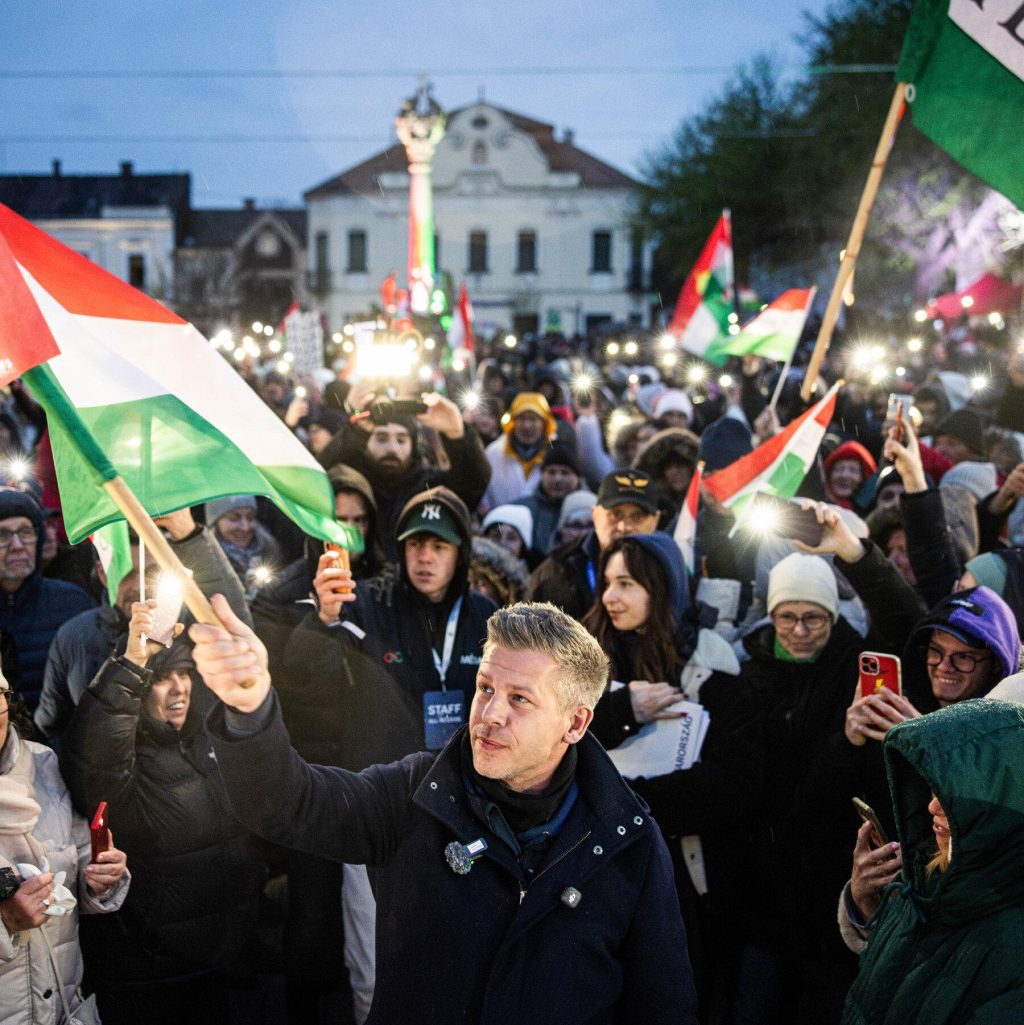
In a historic election outcome, Hungary’s opposition party, Tisza, led by Péter Magyar, has emerged victorious, marking the end of Viktor Orbán’s 16-year tenure as the country’s leader. This significant development is expected to have far-reaching implications for Hungary’s ties with the European Union. Orbán conceded defeat on Sunday, just hours after the polls closed, acknowledging the outcome as “painful but unambiguous.”
The swift concession by Orbán underscores the decisive nature of the election results. With the Tisza party’s victory, Hungary is poised to embark on a new political trajectory, one that could potentially alter the country’s stance on various EU policies and collaborations. The election outcome is also likely to be closely watched by international observers, including those in the United States, given the potential ripple effects on global politics.
Péter Magyar, the leader of the Tisza party, will now assume the role of prime minister, ushering in a new era of leadership in Hungary. As the country prepares for this transition, many are eager to see how the new government will navigate its relationships with EU member states and other global partners. The opposition’s win is seen as a significant shift in the country’s political landscape, one that could lead to renewed dialogue and cooperation with the EU.
The election results are the culmination of a long and intense campaign period, during which various parties vied for the support of Hungarian voters. The Tisza party’s success is a testament to the opposition’s ability to mobilize voters and present a viable alternative to Orbán’s leadership. As Hungary looks to the future, the international community will be closely monitoring the developments in the region, particularly in relation to EU-Hungary relations.
Orbán’s 16-year rule has been marked by controversies and disagreements with the EU, making the incoming government’s approach to these relationships a subject of great interest. The new administration will face the task of balancing national interests with the need to maintain and strengthen ties with European partners. As Hungary embarks on this new chapter, the world will be watching to see how the country navigates its position within the global community.
The outcome of the election is also expected to have implications beyond Hungary’s borders, potentially influencing the dynamics of regional politics. As the EU continues to evolve and face new challenges, the role of its member states, including Hungary, will be crucial in shaping the bloc’s future. With Péter Magyar at the helm, Hungary is set to play a significant part in this process, and the world will be keenly observing the country’s next moves.