Europe warns of Russia’s hybrid attacks but struggles to counter them
  Former chief election commissioner calls SIR scheme illegal.
  A Corruption Scandal Is Reshaping Brazil’s Presidential Election
  US citizen injured in Illinois after ICE agents mistook him for fugitive, tried to arrest him
  At 10 years old, Smithsonian’s Black museum is undaunted amid pressure from Trump administration
 United Airlines CEO Pitched Merger with American Airlines, Raising Competition Fears and Concerns About Air Travel Prices
** United Airlines and American Airlines merger proposal sparks concerns over competition, prices, and flight options. As one of the world’s largest airlines, a combination of the two carriers could have far-reaching implications for the air travel industry and its consumers.
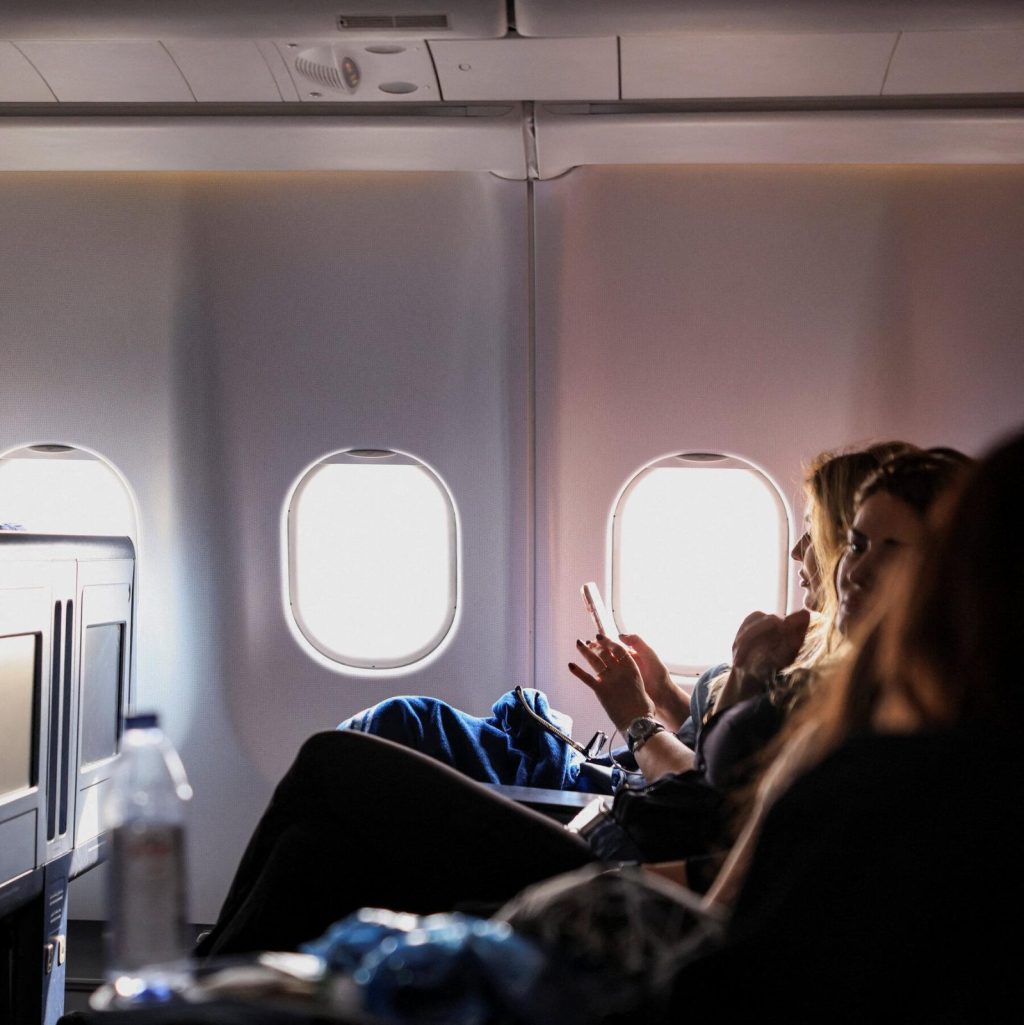
united airlines pitched merger:
The potential merger between United Airlines and American Airlines has sent shockwaves throughout the global air travel industry, with critics warning that a combination of the two carriers could lead to increased ticket prices, fewer options for passengers, and more fees.
According to a report by Reuters, United Airlines CEO Scott Kirby pitched the idea of merging with American Airlines to President Donald Trump in late February. The proposal would have created the world’s largest airline, but it’s unclear whether the deal was ever seriously considered.
Such a merger would have required scrutiny from regulatory authorities, including the US Department of Transportation and the Federal Trade Commission. These agencies would have reviewed the potential impact on competition in the air travel market, which is already competitive and has seen significant consolidation in recent years.
Critics have expressed concerns that a merger between United and American would lead to reduced competition, resulting in higher ticket prices, fewer flight options, and more fees for passengers. This could also lead to job losses and a decrease in innovation within the industry.
Industry experts have pointed to the example of the merger between American Airlines and US Airways in 2013, which faced significant opposition from consumer groups and regulatory agencies. While the merger was ultimately approved, it led to increased scrutiny and regulation of the air travel industry.
The potential merger between United and American Airlines also raises questions about the impact on smaller carriers and regional airports, which could be disadvantaged by the creation of a dominant player in the market.
The exact details of the proposed merger, including whether it would have required the sale of any assets or the elimination of routes, remain unclear. However, it’s clear that any merger between two major carriers would have far-reaching implications for the air travel industry and its consumers.