Europe warns of Russia’s hybrid attacks but struggles to counter them
  Former chief election commissioner calls SIR scheme illegal.
  A Corruption Scandal Is Reshaping Brazil’s Presidential Election
  US citizen injured in Illinois after ICE agents mistook him for fugitive, tried to arrest him
  At 10 years old, Smithsonian’s Black museum is undaunted amid pressure from Trump administration
 Delhi High Court Upholds Differential Treatment of EWS Category in Recruitment Exams
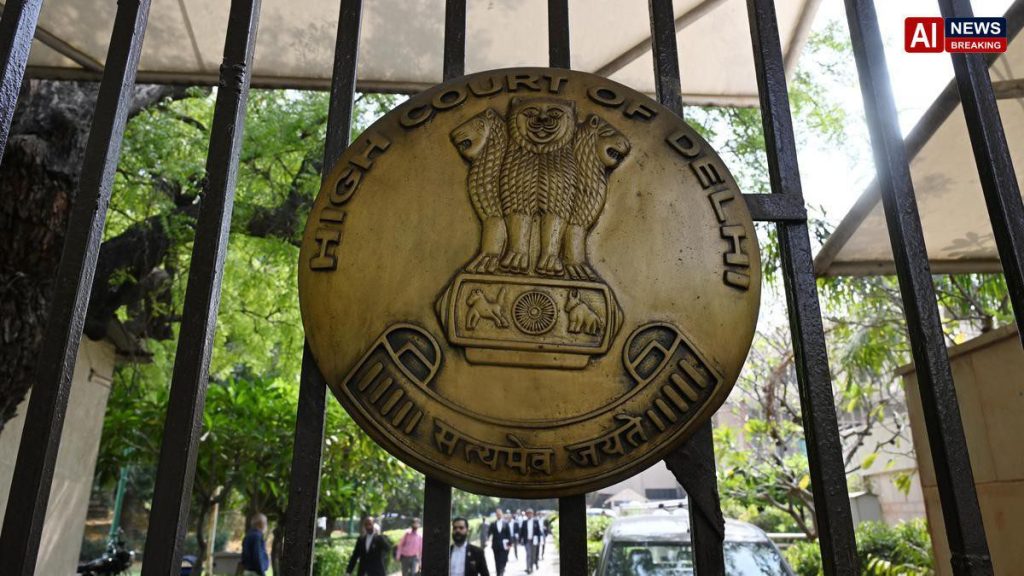
Delhi High Court Orders 350 Slum Dwellers Near PM's Residence to Vacate Within Six Weeks - AI News Breaking
In a significant ruling, the Delhi High Court has stated that individuals belonging to the Economically Weaker Section (EWS) category are not entitled to the same age relaxation and enhanced attempts as those afforded to candidates from the Scheduled Caste (SC), Scheduled Tribe (ST), and Other Backward Classes (OBC) categories. The court observed that the nature of deprivation faced by EWS individuals is distinct from the caste-based discrimination experienced by SC, ST, and OBC communities.
This distinction, according to the court, justifies the differential treatment of EWS candidates in recruitment exams. The Bench emphasized that the policy of not extending age and attempt relaxation to the EWS category is not malicious, arbitrary, or unconstitutional simply because it treats different reserved categories differently.
The court’s decision is based on the understanding that the EWS category faces a unique set of challenges that are distinct from those faced by SC, ST, and OBC communities. While the EWS category is defined by economic criteria, the SC, ST, and OBC categories are defined by social and historical factors that have led to systemic discrimination and marginalization.
The ruling underscores the complexities of India’s reservation policy, which aims to promote social equality and justice by providing opportunities to historically disadvantaged groups. The court’s decision highlights the need for nuanced policies that take into account the diverse experiences and challenges faced by different communities.
The Delhi High Court’s judgment is expected to have significant implications for recruitment exams and policies across various sectors. As the country continues to grapple with issues of social inequality and economic disparities, the ruling serves as a reminder of the importance of balancing competing interests and priorities in the pursuit of social justice.
By upholding the differential treatment of the EWS category, the court has reaffirmed the principle of equal opportunities, while also acknowledging the need for targeted interventions to address the unique challenges faced by different communities. The ruling is a significant development in the ongoing conversation about reservation policies and social justice in India.