Europe warns of Russia’s hybrid attacks but struggles to counter them
  Former chief election commissioner calls SIR scheme illegal.
  A Corruption Scandal Is Reshaping Brazil’s Presidential Election
  US citizen injured in Illinois after ICE agents mistook him for fugitive, tried to arrest him
  At 10 years old, Smithsonian’s Black museum is undaunted amid pressure from Trump administration
 US Abandons Afghan Allies
The US’s abrupt reversal on relocating Afghan allies has created a perfect storm of risks, straining global geopolitics, economic stability, and human rights, with thousands of Afghan refugees facing an uncertain future and the international community assessing the far-reaching consequences of this decision.
Updated: April 23, 2026
Global Consequences of Abandoned Afghan Allies: Unpacking the Risks and Implications
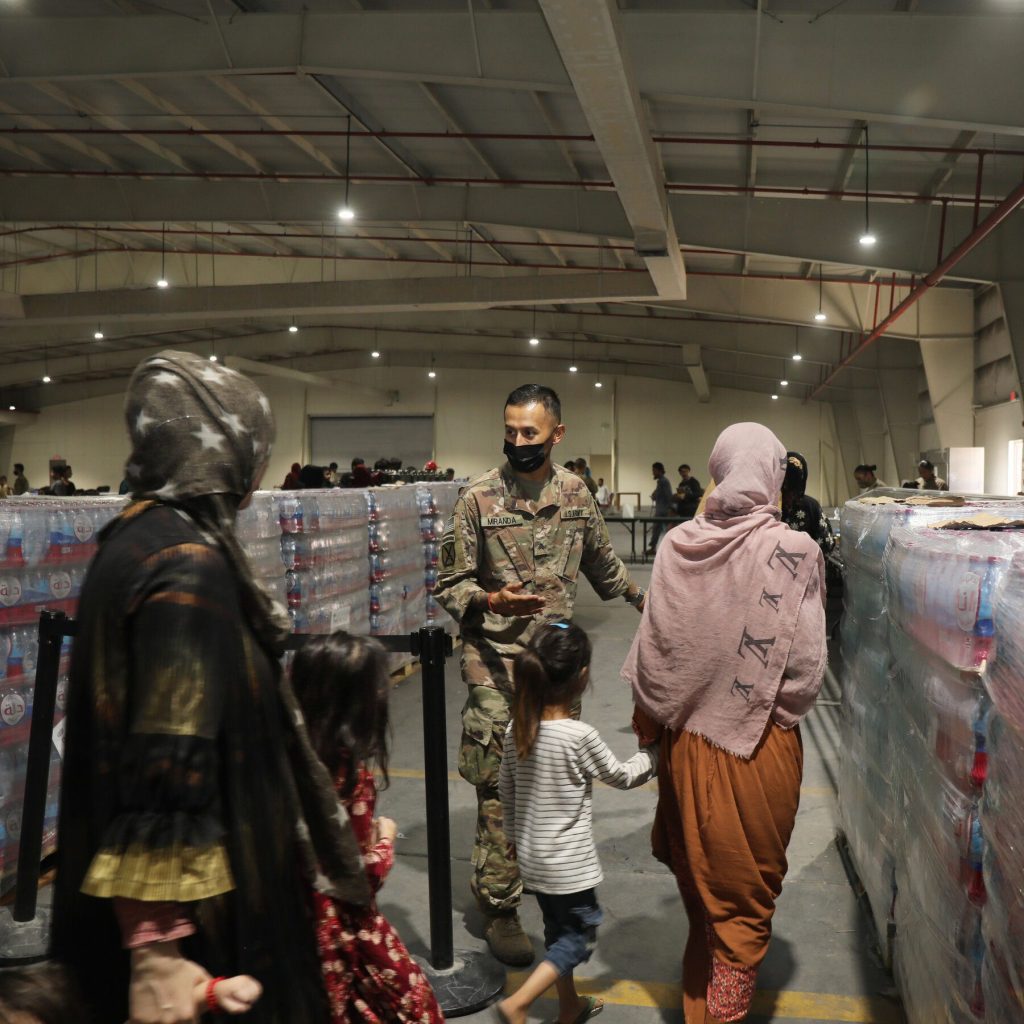
The US’s abrupt reversal on relocating Afghan allies has created a perfect storm of risks, straining global geopolitics, economic stability, and human rights. As thousands of Afghan refugees face an uncertain future, the international community must assess the far-reaching consequences of this decision.
Core News: Afghan allies who collaborated with US forces are being forced back to their homeland or relocated to the Democratic Republic of Congo (DRC), sparking widespread anxiety and anger. This abrupt shift in relocation plans, announced without prior consultation, has left the affected community reeling.
Impact Analysis: This crisis has significant economic, political, and human rights implications, with risks escalating in multiple dimensions.
1. Weakening of US Influence: The US’s reliability and commitment to allies are being called into question. This undermining of trust may prompt other nations to reevaluate their partnerships with the US, altering the global balance of power.
2. Surge in Refugee Flows: The influx of Afghan refugees into the DRC may exacerbate regional instability, straining economic and social infrastructure, leading to social unrest, poverty, and humanitarian crises.
3. Rise of Taliban Influence: By forcing Afghan refugees to return home, the international community risks emboldening extremist groups, including the Taliban, which may target those who collaborated with US forces. This may destabilize the region further and fuel a resurgence of terrorism.
Broader Implications: This crisis has far-reaching implications for global economic stability, human rights, and regional security.
1. Humanitarian Crisis Looming: The sudden displacement of Afghan refugees may lead to a humanitarian crisis, overwhelming resources and infrastructure in the DRC and other hosting countries.
2. Regional Instability: The surge in refugee flows and the rise of Taliban influence may destabilize the region, potentially triggering a new wave of terrorist attacks and conflict.
3. Global Economic Impacts: The strain on regional economies and infrastructure may have broader economic implications, including decreased trade, investment, and economic growth.
Forward-Looking Insights: As the situation unfolds, it is critical to assess the long-term consequences of this decision and engage in a collaborative effort to address the humanitarian crisis, regional instability, and global economic impacts. This may involve:
1. Negotiating with the Taliban: Engaging in dialogue with the Taliban to address the concerns of Afghan allies and prevent further instability.
2. Scaling Up Humanitarian Aid: Mobilizing international assistance to support refugees and host countries, ensuring that resources are allocated efficiently and effectively.
3. Strengthening Regional Partnerships: Fostering robust partnerships with regional actors to address the root causes of instability and promote regional security.
As the world grapples with the implications of this crisis, it is essential to prioritize collaboration, diplomacy, and humanitarian action to mitigate the risks and consequences of this unfolding disaster.
Global Consequences of Abandoned Afghan Allies: Unpacking the Risks and Implications The US’s abrupt reversal on relocating Afghan allies has created a perfect storm of risks, straining global geopolitics, economic…