Europe warns of Russia’s hybrid attacks but struggles to counter them
  Former chief election commissioner calls SIR scheme illegal.
  A Corruption Scandal Is Reshaping Brazil’s Presidential Election
  US citizen injured in Illinois after ICE agents mistook him for fugitive, tried to arrest him
  At 10 years old, Smithsonian’s Black museum is undaunted amid pressure from Trump administration
 Iran Reverses Decision to Open Strait of Hormuz Amid US Blockade
iran reverses decision open:
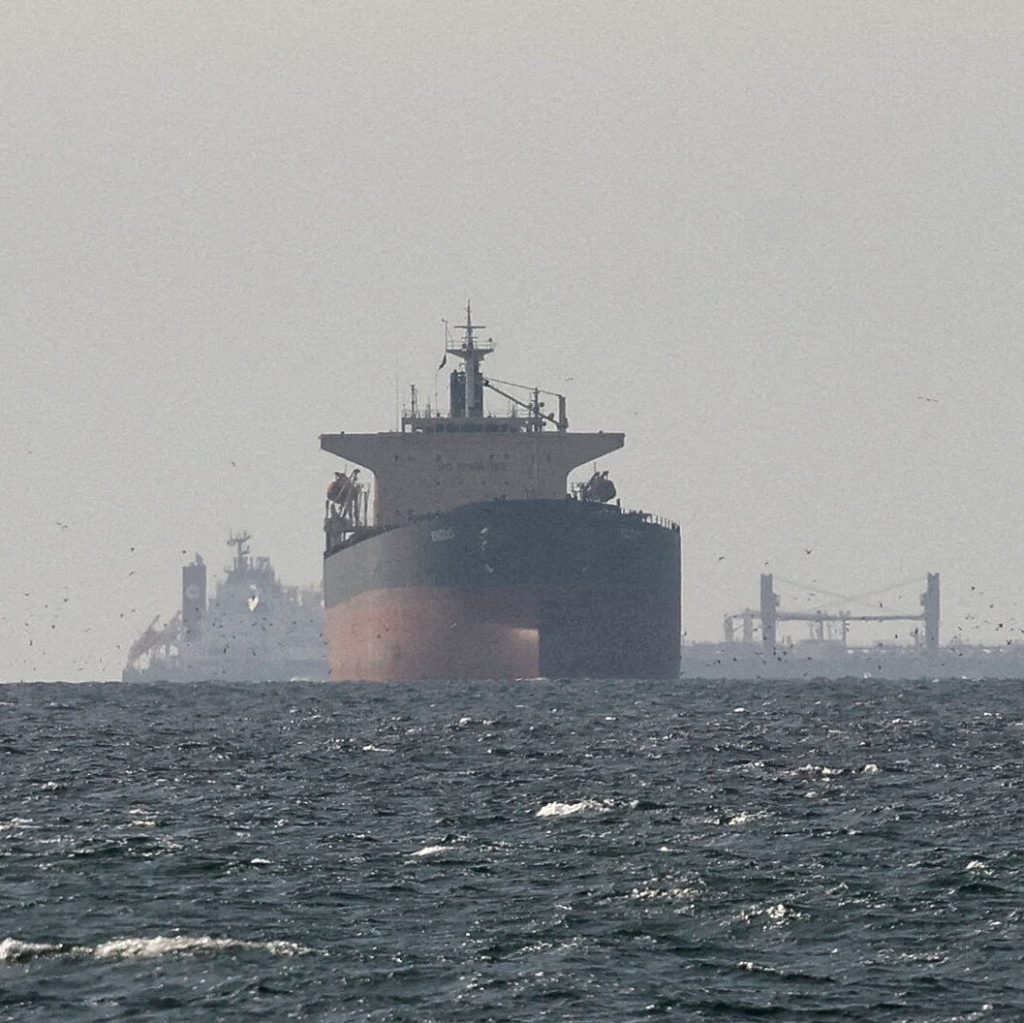
In a significant development, Iran has rolled back its decision to open the Strait of Hormuz, a crucial waterway in the Middle East, due to the ongoing US blockade. According to Parliament Speaker Mohammad Bagher Ghalibaf, the route will remain closed under the current conditions. This move is seen as a response to the escalating tensions between Iran and the United States. The Strait of Hormuz is a vital shipping lane that connects the Persian Gulf to the Gulf of Oman, and its closure can have significant implications for global trade and energy security.
The decision to keep the Strait of Hormuz closed was announced by Ghalibaf, who cited the need for the US to lift its blockade on Iran. The blockade, imposed by the US, has been a major point of contention between the two countries, with Iran arguing that it is unfair and detrimental to its economy. The US, on the other hand, has maintained that the blockade is necessary to prevent Iran from developing its nuclear program and supporting terrorist activities.
The situation in the region remains volatile, with both countries engaging in a war of words. Recently, the President of the United States made several claims about Iran in a speech, which were promptly rejected by Iranian officials. Ghalibaf was quoted as saying that the US President made seven claims in one hour, all of which were false. This exchange highlights the deep-seated mistrust and animosity between the two nations.
The closure of the Strait of Hormuz can have far-reaching consequences for the global economy. The waterway is a critical shipping lane, with a significant portion of the world’s oil supplies passing through it. Any disruption to traffic in the strait can lead to increased oil prices and potentially even shortages. As such, the international community is watching the situation closely, with many calling for a peaceful resolution to the standoff.
The US-Iran tensions have been escalating for some time now, with both countries imposing sanctions and engaging in tit-for-tat diplomacy. The situation has been further complicated by the presence of other regional players, including Saudi Arabia and the United Arab Emirates. As the situation continues to unfold, it remains to be seen how the US and Iran will navigate their differences and find a way to resolve the crisis.
The Iranian government has maintained that it will not back down in the face of US pressure, and that it will take all necessary measures to protect its interests. The US, on the other hand, has said that it will continue to apply pressure on Iran until it agrees to renegotiate the nuclear deal and cease its support for terrorist activities. With neither side showing any signs of compromise, the situation in the region remains highly uncertain.
As the standoff continues, the international community is urging both sides to engage in dialogue and find a peaceful resolution to the crisis. The closure of the Strait of Hormuz is a serious escalation of the situation, and it is imperative that both countries take steps to de-escalate tensions and find a way forward. The world is watching the situation closely, with many hoping that a peaceful resolution can be found before it’s too late.