Europe warns of Russia’s hybrid attacks but struggles to counter them
  Former chief election commissioner calls SIR scheme illegal.
  A Corruption Scandal Is Reshaping Brazil’s Presidential Election
  US citizen injured in Illinois after ICE agents mistook him for fugitive, tried to arrest him
  At 10 years old, Smithsonian’s Black museum is undaunted amid pressure from Trump administration
 Rubio Skips Iran Talks as Trump Delegates Diplomacy, Highlighting Shift in U.S. Foreign Policy Strategy
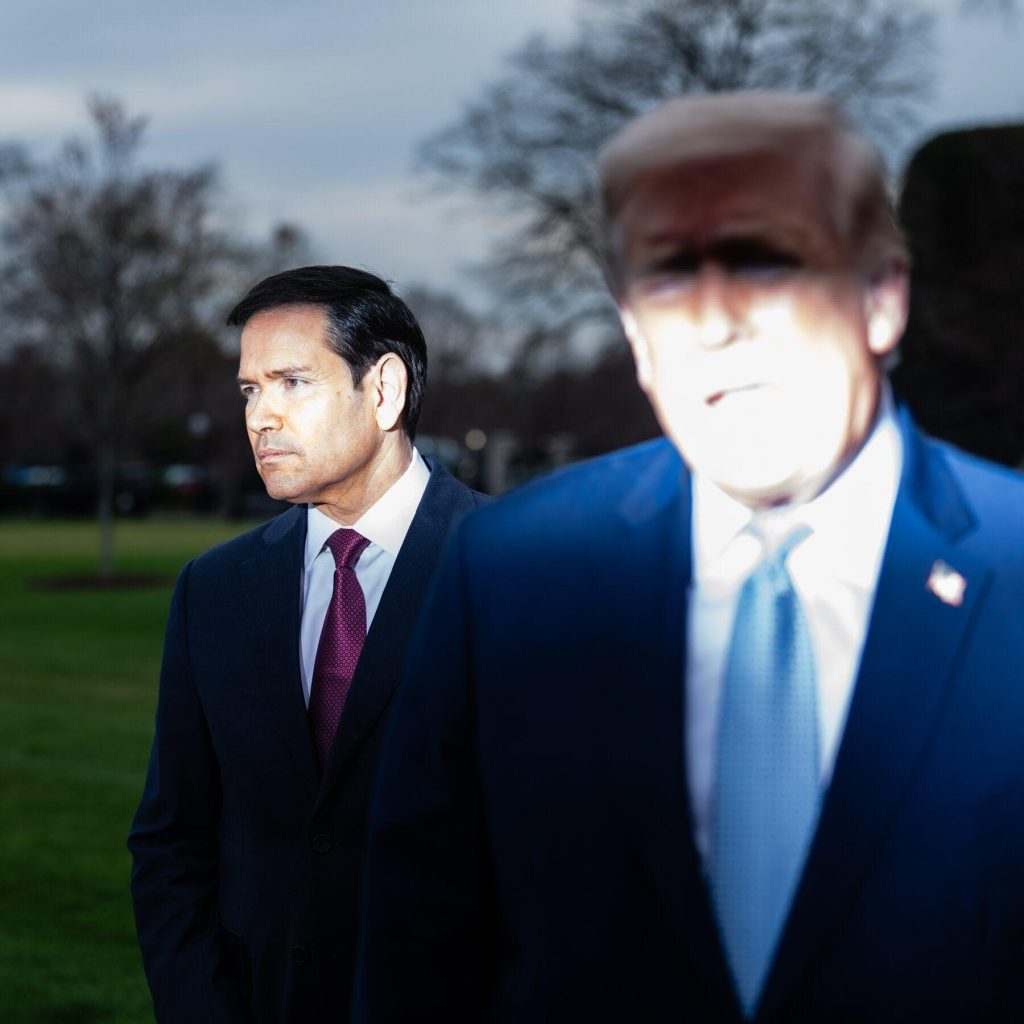
The absence of U.S. Secretary of State Marco Rubio from the latest round of high-stakes Iran negotiations has drawn significant attention in diplomatic and political circles, highlighting a notable shift in how the Trump administration is conducting foreign policy. As talks aimed at easing tensions with Tehran continue, Rubio’s decision to stay back and focus on his parallel role as national security adviser underscores a broader restructuring of U.S. diplomacy—one that increasingly relies on delegation and centralized strategic control within the White House.
At a time when negotiations with Iran are at a delicate juncture, Rubio’s absence from direct participation stands out. Traditionally, the Secretary of State plays a central role in leading diplomatic engagements, especially those involving adversarial nations and high geopolitical stakes. However, in the current scenario, Rubio has opted to remain in Washington, prioritizing his responsibilities as national security adviser rather than attending the talks.
Reports indicate that other figures, including special envoy Steve Witkoff and senior adviser Jared Kushner, have taken the lead in representing the United States during these negotiations. This redistribution of diplomatic responsibilities reflects a conscious decision by President Donald Trump to delegate negotiation duties while maintaining strategic oversight through a tight-knit inner circle.
Dual Role: Secretary of State and National Security Adviser
Rubio’s unique position—holding both the Secretary of State portfolio and serving as national security adviser—has added complexity to his responsibilities. This dual role is uncommon in modern U.S. governance and has effectively split his focus between external diplomacy and internal strategic coordination.
As national security adviser, Rubio is deeply involved in shaping policy, coordinating intelligence inputs, and advising the president on matters ranging from military operations to geopolitical strategy. This role requires constant presence in Washington, particularly during periods of heightened international tension such as the ongoing standoff with Iran.
According to recent reports, Rubio has been prioritizing this advisory function, which is seen as more aligned with Trump’s centralized decision-making style. Instead of acting as the primary negotiator, Rubio is helping define the broader framework within which negotiations are conducted.
Trump’s Delegated Diplomacy Model
President Trump’s approach to foreign policy has long been characterized by an unconventional style that blends direct engagement with strategic delegation. In the context of Iran talks, this approach is becoming increasingly evident.
Rather than relying solely on traditional diplomatic channels, Trump has entrusted key negotiations to trusted allies and envoys. Figures like Jared Kushner and Steve Witkoff have emerged as central players in the diplomatic process, often operating outside the conventional State Department structure.
This model allows the president to maintain flexibility and control while avoiding the constraints of formal diplomatic protocols. It also enables the administration to test different negotiation strategies without committing high-level political capital prematurely.
However, this approach has raised questions about coherence and consistency in U.S. foreign policy. Critics argue that sidelining the Secretary of State in critical negotiations could weaken institutional credibility and create confusion among international partners.
Strategic Rationale Behind Rubio’s Decision
Rubio’s absence is not merely a logistical decision but appears to be part of a broader strategic calculation. By remaining in Washington, he can focus on coordinating multiple aspects of U.S. policy simultaneously, including military posture, intelligence assessments, and diplomatic messaging.
This centralized approach is particularly important given the complexity of the Iran situation, which involves not just bilateral negotiations but also regional dynamics involving Israel, Gulf states, and global powers such as Russia and China.
Moreover, Rubio’s role as national security adviser places him at the center of crisis management. With tensions in the Middle East remaining volatile—ranging from maritime confrontations in the Strait of Hormuz to proxy conflicts involving Hezbollah and other groups—his presence in the White House ensures rapid decision-making and coordination.
Implications for Iran Negotiations
The absence of a top diplomat like Rubio at the negotiating table inevitably affects the perception and dynamics of the talks. On one hand, it could signal a lowering of expectations, suggesting that the U.S. does not anticipate a major breakthrough in the current round of discussions.
On the other hand, it may provide negotiators with greater flexibility. Without the direct involvement of the Secretary of State, envoys can explore options and make preliminary agreements without the pressure of immediate political scrutiny.
Recent developments indicate that the talks themselves are already facing challenges. Internal divisions within Iran’s leadership have complicated the negotiation process, making it difficult for Tehran to present a unified position. This uncertainty has further reduced the likelihood of a swift resolution.
Domestic and International Reactions
Rubio’s absence has sparked debate within the United States and among international observers. Supporters of the administration argue that the current approach reflects a pragmatic adaptation to evolving geopolitical realities. They contend that effective diplomacy does not necessarily require the physical presence of top officials, especially in an era of real-time communication and complex multilateral negotiations.
Critics, however, view the move as a departure from established diplomatic norms. They argue that the Secretary of State’s absence could be interpreted as a lack of commitment or seriousness, potentially undermining the credibility of the U.S. negotiating position.
Internationally, allies and adversaries alike are closely watching these developments. For countries involved in or affected by the Iran negotiations, the structure and leadership of the U.S. delegation are key indicators of Washington’s priorities and intentions.
Broader Shift in U.S. Foreign Policy
The situation also reflects a broader transformation in U.S. foreign policy under the Trump administration. Traditional institutions such as the State Department are being complemented—or in some cases, bypassed—by alternative channels of influence centered around the White House.
This shift is part of a larger trend toward personalization of diplomacy, where relationships and trust between key individuals play a more significant role than formal institutional processes.
Rubio’s dual role exemplifies this trend. While he remains a central figure in shaping policy, his reduced visibility in direct negotiations highlights the changing nature of diplomatic engagement.
Challenges and Risks
While the current approach offers certain advantages, it also comes with risks. One of the primary challenges is ensuring coordination among different actors involved in the negotiation process. With multiple envoys and advisers operating simultaneously, there is a potential for mixed signals or conflicting strategies.
Another risk is the erosion of institutional expertise. The State Department has traditionally been the hub of diplomatic knowledge and experience, and sidelining its leadership could weaken the overall effectiveness of U.S. diplomacy.
Furthermore, the success of this model depends heavily on the individuals involved. The ability of envoys like Kushner and Witkoff to navigate complex geopolitical issues will play a crucial role in determining the outcome of the negotiations.
The Road Ahead
As the Iran talks continue, the focus will remain on whether the current strategy can deliver tangible results. The absence of Rubio may be temporary, and he could join future rounds of negotiations if the situation demands a higher level of engagement.
For now, the administration appears to be testing a more flexible and decentralized approach to diplomacy. Whether this approach proves effective will depend on a range of factors, including the willingness of Iran to engage constructively and the ability of U.S. negotiators to build consensus.
AI Insights
Marco Rubio’s absence from the Iran talks is more than just a scheduling decision—it is a reflection of a broader shift in how the United States conducts diplomacy. By prioritizing his role as national security adviser and delegating negotiation responsibilities to other figures, Rubio is embodying a new model of foreign policy that emphasizes strategic coordination over traditional diplomatic presence.
As the situation unfolds, this approach will continue to be scrutinized for its effectiveness and implications. In a world of increasingly complex geopolitical challenges, the balance between innovation and tradition in diplomacy remains a critical question for policymakers and observers alike.