Europe warns of Russia’s hybrid attacks but struggles to counter them
  Former chief election commissioner calls SIR scheme illegal.
  A Corruption Scandal Is Reshaping Brazil’s Presidential Election
  US citizen injured in Illinois after ICE agents mistook him for fugitive, tried to arrest him
  At 10 years old, Smithsonian’s Black museum is undaunted amid pressure from Trump administration
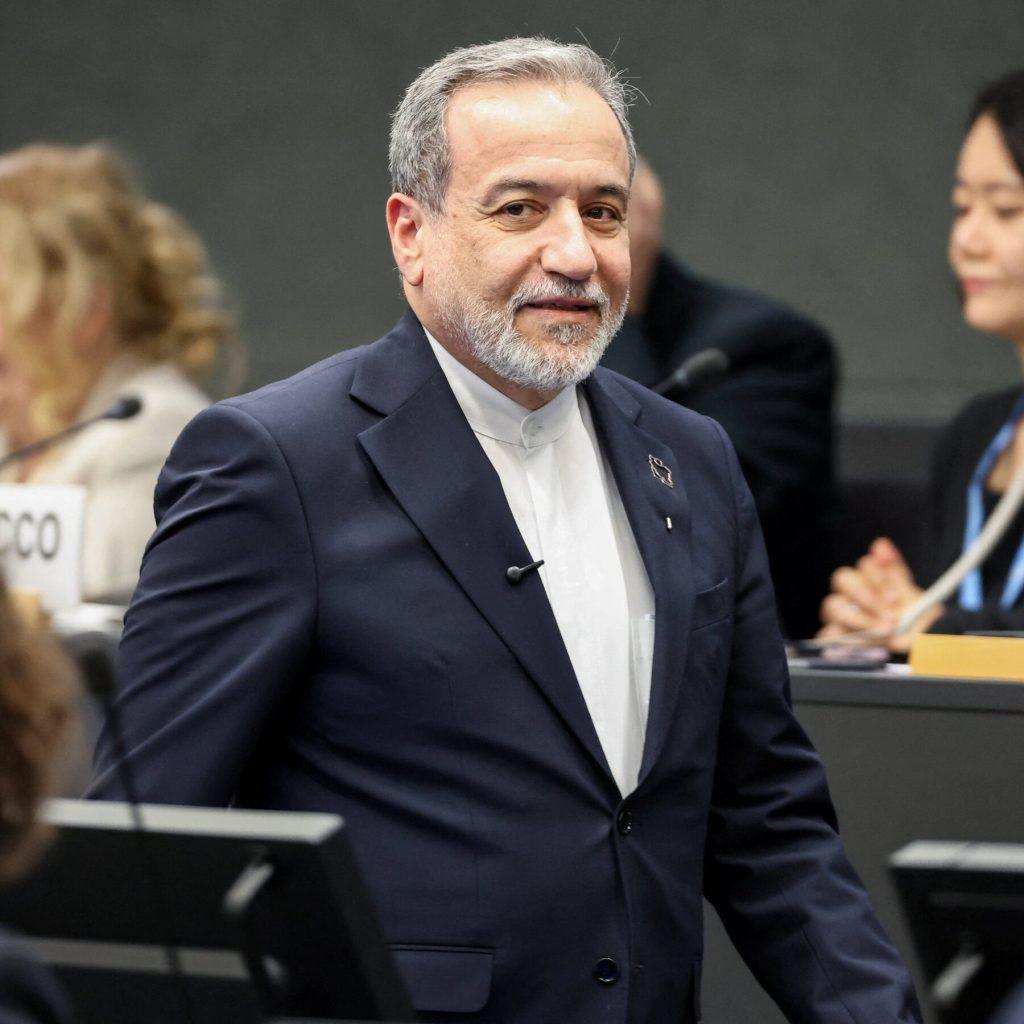
 IRAN’S Foreign Minister Heads to Moscow for Putin Talks Amid Shift in Mideast Diplomacy
**
irans foreign minister heads:
Summary
In a significant development, Abbas Araghchi, Iran’s foreign minister, is headed to Russia for talks with Russian President Vladimir Putin, signaling a potential shift in Iran’s diplomatic strategy.
The meeting’s focus on necessary coordination with Russia on regional conflicts suggests a growing alignment of interests between the two nations.
Updated: April 27, 2026
Summary
In a significant development, Abbas Araghchi, Iran’s foreign minister, is headed to Russia for talks with Russian President Vladimir Putin, signaling a potential shift in Iran’s diplomatic strategy. The meeting’s focus on necessary coordination with Russia on regional conflicts suggests a growing alignment of interests between the two nations.
Core News
Araghchi’s trip to Moscow, coming on the heels of stalled US-led negotiations to end the Middle East conflict, marks a calculated move by Tehran to diversify its diplomatic options. Sources indicate the meeting with Putin will address key areas of cooperation, including military strategy, energy policy, and regional security.
Impact Analysis
The visit has significant economic and political implications:
1. Receding US influence: Araghchi’s Moscow meeting implies Iran’s willingness to distance itself from US-led negotiations, potentially eroding American leverage in the region.
2. Russia’s regional expansion: By engaging with Iran, Putin can further solidify Russia’s position as a mediator in Middle East conflicts, reinforcing its claims as a global superpower.
3. Oil market volatility: Increased cooperation between Russia and Iran could lead to a surge in oil production, potentially destabilizing global markets and contributing to price hikes.
4. Geopolitical rivalries: The meeting may also heighten tensions between Russia and its adversaries, including NATO member states, with potential knock-on effects for global military dynamics.
Broader Implications
The Araghchi-Putin meeting represents a broader shift in global geopolitics:
1. Multipolar world order: The growing alignment of interests between Iran and Russia suggests a potential new axis of power, challenging the existing order dominated by the US.
2. Increased proxy conflicts: Tehran and Moscow may leverage their strengthened ties to amplify regional proxy conflicts, potentially drawing in other global powers and heightening tensions.
3. US-Iran nuclear deal at risk: Stalled US-led negotiations and Iran’s diplomatic pivot to Russia raise the prospects of a renewed nuclear crisis, imperiling potential diplomatic breakthroughs.
4. Global economic instability: The meeting’s impact on global oil markets, supply chains, and economic power balances makes it a pivotal moment in global trade and finance.
As the world watches the emergence of this new geopolitical reality, one thing is clear: the stakes are high, and the consequences of these diplomatic shifts will reverberate across global economies and power structures.
Iran's diplomatic pivot to Russia marks a significant shift in the Middle East dynamics, as Tehran diversifies its options in a bid to balance power with a region increasingly dominated by the US's adversaries. This calculated move has far-reaching implications, from heightening geopolitical tensions between rival global powers to potentially destabilizing global oil markets and economies.
This is a developing story. More updates will follow as new information becomes available.
This is a developing story. More updates will follow as new information becomes available.