Europe warns of Russia’s hybrid attacks but struggles to counter them
  Former chief election commissioner calls SIR scheme illegal.
  A Corruption Scandal Is Reshaping Brazil’s Presidential Election
  US citizen injured in Illinois after ICE agents mistook him for fugitive, tried to arrest him
  At 10 years old, Smithsonian’s Black museum is undaunted amid pressure from Trump administration
 Iran Proposes Solution to Strait of Hormuz Crisis, Easing Middle East Tensions
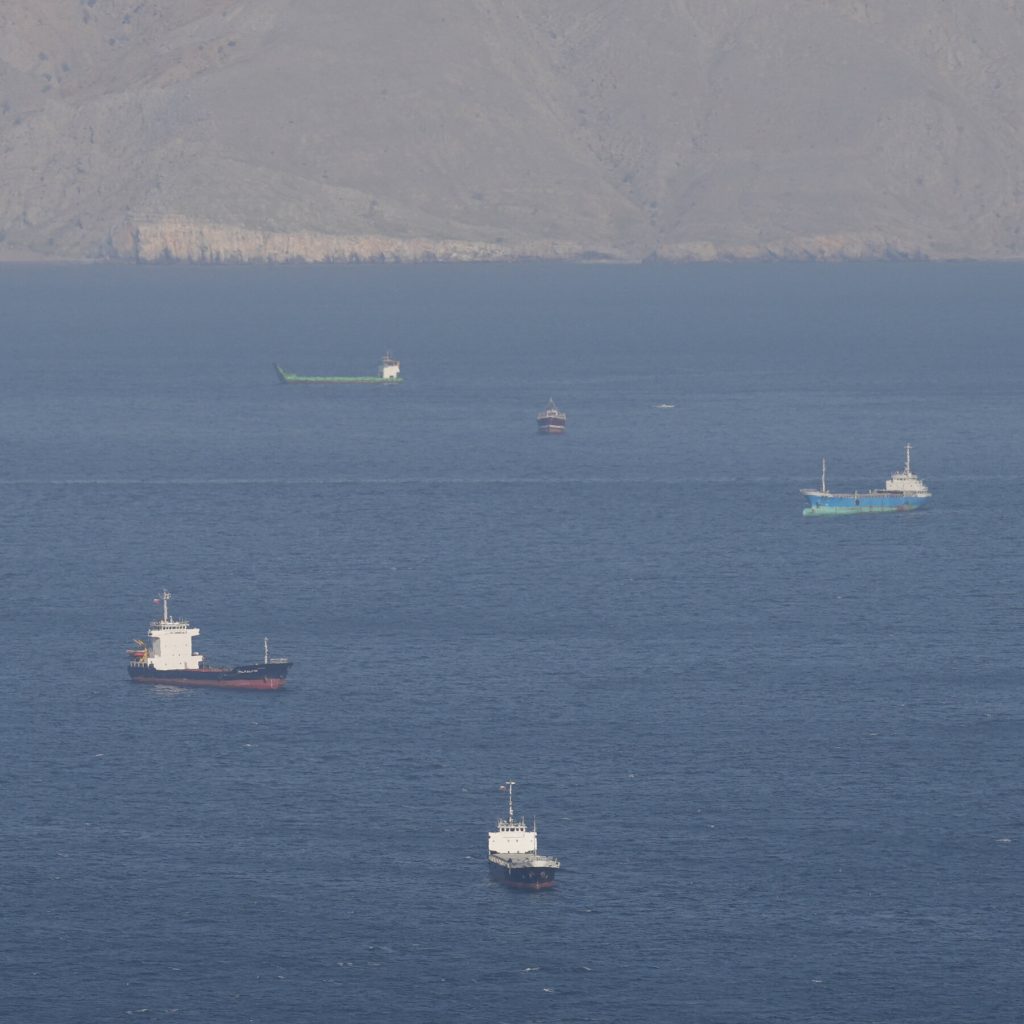
iran proposes solution strait:
Middle East Crisis Eases as Iran Proposes Solution for Strait of Hormuz
A significant development has emerged in the Middle East crisis as Iran has offered to ease its effective blockade of the Strait of Hormuz, a crucial waterway that connects the Persian Gulf to the Arabian Sea.
Sources close to the negotiations indicate that Iran’s proposal is conditional upon the United States ending its counter-blockade of Iranian ports, which has led to a standoff in the region.
Updated: April 27, 2026
Middle East Crisis Eases as Iran Proposes Solution for Strait of Hormuz
A significant development has emerged in the Middle East crisis as Iran has offered to ease its effective blockade of the Strait of Hormuz, a crucial waterway that connects the Persian Gulf to the Arabian Sea. Sources close to the negotiations indicate that Iran’s proposal is conditional upon the United States ending its counter-blockade of Iranian ports, which has led to a standoff in the region.
What Happened
The new proposal suggests that shipping companies would be required to pay for specific services when crossing the 90-mile-wide Strait of Hormuz. This would allow Iran to generate revenue from the maritime traffic without labeling it as a toll, which could potentially circumvent international law. Iran has reportedly developed this plan in collaboration with Oman, highlighting a possible attempt to find a diplomatic solution to the long-standing dispute.
Background: Unfolding Timeline
2015: The Joint Comprehensive Plan of Action (JCPOA) is signed, aiming to curb Iran’s nuclear program in exchange for sanctions relief.
2018: The US withdraws from the JCPOA, prompting the re-imposition of economic sanctions on Iran.
2019: The US Navy increases its presence in the Persian Gulf, leading to a rise in tension with Iran.
2021: Iran seizes a South Korean-flagged tanker, further exacerbating the situation.
2022: Iran announces the expansion of its uranium enrichment program, raising concerns over its nuclear ambitions.
Key Concerns
While the proposal appears to address one aspect of the conflict, it has not directly addressed Iran’s nuclear program. Iran’s nuclear ambitions remain a pressing concern, with the International Atomic Energy Agency (IAEA) reporting the country’s enrichment activities in recent months. The absence of a clear commitment from Iran to address these concerns has raised eyebrows among international observers.
Additionally, the proposal’s focus on generating revenue through service charges has sparked concerns over the potential impact on global trade. Critics argue that it could lead to increased costs for shipping companies, which may be passed on to consumers, and could also create a precedent for other nations to impose similar fees on strategic waterways.
What Next
The proposed solution to the Strait of Hormuz crisis marks a significant step in the direction of de-escalation, but its success will depend on the willingness of all parties involved to engage in constructive dialogue. Iran’s refusal to explicitly address its nuclear program, however, remains a significant hurdle. The international community is closely watching the developments, with the IAEA and other organizations likely to monitor Iran’s compliance with nuclear regulations closely.
In the coming weeks and months, the US and other countries involved will need to carefully weigh the implications of Iran’s proposal against the ongoing concerns over its nuclear ambitions. A peaceful resolution to the Middle East crisis would require a concerted effort from all parties to find a mutually acceptable solution, one that addresses the root causes of the conflict and promotes stability in the region.
Iran's conditional offer may be a clever negotiating tactic to lift some economic pressure, but it's likely a calculated gamble to gauge the international community's willingness to engage with the country's other contentious issues, such as its nuclear program.
This proposal highlights the complex dynamics at play in the Middle East, where economic interests are intertwined with strategic and security concerns, making a peaceful resolution a challenging and delicate balancing act
This is a developing story. More updates will follow as new information becomes available.
This is a developing story. More updates will follow as new information becomes available.