Europe warns of Russia’s hybrid attacks but struggles to counter them
  Former chief election commissioner calls SIR scheme illegal.
  A Corruption Scandal Is Reshaping Brazil’s Presidential Election
  US citizen injured in Illinois after ICE agents mistook him for fugitive, tried to arrest him
  At 10 years old, Smithsonian’s Black museum is undaunted amid pressure from Trump administration
 Rahul Gandhi Condemns 993 LPG Price Hike as ‘Election Bill’ in India
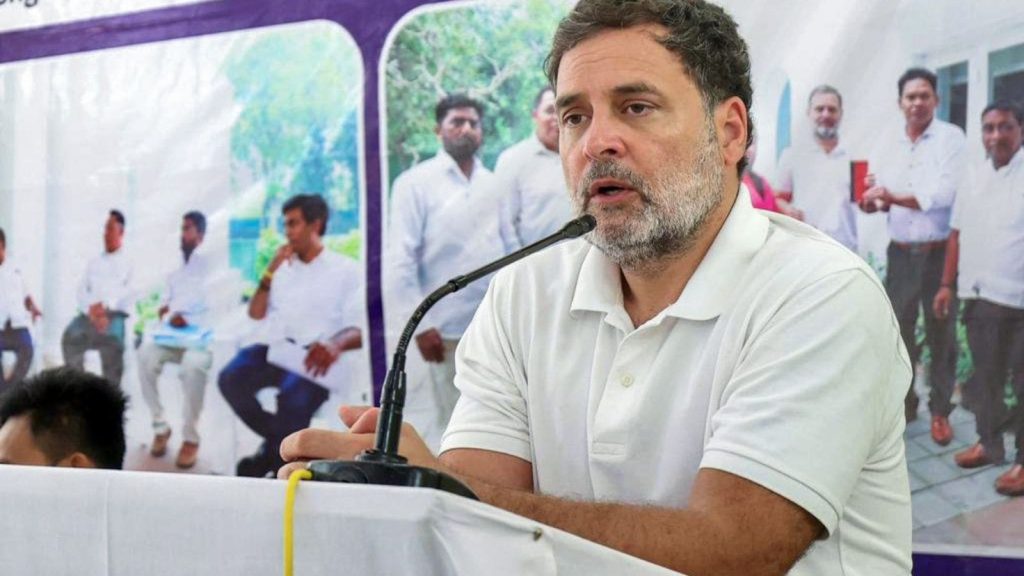
rahul gandhi condemns price:
Election Bill Gas Price Hike Sparks Uproar: Assessing the Financial and Political Fallout
India’s recent announcement of a ₹993 hike in commercial LPG cylinder prices has ignited a fiery debate over the country’s energy policy, with Opposition leader Rahul Gandhi branding the move an election bill engineered to exploit citizens post-election.
This controversy has critical implications for India’s economy, fuel pricing, and energy market dynamics.
Updated: May 1, 2026
Election Bill Gas Price Hike Sparks Uproar: Assessing the Financial and Political Fallout
India’s recent announcement of a ₹993 hike in commercial LPG cylinder prices has ignited a fiery debate over the country’s energy policy, with Opposition leader Rahul Gandhi branding the move an election bill engineered to exploit citizens post-election. This controversy has critical implications for India’s economy, fuel pricing, and energy market dynamics.
Rahul Gandhi has led the Opposition’s charge against the government, accusing it of artificially suppressing fuel prices before elections and subsequently passing on the burden to consumers and small businesses. The accusation centers around the ₹993 hike in commercial LPG cylinder prices, which has been framed as a post-election correction with disastrous economic and social consequences.
Impact Analysis
The economic and financial fallout of the gas price hike is multifaceted and severe:
1. Fuel price volatility: The sudden and sharp rise in LPG prices will likely lead to widespread price increases in related sectors, amplifying inflationary pressures across the economy.
2. Ripple effects: With the government accused of manipulating prices for electoral gain, businesses and consumers will struggle with increased costs and diminished purchasing power, potentially eroding economic growth and competitiveness.
3. Vulnerability of small businesses and consumers: The increased burden on small businesses and low-income households will accelerate economic hardship and social inequality, raising concerns about social stability and governance.
Broader Implications
The Election Bill controversy highlights the complex web of economic, political, and social dynamics in India’s energy market. This development serves as a potent reminder of the risks associated with:
1. Fuel pricing policies: Governments must navigate the delicate balance between energy sector profitability and household affordability, minimizing distortions to fuel markets and ensuring price integrity.
2. Regulatory capture: Governments and institutions must remain vigilant in enforcing transparency, accountability, and fair market practices to shield citizens from exploitation and protect market integrity.
3. Voter trust erosion: Unintended consequences of electoral manipulation or perceived economic malfeasance can erode citizens’ trust in the government, weakening its legitimacy and accountability.
Forward-Looking Insights
To mitigate these risks and restore public confidence, governments must:
1. Establish independent price monitoring: Implement robust, transparent mechanisms to verify and validate fuel prices, precluding electoral manipulation or undue influence.
2. Foster a fair energy policy framework: Develop, implement, and regularly review policies that balance the interests of different stakeholders, ensuring a fair market that rewards efficiency, innovation, and productivity.
3. Strengthen institutions and accountability: Enhance governance and oversight structures to safeguard against corruption, regulatory capture, and price manipulation, upholding the interests of citizens and ensuring their trust in the government.
This contentious energy policy move not only strains India’s economy but also highlights the government’s vulnerability to charges of manipulating prices for electoral gain. It raises red flags about a culture of crony capitalism, where short-term political expediency supersedes long-term economic sustainability.
This is a developing story. More updates will follow as new information becomes available.