Europe warns of Russia’s hybrid attacks but struggles to counter them
  Former chief election commissioner calls SIR scheme illegal.
  A Corruption Scandal Is Reshaping Brazil’s Presidential Election
  US citizen injured in Illinois after ICE agents mistook him for fugitive, tried to arrest him
  At 10 years old, Smithsonian’s Black museum is undaunted amid pressure from Trump administration
 Donald Trump Raises Doubts on Iran’s 14-Point Nuclear Deal Proposal
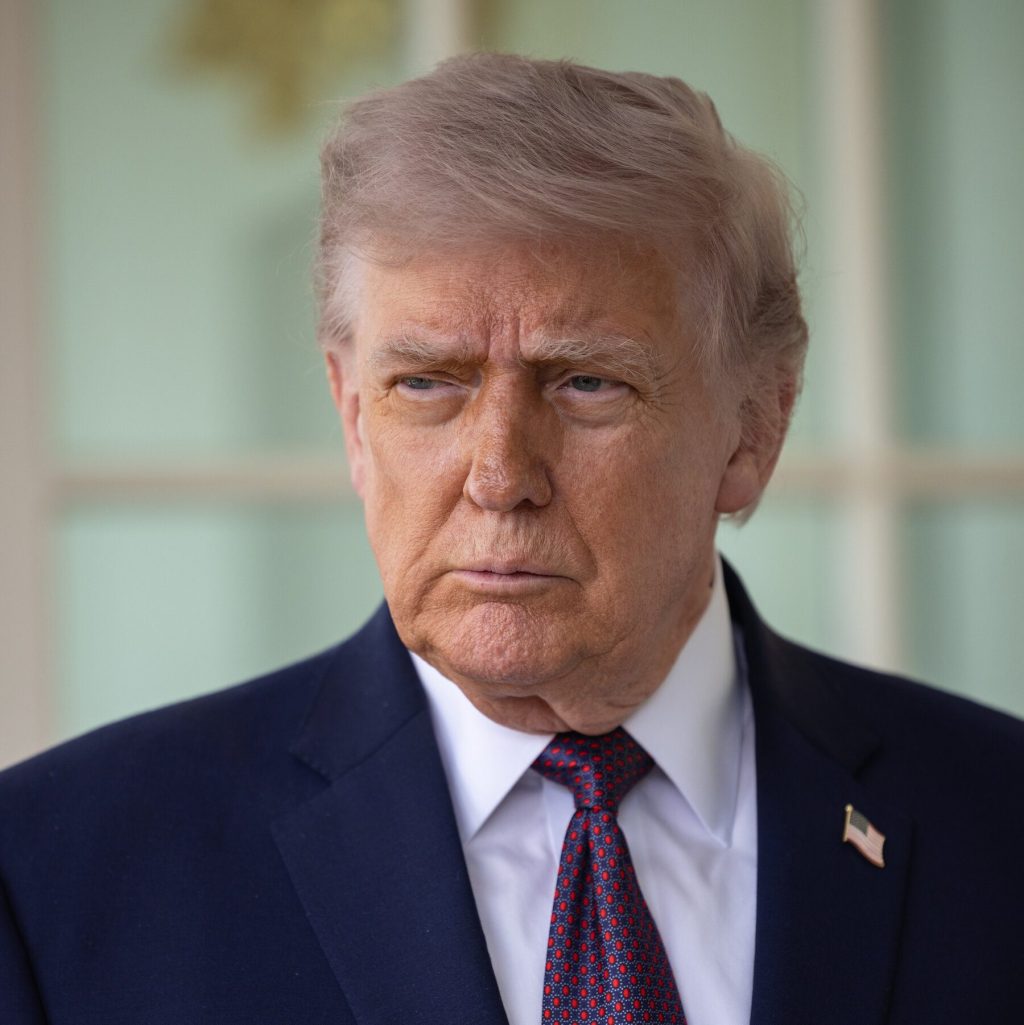
US-Iran Rapprochement Hits a Snag: Trump’s Uncertain Stance on New Peace Proposal
The fragile peace efforts between the United States and Iran have taken a hit, as Donald Trump casts doubts on the prospects of a new peace proposal submitted by Tehran.
The proposal, a 14-point plan outlining the parameters of a potential nuclear deal, has been sent via diplomatic channels through Pakistan.
Updated: May 3, 2026
US-Iran Rapprochement Hits a Snag: Trump’s Uncertain Stance on New Peace Proposal
The fragile peace efforts between the United States and Iran have taken a hit, as Donald Trump casts doubts on the prospects of a new peace proposal submitted by Tehran. The proposal, a 14-point plan outlining the parameters of a potential nuclear deal, has been sent via diplomatic channels through Pakistan. However, experts remain skeptical about its prospects, given the volatile history of US-Iran relations.
What Happened
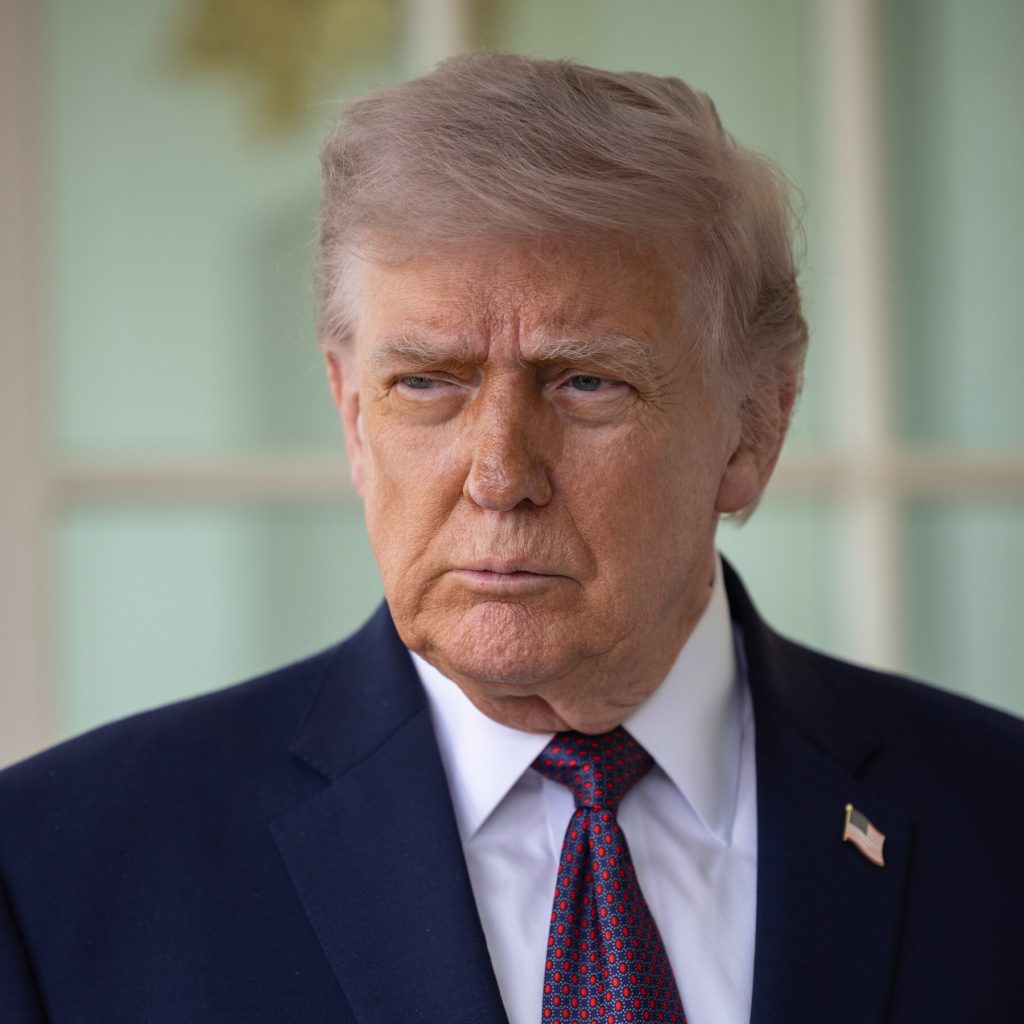
On Saturday, Donald Trump announced that he would review the new peace proposal from Iran. However, he also expressed a lack of confidence in its prospects, stating that Iran had not yet paid a big enough price for its alleged misdeeds. The US President’s comments have raised concerns that the proposal may be rejected, plunging the region into further uncertainty.
Background Timeline
The US-Iran standoff has been ongoing for decades, with moments of relative calm punctuated by periods of escalating tensions. Here’s a brief background timeline:
– 1979: Iran’s Islamic Revolution overthrows the monarchy, and the country begins to develop ties with anti-Western forces.
– 1980s: The Iran-Iraq War and the Iran-Contra Affair further strain relations between the US and Iran.
– 2003: The US-led invasion of Iraq sparks widespread protests in Iran, and Tehran begins to develop its nuclear program.
– 2015: The Joint Comprehensive Plan of Action (JCPOA), also known as the Iran nuclear deal, is signed between Iran, the US, and other world powers, limiting Iran’s nuclear capabilities in exchange for sanctions relief.
– 2019: The US withdraws from the JCPOA, reimposing harsh sanctions on Iran, which prompts Tehran to resume its nuclear activities.
– 2020: Tensions escalate as US forces, in cooperation with Saudi Arabia, launch airstrikes against Iranian-backed militias in Iraq and Yemen.
Key Concerns
Despite the new peace proposal, several key concerns remain:
1. Trust Building: After years of mistrust and proxy wars, rebuilding confidence between the US and Iran will be an arduous task.
2. Economic Sanctions: The US has maintained a tight grip on economic sanctions against Iran, which has stifled the country’s economy and made it difficult for the government to negotiate seriously.
3. Nuclear Program: Iran has continued to enrich uranium, despite restrictions under the JCPOA, sparking concerns about its intentions.
What’s Next
As the fate of the new peace proposal hangs in the balance, several outcomes are possible:
1. Rejection: Trump may ultimately reject the proposal, dealing a significant blow to already strained US-Iran relations.
2. Negotiations: Both sides may engage in talks, trying to iron out differences and reach a mutually acceptable deal.
3. Escalation: Tensions between the US and Iran may escalate further, leading to increased military build-ups and proxy conflicts in the region.
The future of US-Iran relations remains uncertain, with the new peace proposal caught in the middle. As experts closely watch the situation, one thing is clear: the stakes are high, and the consequences of failure will be far-reaching.
Here’s a 2-line original insight with interpretation:
With Iran’s new 14-point peace proposal, Donald Trump’s lack of confidence raises doubts about the sincerity of US intentions to negotiate. However, this cautious approach may actually be a strategic ploy by Trump to create uncertainty, allowing him to maintain leverage in future negotiations.
This is a developing story. More updates will follow as new information becomes available.