Europe warns of Russia’s hybrid attacks but struggles to counter them
  Former chief election commissioner calls SIR scheme illegal.
  A Corruption Scandal Is Reshaping Brazil’s Presidential Election
  US citizen injured in Illinois after ICE agents mistook him for fugitive, tried to arrest him
  At 10 years old, Smithsonian’s Black museum is undaunted amid pressure from Trump administration
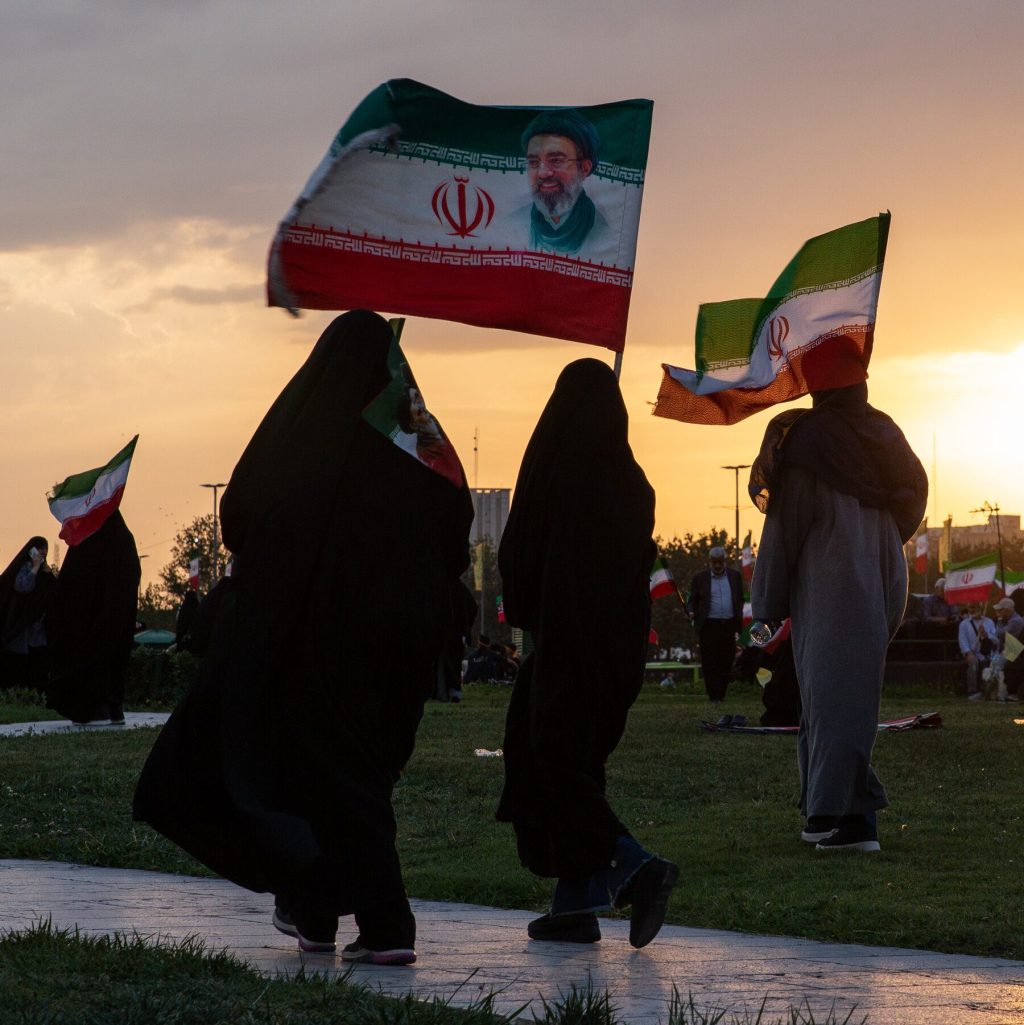
 US Responds to Iran’s Peace Proposal via Pakistani Mediators Amid Fears of Escalation
responds irans peace proposal:
The US has reportedly responded to Iran’s latest peace proposal via Pakistani mediators, with President Donald Trump expressing skepticism over its potential acceptance.
The proposal prioritizes ending the ongoing conflict over nuclear negotiations.
Updated: May 3, 2026
The US has reportedly responded to Iran’s latest peace proposal via Pakistani mediators, with President Donald Trump expressing skepticism over its potential acceptance. The proposal prioritizes ending the ongoing conflict over nuclear negotiations.
Core News: Iranian officials have confirmed receipt of the US response and are currently reviewing the content. According to Iran’s Foreign Ministry, the proposal relies on a comprehensive termination of hostilities, distinct from temporary ceasefires. This development marks a crucial juncture in the ongoing diplomatic efforts between the two nations.
Impact Analysis: The immediate economic impact of this development is uncertain, but it does create a glimmer of hope for a resolution to the conflict. A comprehensive peace agreement could lead to the stabilization of the region, potentially unlocking billions of dollars’ worth of oil exports and investments. However, the risk of escalation still looms, particularly if the proposal is deemed unacceptable by the US.
Risks and Implications: The rejection of the proposal by the US could lead to severe consequences, including a significant increase in oil prices, economic instability in the region, and further deterioration of diplomatic relations. If the proposal is successful, it may require significant concessions from Iran, including curbs on its nuclear program, which could lead to tensions with hardline factions within the country.
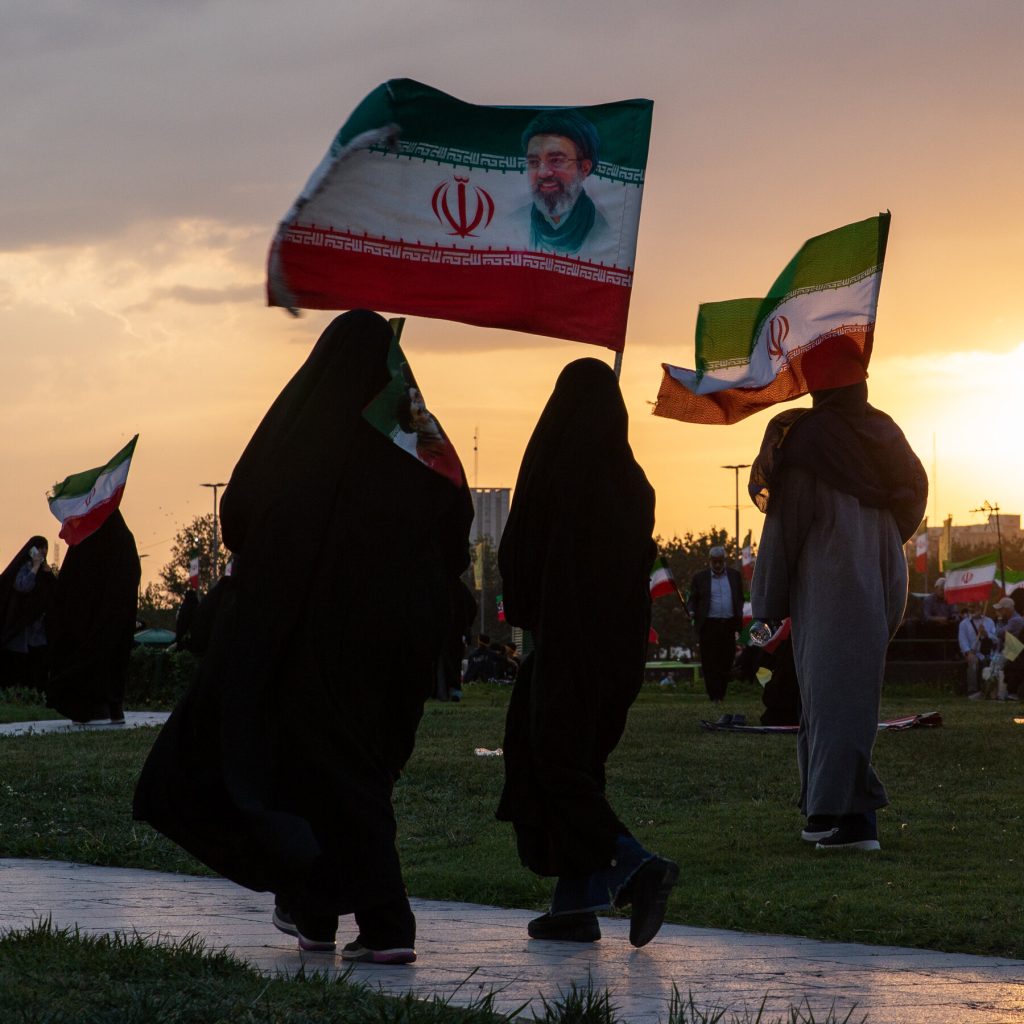
Forward-Looking Insights: A successful resolution to the conflict could have far-reaching implications for global energy markets and geopolitics. It could also set a precedent for future diplomatic efforts between Washington and Tehran. However, the complex web of regional dynamics, including the ongoing Syrian conflict and the Saudi-Iran rivalry, makes a comprehensive peace agreement a challenging and uncertain prospect.
Broader Implications: A lasting peace agreement between the US and Iran would not only be a significant achievement in regional diplomacy but also send a powerful message to other nations seeking to normalize relations with Washington. The implications of such a development would be felt across the Middle East, potentially impacting the Syrian conflict, the Lebanese border with Israel, and the broader Saudi-Iran rivalry. The global repercussions would be equally significant, influencing global energy markets, trade dynamics, and the overall trajectory of international relations.
The proposed Iranian peace plan’s emphasis on a comprehensive termination of hostilities, rather than temporary ceasefires, suggests a genuine willingness to put an end to the conflict, but this also raises questions about the long-term commitment of all parties involved.
The real test of this proposal’s viability lies in its ability to withstand scrutiny from both sides and navigate the complex web of regional dynamics, a feat that would require
This is a developing story. More updates will follow as new information becomes available.