Europe warns of Russia’s hybrid attacks but struggles to counter them
  Former chief election commissioner calls SIR scheme illegal.
  A Corruption Scandal Is Reshaping Brazil’s Presidential Election
  US citizen injured in Illinois after ICE agents mistook him for fugitive, tried to arrest him
  At 10 years old, Smithsonian’s Black museum is undaunted amid pressure from Trump administration
 Punjab Minister Sanjeev Arora Arrested in Rs 100 Cr GST Money Laundering Case
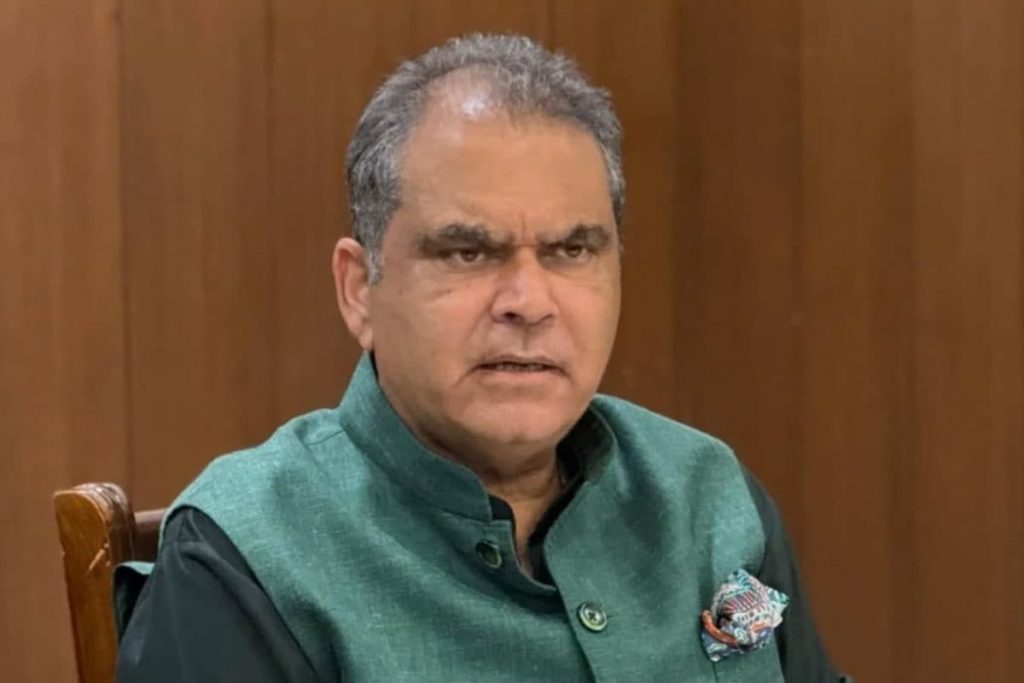
Summary: A high-stakes crackdown in India, with the Enforcement Directorate (ED) arresting Punjab Minister Sanjeev Arora in a Rs 100 crore money laundering case linked to fake Goods and Services Tax (GST) transactions.
This development not only sends a shockwave through Indian politics but also has far-reaching economic and geopolitical implications.
Updated: May 9, 2026
A high-stakes crackdown in India, with the Enforcement Directorate (ED) arresting Punjab Minister Sanjeev Arora in a Rs 100 crore money laundering case linked to fake Goods and Services Tax (GST) transactions. This development not only sends a shockwave through Indian politics but also has far-reaching economic and geopolitical implications.
Core News: The ED, India’s premier financial investigation agency, has taken a bold step by arresting Sanjeev Arora, a key figure in the ruling Aam Aadmi Party (AAP) government in Punjab. The arrest is linked to an investigation into a massive money laundering case, involving fake GST transactions estimated to be worth Rs 100 crore. The ED’s move is seen as a significant blow to the AAP, which has been grappling with corruption charges in recent months.
Impact Analysis: The ED’s arrest of Sanjeev Arora sends a strong message of the government’s determination to tackle corruption and money laundering. However, it also risks further polarizing the AAP and BJP, two major parties in India’s complex politics landscape. The Economic implications are significant, as the fake GST transactions involved in the case could potentially impact India’s tax revenue and GST collections.
Key Risks and Implications:
1. Erosion of Trust: The arrest of a key AAP leader could lead to a loss of public trust in the party and its leadership, potentially eroding its electoral prospects in upcoming polls.
2. Increased Polarization: The ED’s move could further polarize the BJP and AAP, two key players in Indian politics, with potential implications for national politics.
3. Economic Stability: The fake GST transactions involved in the case could impact India’s tax revenue and GST collections, potentially destabilizing the economy.
4. International Outlook: The case highlights India’s continued struggles with corruption and money laundering, potentially impacting its international reputation and economic relationships.
Broader Implications: The ED’s arrest of Sanjeev Arora is a reminder of the ongoing efforts to tackle corruption and money laundering in India. The case highlights the need for stronger regulations and enforcement mechanisms to prevent such occurrences. Moving forward, it is crucial for the government to maintain a balanced approach, ensuring that its efforts to combat corruption do not compromise economic stability or exacerbate polarization in Indian politics. The impact of this case will be closely watched, not only in India but also globally, as it reflects the country’s commitment to good governance and economic integrity.
The ED’s arrest of Sanjeev Arora underscores a larger power struggle within the Aam Aadmi Party, where the party’s anti-corruption rhetoric may be losing ground to internal corruption allegations. This power shift may ultimately test the party’s ability to maintain its grassroots appeal and electoral momentum.
This is a developing story. More updates will follow as new information becomes available.