Europe warns of Russia’s hybrid attacks but struggles to counter them
  Former chief election commissioner calls SIR scheme illegal.
  A Corruption Scandal Is Reshaping Brazil’s Presidential Election
  US citizen injured in Illinois after ICE agents mistook him for fugitive, tried to arrest him
  At 10 years old, Smithsonian’s Black museum is undaunted amid pressure from Trump administration
 Vice Admiral Krishna Swaminathan Appointed India’s Next Navy Chief Amid Maritime Expansion
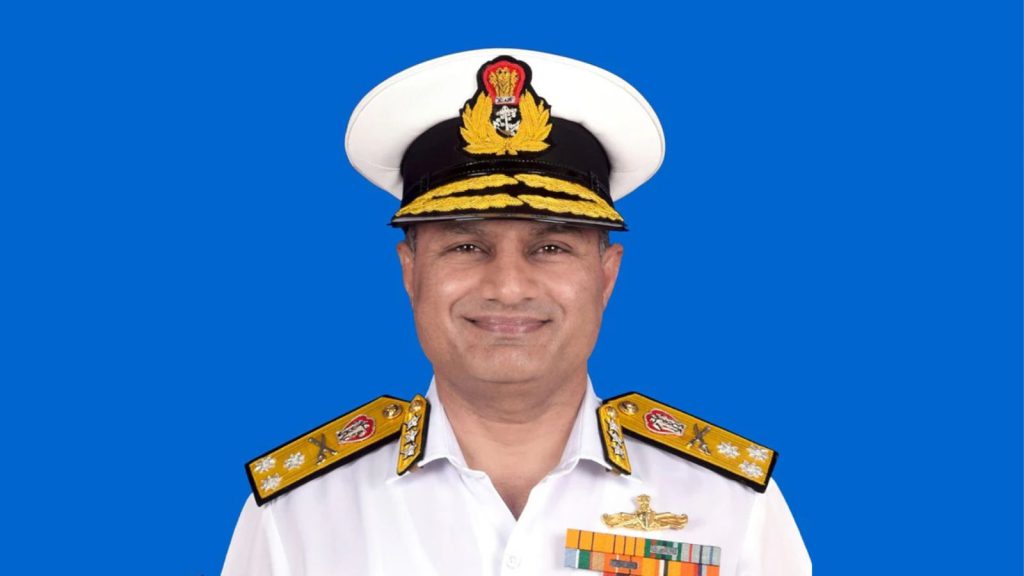
Indian Navy’s Leadership Transition Takes Shape: Meet Vice Admiral Krishna Swaminathan, the Next Navy Chief
In a development that signals a significant shift in India’s maritime strategy, Vice Admiral Krishna Swaminathan has been appointed as the next Chief of the Naval Staff, succeeding Admiral Dinesh Kumar Tripathi, who is set to retire on May 31, 2026.
This leadership transition, which marks a major milestone in the Indian Navy’s evolution, is taking place at an opportune moment, as India continues to expand its maritime capabilities and strategic footprint across the highly contested Indo-Pacific region.
Updated: May 9, 2026
Indian Navy’s Leadership Transition Takes Shape: Meet Vice Admiral Krishna Swaminathan, the Next Navy Chief
In a development that signals a significant shift in India’s maritime strategy, Vice Admiral Krishna Swaminathan has been appointed as the next Chief of the Naval Staff, succeeding Admiral Dinesh Kumar Tripathi, who is set to retire on May 31, 2026. This leadership transition, which marks a major milestone in the Indian Navy’s evolution, is taking place at an opportune moment, as India continues to expand its maritime capabilities and strategic footprint across the highly contested Indo-Pacific region.
What Happened
Vice Admiral Swaminathan, who has served for nearly four decades, is currently the Flag Officer Commanding-in-Chief of the Western Naval Command. His impressive tenure is marked by his operational expertise, discipline, and meticulous leadership style, which have earned him a reputation as a perfectionist with a keen eye for detail. Colleagues and peers who have worked closely with him hail him as a leader with a strong vision and unmatched attention to detail, qualities that have enabled him to navigate the complexities of the Indian Navy’s operations with ease.
Background
India’s maritime strategy has undergone significant transformations in recent years, with a focus on enhancing its capabilities in the Indo-Pacific region. This shift is largely driven by the country’s growing economic and strategic interests in the region, which has led to increased military presence. The Indian Navy has responded by investing heavily in modernizing its fleet, including the commissioning of advanced warships and submarines. Vice Admiral Swaminathan’s appointment comes against this backdrop, and his leadership will play a crucial role in shaping India’s maritime doctrine and strategic priorities.
Key Concerns
As India expands its maritime capabilities, several key concerns are emerging. The Indian Navy’s increased presence in the Indo-Pacific region has led to heightened tensions with countries such as China, which has been expanding its own military footprint in the region. The Indo-Pacific region is characterized by complex geography, with numerous island nations and vast ocean expanses, which presents unique challenges for naval operations. Additionally, India’s increasing military modernization is accompanied by significant budgetary demands, which may strain the country’s defense resources.
What Next
Vice Admiral Swaminathan’s appointment is a key step in the Indian Navy’s leadership transition. As the next Chief of the Naval Staff, he will be responsible for guiding the navy’s operational strategy and modernization efforts. His experience and expertise make him well-equipped to address the complex challenges facing the Indian Navy, including the need for increased interoperability with other branches of the military, enhanced logistics and sustainment capabilities, and strategic partnerships with other countries in the region. As India continues to assert its maritime interests, Vice Admiral Swaminathan’s leadership will be instrumental in shaping the country’s naval doctrine and strategic priorities.
Vice Admiral Krishna Swaminathan's appointment as the next Chief of the Naval Staff marks a significant turning point in India's maritime strategy, with his perfectionist and visionary approach poised to navigate the ever-growing complexities of the Indo-Pacific region. However, this also raises questions about the Indian Navy's ability to balance its increased presence with the need for strategic partnerships and budgetary constraints, setting the stage
This is a developing story. More updates will follow as new information becomes available.