Europe warns of Russia’s hybrid attacks but struggles to counter them
  Former chief election commissioner calls SIR scheme illegal.
  A Corruption Scandal Is Reshaping Brazil’s Presidential Election
  US citizen injured in Illinois after ICE agents mistook him for fugitive, tried to arrest him
  At 10 years old, Smithsonian’s Black museum is undaunted amid pressure from Trump administration
 What Is Hantavirus Atlantic Cruise Ship Outbreak Sparks Health Concerns After Passenger Deaths
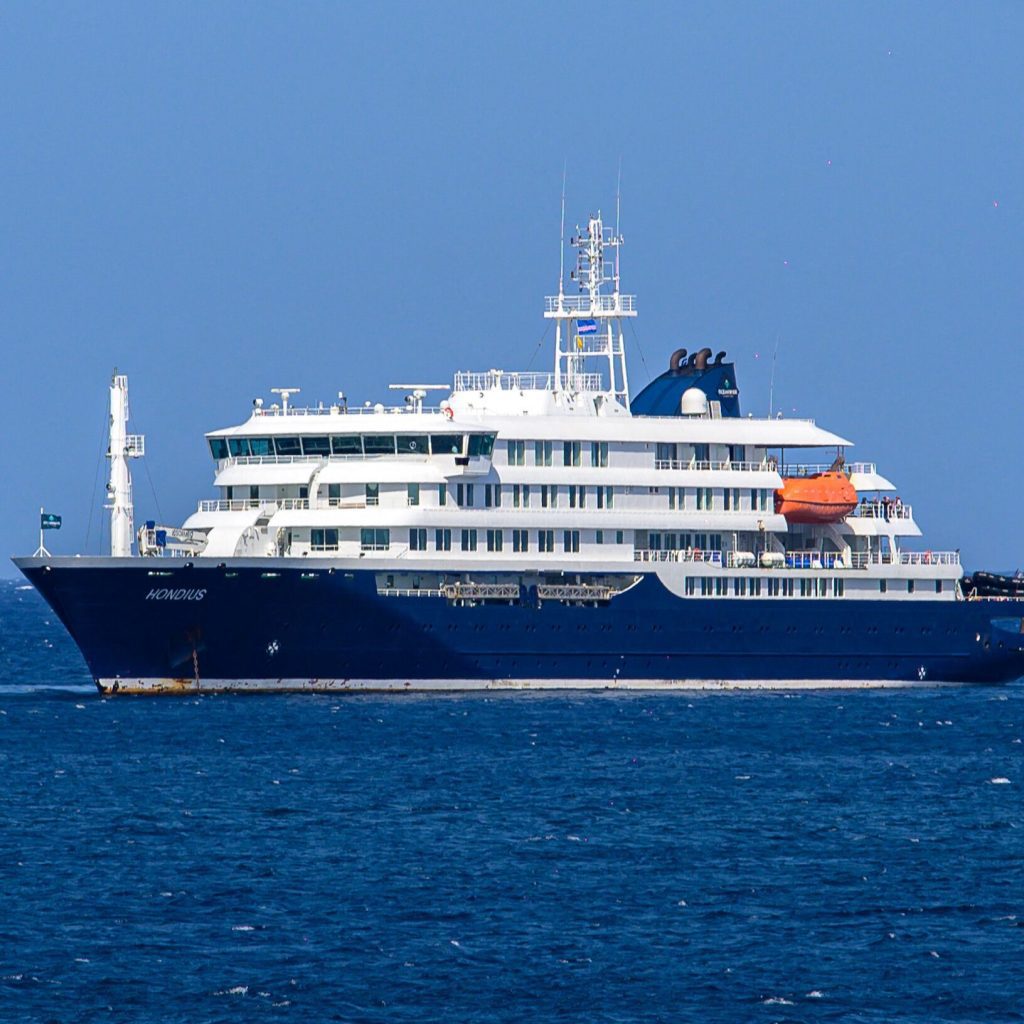
what hantavirus atlantic cruise:
Health authorities are investigating a suspected hantavirus outbreak linked to an Atlantic cruise ship after three passengers died and several others became ill or tested positive for the rare virus. Officials say the risk to the wider public remains low, but the incident has raised concerns about onboard sanitation, rodent exposure, and infectious disease preparedness in the cruise industry.
The outbreak has triggered an international public health response as experts work to trace the source of exposure, monitor passengers, and prevent further spread.
Hantavirus Outbreak Under Investigation After Cruise Ship Journey
Health officials are closely monitoring a potential hantavirus outbreak connected to an Atlantic cruise voyage after multiple passengers reportedly fell ill, with at least three deaths now under investigation. Several additional travelers have either tested positive or are undergoing medical observation, prompting authorities to intensify containment and contact-tracing measures.
The rare virus, which is typically linked to exposure to infected rodents or their droppings, has generated concern because outbreaks associated with cruise ships are extremely uncommon. While health experts have emphasized that hantavirus does not usually spread easily between humans, the concentration of cases connected to a single voyage has led to heightened scrutiny.
Authorities have not publicly disclosed all details regarding the ship’s route, passenger manifest, or exact locations where exposure may have occurred. However, investigators are examining whether infected rodents may have contaminated storage areas, food supplies, ventilation systems, or dockside facilities visited during the cruise.
Officials are also reviewing sanitation procedures aboard the vessel and interviewing passengers and crew members to determine whether symptoms emerged during the journey or after travelers returned home.
What Is Hantavirus?
Hantavirus is a family of viruses primarily carried by rodents. Humans can become infected through contact with rodent urine, saliva, droppings, or contaminated dust particles that become airborne and are inhaled.
The disease is considered rare but potentially deadly. In severe cases, it can lead to Hantavirus Pulmonary Syndrome (HPS), a serious respiratory illness that affects the lungs and cardiovascular system.
Early symptoms often resemble the flu and may include:
- Fever
- Fatigue
- Muscle aches
- Headaches
- Dizziness
- Nausea or vomiting
As the disease progresses, patients can experience severe breathing difficulties as fluid builds up in the lungs. The condition can rapidly become life-threatening if not treated promptly.
Medical experts note that hantavirus infections can sometimes be difficult to diagnose in the early stages because symptoms overlap with many common viral illnesses.
How the Cruise Ship Cases Emerged
The outbreak investigation reportedly began after passengers from the Atlantic cruise sought medical treatment in different regions shortly after disembarking. Health authorities later identified similarities among the cases, including respiratory complications and recent travel history aboard the same vessel.
Three individuals subsequently died, prompting infectious disease specialists to test for hantavirus and other potential pathogens. Preliminary findings linked multiple cases to hantavirus exposure, though officials continue to verify laboratory results and determine whether all illnesses are connected.
Passengers who traveled on the ship have been advised to monitor symptoms closely and seek medical attention if they experience fever, breathing difficulties, or unusual fatigue.
Some travelers have reportedly entered precautionary quarantine or undergone testing as public health agencies coordinate cross-border investigations.
Cruise operators are also cooperating with authorities by providing passenger records, onboard surveillance data, maintenance logs, and sanitation reports.
Why Authorities Are Trying to Calm Public Fears
Despite alarming headlines surrounding the deaths, health agencies stress that hantavirus outbreaks are generally limited and do not spread in the same way as highly contagious respiratory diseases like COVID-19 or influenza.
Experts emphasize several key points:
- Human-to-human transmission is extremely rare.
- Most infections occur through rodent exposure.
- Casual contact with infected individuals usually does not pose significant risk.
- Cruise passengers who were not exposed to contaminated environments are unlikely to become infected.
Public health officials fear misinformation could create unnecessary panic, particularly because cruise ships have remained under intense scrutiny since the global pandemic years.
Authorities say current evidence suggests the outbreak is isolated rather than indicative of a broader public health emergency.
Nevertheless, investigators are taking the situation seriously due to the high mortality rate associated with severe hantavirus infections.
Cruise Industry Faces Renewed Health Safety Questions
The incident has reignited debate over infectious disease management aboard cruise ships, which are often vulnerable to outbreaks because of close living quarters and shared facilities.
Although cruise operators have significantly upgraded sanitation and health monitoring systems in recent years, experts say rare environmental pathogens remain difficult to anticipate.
Questions now being examined include:
- Whether rodent infestations existed onboard
- If contaminated cargo or food supplies were loaded onto the vessel
- Whether dock facilities contributed to exposure
- How quickly symptoms were recognized and reported
- Whether medical screening protocols were adequate
Industry analysts warn that even isolated outbreaks can damage public confidence in cruise travel, particularly when fatalities occur.
Some travelers are already demanding more transparency from cruise companies regarding onboard health incidents and environmental safety inspections.

Medical Experts Explain the Risks
Infectious disease specialists note that hantavirus infections remain relatively uncommon globally. Most cases are associated with rural environments, cabins, warehouses, barns, or locations where rodents are present.
The possibility of a cruise-related outbreak is unusual because ships generally maintain strict pest-control procedures. However, experts caution that rodents can occasionally enter through cargo shipments, port facilities, or food storage systems if controls fail.
Doctors say early medical intervention is critical because severe hantavirus cases can deteriorate rapidly.
There is currently no specific antiviral cure for hantavirus infection. Treatment usually focuses on supportive care, including oxygen therapy, respiratory assistance, and intensive care monitoring.
Health professionals advise individuals who recently traveled on the affected cruise to seek medical evaluation immediately if symptoms develop.
International Coordination Underway
Because cruise passengers often come from multiple countries, the investigation has become an international coordination effort involving public health agencies, laboratories, and maritime authorities.
Officials are working to:
- Identify all potentially exposed passengers
- Conduct laboratory testing
- Trace travel routes after disembarkation
- Monitor secondary illnesses
- Inspect the vessel thoroughly
- Assess environmental contamination risks
The ship may also undergo deep sanitation procedures before future voyages are permitted.
Authorities have not yet announced whether additional cases are expected, but surveillance efforts are continuing.
Public Reaction and Passenger Concerns
News of the outbreak has spread rapidly online, with many social media users expressing concern about cruise safety and questioning how exposure may have occurred.
Some passengers reportedly described hearing little information during the voyage itself, while others praised onboard medical staff for responding quickly once illnesses became apparent.
Families of affected travelers are demanding answers regarding potential warning signs and whether earlier intervention could have prevented deaths.
Meanwhile, travel experts are urging calm and cautioning against speculation until investigators release confirmed findings.
Understanding the Broader Context
While the outbreak has attracted global attention, health experts stress that hantavirus remains a rare disease compared with other infectious threats. Outbreaks involving multiple linked cases are uncommon, especially in maritime settings.
Still, the incident highlights how global travel can complicate disease surveillance and accelerate international health responses.
Public health specialists say the event serves as a reminder that environmental pathogens remain a persistent risk even in highly regulated travel industries.
The investigation’s final findings could influence future cruise ship safety regulations, pest-control standards, and onboard infectious disease monitoring protocols.
AI Insight
The Atlantic cruise ship hantavirus scare illustrates how quickly rare diseases can trigger global concern in an interconnected travel environment. Even though hantavirus is not easily transmitted between humans, the deaths associated with a shared voyage have intensified scrutiny on cruise industry health safeguards. The incident also reflects a broader post-pandemic reality: travelers, regulators, and governments are now far more sensitive to outbreak risks, especially in confined international settings like cruise ships. As investigations continue, the case may become an important benchmark for how modern public health systems respond to rare but high-fatality infectious threats linked to global tourism.