 87-Year-Old Evicted From Her Home Tells Spaniards to ‘Fight’ to Avoid Same Fate
  Trump presents bronze bald eagle to Xi at White House ceremony.
  Top Saudi Cleric Calls Fight Against Houthis a Religious Duty
  Andhra to sell super-fine rice at ₹50 a kg, onions at ₹35, and pay MSP to move farmers off paddy
  OpenAI agents hack Australian Health website.
 Nepal Election 2026 Results: Rapper-Turned-Politician Balen Shah Leads RSP to Landslide Victory, Reshaping Nepal’s Political Landscape
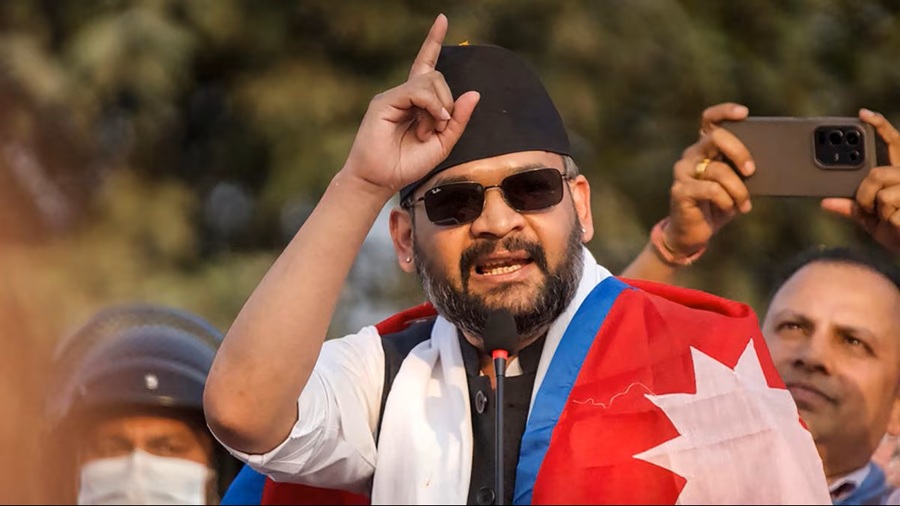
Nepal Election 2026 Results Highlights: Balen Shah’s RSP Sweeps Polls
In a dramatic political shift in Nepal, rapper-turned-politician Balen Shah has led the Rastriya Swatantra Party (RSP) to a sweeping victory in the 2026 national elections. The results mark a major transformation in Nepal’s political landscape, as voters overwhelmingly backed the anti-establishment party promising governance reforms, anti-corruption measures, and a new political culture.
The landslide victory has not only strengthened Balen Shah’s national influence but also signaled widespread public frustration with traditional political parties that have dominated Nepal’s politics for decades.
From Rapper to Political Powerhouse
Balen Shah, popularly known simply as “Balen,” first gained national recognition as a hip-hop artist and social commentator before entering politics. His music often addressed issues such as corruption, inequality, and governance failures in Nepal.
His political career took off when he won the 2022 mayoral election in Kathmandu, defeating candidates backed by established political parties. His victory at that time was widely viewed as a turning point that demonstrated the power of independent candidates and youth-driven campaigns in the country.
The success of that mayoral term significantly boosted his credibility, helping him transform his political movement into a nationwide force through the Rastriya Swatantra Party.
Landslide Victory for Rastriya Swatantra Party
Preliminary results show the Rastriya Swatantra Party making massive gains across multiple constituencies. The party reportedly secured a clear lead over long-established political forces such as the Nepali Congress and the Communist Party of Nepal (Unified Marxist–Leninist).
Political analysts say the election outcome reflects a generational shift in Nepal’s politics, with younger voters rallying behind leaders who promise transparency, efficiency, and accountability.
Key factors behind the party’s success include:
- Strong youth engagement through social media campaigns
- A focus on anti-corruption and governance reforms
- Frustration among voters with traditional political elites
- A message centered on national development and modernization
Youth Wave Drives the Election Outcome
One of the most significant aspects of the election was the strong participation of young voters. Many young Nepalis viewed Balen Shah as a symbol of change and innovation in politics.
Campaign rallies organized by the RSP attracted thousands of young supporters who saw the party as an alternative to Nepal’s established political system. Online platforms such as video streaming, music releases, and digital messaging were heavily used to reach voters.
This digital-first campaign strategy helped the party connect with urban youth, students, and first-time voters.
Political Shock for Traditional Parties
The landslide victory has come as a major setback for Nepal’s traditional political parties. The Nepali Congress and the Communist Party of Nepal (UML) have long been dominant forces in the country’s politics, alternating in power for years.
However, voter frustration over political instability, corruption scandals, and slow economic progress has gradually eroded their support.
Experts say the 2026 election result could mark the beginning of a new era in Nepali politics, with reform-oriented parties gaining more influence.
Key Issues That Shaped the Election
Several critical issues played a decisive role in the election outcome:
1. Corruption and Governance
Public anger over corruption allegations and ineffective governance was one of the central themes of the election campaign.
2. Economic Opportunities
Many voters, particularly youth, demanded more employment opportunities and better economic policies to address rising unemployment.
3. Urban Development
Infrastructure improvements, urban planning, and environmental sustainability were major concerns, especially in rapidly growing cities like Kathmandu.
4. Political Stability
Frequent changes in government have historically plagued Nepal, and voters are increasingly demanding stable leadership.
What This Means for Nepal’s Future
The RSP’s victory could bring major policy shifts in Nepal’s governance and political culture. Analysts believe the party may prioritize:
- Administrative transparency
- Digital governance reforms
- Anti-corruption investigations
- Infrastructure and urban development projects
- Youth-focused economic policies
If implemented effectively, these initiatives could reshape how government institutions operate in Nepal.
Regional and Global Attention
The election results are also drawing attention from neighboring countries such as India and China, both of which have strong economic and strategic interests in Nepal.
Political stability in Nepal is considered important for regional trade, infrastructure projects, and cross-border cooperation.
International observers are closely watching how the new political leadership will handle foreign relations while implementing domestic reforms.
Challenges Ahead for Balen Shah
Despite the landslide victory, Balen Shah and the Rastriya Swatantra Party will face significant challenges.
Running a national government requires balancing competing political interests, managing bureaucratic systems, and addressing complex economic problems.
Some of the immediate challenges include:
- Maintaining political unity within the party
- Delivering on anti-corruption promises
- Strengthening Nepal’s fragile economy
- Managing international diplomatic relations
How effectively the new leadership handles these challenges will determine whether the election result truly leads to long-term change.
A New Chapter in Nepali Politics
The 2026 election result has clearly demonstrated that Nepali voters are ready for political transformation. The rise of Balen Shah from rapper to national political leader represents a unique moment in the country’s democratic journey.
For many supporters, the landslide victory of the Rastriya Swatantra Party symbolizes hope for a more transparent, efficient, and accountable government.
Whether this new political wave can deliver lasting reforms remains to be seen, but one thing is certain: Nepal’s political landscape has entered a new and unpredictable phase.